Superbike8.co.uk – The ultimate bike search engine and price comparison site

Superbike8.co.uk – The ultimate bike search engine and price comparison site
Road Cycling Shoes
Showing 1–12 of 27 results
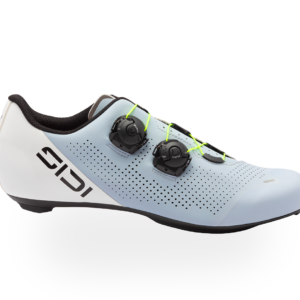
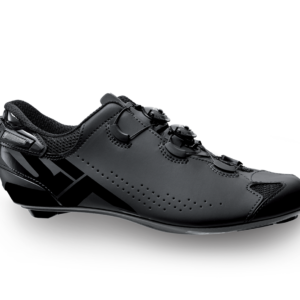
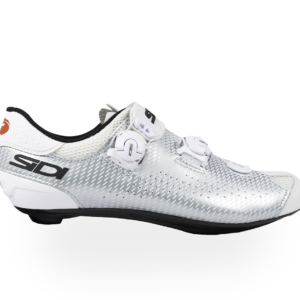
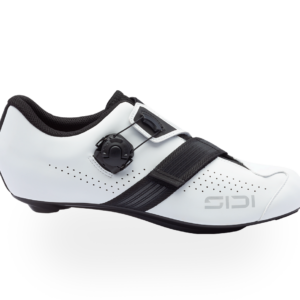
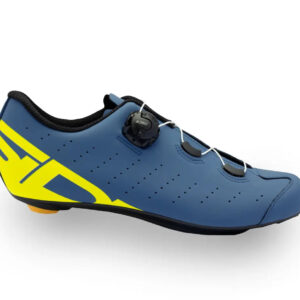
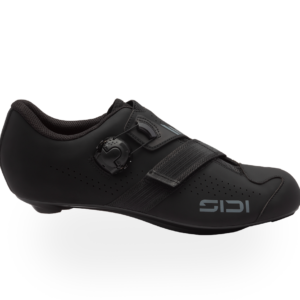
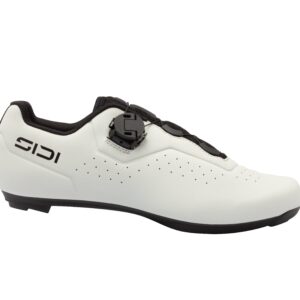
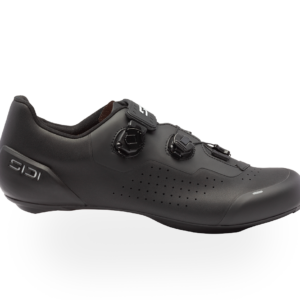
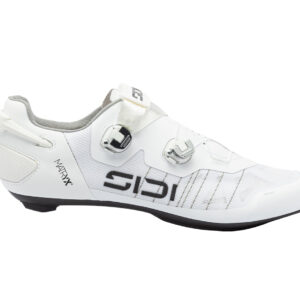
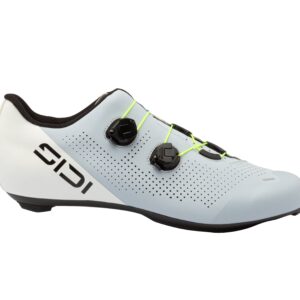
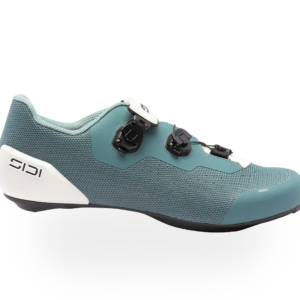
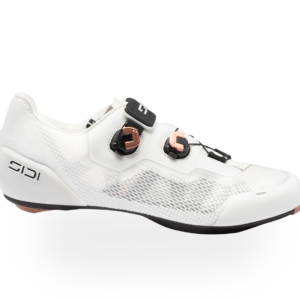
Road cycling shoes are designed to hold your feet securely on the pedals and provide a stable platform for road riding, training and sportives. Compared with many everyday or off-road cycling shoes, they often have a stiffer sole and a projecting cleat that connects to a compatible road pedal. The right choice depends first on fit and pedal compatibility, then on how much stiffness, ventilation and adjustability you need.
Not every shoe described as a road shoe uses the same cleat arrangement. Many models have a three-bolt road fitting, while some accept a two-bolt recessed cleat or combine fittings. A shoe must match your pedal system: check the number and layout of the mounting holes, as well as the cleat supplied or required, before comparing prices. A similar-looking shoe may not fit your existing pedals.
On SuperBike8 you can compare road cycling shoes and retailer offers, then continue to the retailer offering the option you choose. Sizes, colours and model-year variants may be priced differently, and delivery costs can affect the total. Ordering, payment, delivery, returns, warranty and customer service are handled directly by the respective retailer. If you are also considering other cycling footwear, see Cycling Shoes or browse Cycling Clothing.
What to look for in road cycling shoes
A good road shoe should hold your heel and midfoot securely without squeezing your toes or creating pressure points. A stiff sole can feel supportive when pedalling hard, but stiffness alone does not guarantee comfort, a better fit or faster riding. If the shoe shape does not suit your foot, a premium closure or sole material will not solve the problem.
Think about where and how you ride. A lightweight, well-ventilated shoe may suit summer training and road races, while a more covered upper or room for overshoes can be useful for wet, cool commutes and winter miles. If you regularly stop and walk, consider how the exposed cleat affects grip and wear. Road cleats can protrude from the sole, so they are generally less convenient for walking than recessed cleats.
Cleat fittings and pedal compatibility
Check your pedals before choosing shoes. The key detail is the fitting on the sole, not simply whether the shoe is labelled for road use. Three-bolt fittings are commonly associated with road pedal systems and broad, projecting cleats. Two-bolt fittings are commonly used for recessed cleats, which are often easier to walk in. Some shoes have more than one mounting arrangement, but that does not mean every cleat fits every shoe.
| Fitting or feature | What it means when choosing | Check before comparing |
|---|---|---|
| Three-bolt road fitting | Usually intended for a projecting road cleat and a compatible road pedal. The cleat can make walking less natural. | Confirm that the shoe fitting matches your pedal and cleat system. |
| Two-bolt fitting | Designed for a two-bolt cleat, often recessed into the sole. This can be more practical if you need to walk during a ride. | Check the exact cleat and pedal compatibility; a two-bolt shoe is not automatically compatible with a three-bolt road pedal. |
| Multiple mounting holes | May allow different cleat positions or fitting options, depending on the shoe design. | Read the product specification and check which cleat types the manufacturer says the shoe accepts. |
Cleat position affects how your foot sits on the pedal and can influence comfort, so do not assume the default mounting position will suit everyone. If you are new to clipless pedals, ask a knowledgeable bike shop for help setting up the cleats. Make small adjustments rather than making a large change to your position at once, and stop riding if you develop persistent pain or numbness.
Fit, sizing and width
Fit is the most important part of choosing road cycling shoes. Your heel should feel held in place, while your toes need room to move slightly rather than being compressed against the front or sides. The shoe should feel secure when you tighten it, but fastening it more firmly should not be necessary to stop your foot sliding around.
Sizes vary between manufacturers and sometimes between different shoe designs from the same manufacturer. Do not assume that your everyday shoe size will translate directly to a cycling shoe, or that the same marked size will fit identically across brands. Use the manufacturer's size chart for the specific model and follow its measurement instructions. If the chart uses foot length, measure both feet while standing and use the larger measurement as your starting point. Check whether the manufacturer offers different width options if you have particularly narrow or wide feet.
Try shoes with the type of cycling socks you expect to wear. Feet can swell during a longer ride, and a shoe that feels just comfortable indoors may become restrictive after hours in the saddle. At the same time, excess room can allow the foot to move and cause rubbing. Look at the heel hold, toe space and pressure across the forefoot together; choosing a larger size to fix one tight spot may leave the heel loose.
Closures let you adjust how the shoe holds your foot. Dial closures can make small adjustments convenient, while straps are simple and often easy to operate. Ratchet-style fastenings may provide a secure hold on some designs. The arrangement and adjustment range matter more than the closure label: a system should hold the foot evenly and avoid creating a concentrated pressure point. If you need to ease the fit during a ride, consider whether the closure is easy to adjust while wearing gloves.
Sole stiffness and construction
Road shoe soles are commonly made from nylon-based composites, carbon fibre or combinations of materials. A stiffer sole may feel more supportive during hard efforts, but it can also make walking less comfortable and may feel unforgiving if the fit or foot support is wrong. A more flexible sole can be comfortable for moderate riding and occasional walking, although it may not feel as direct under strong pedalling efforts. These are general tendencies: construction varies, so compare the shoe's intended use and design rather than relying on a material name alone.
Carbon fibre is often chosen to reduce weight and create a stiff sole, but a carbon sole is not automatically the right choice for every rider. It may cost more, and the whole shoe's comfort still depends on its shape, support and fit. Composite soles can offer a practical balance for regular riding without prioritising the lowest possible weight. Avoid paying extra for a sole characteristic you are unlikely to notice or value in your usual riding.
Look at the sole as a complete design. Ventilation openings can help release heat in warm conditions, but can also let in water and cold air in poor weather. Some designs use covers or more enclosed construction to reduce exposure. If you ride through a British winter, shoes alone may not provide enough insulation: allow for suitable socks and overshoes, and check that the combination does not make the fit too tight.
Upper materials, ventilation and weather
The upper holds your foot in place and affects ventilation, flexibility and protection from the elements. Synthetic materials are common and can be relatively straightforward to wipe clean. Mesh panels can improve airflow in warm weather but may offer less protection from rain and cold. More covered or weather-resistant designs can be useful for cooler rides, though they may feel warmer when temperatures rise. Consider the conditions you ride in most often rather than choosing solely by appearance.
No road shoe should be assumed to be fully waterproof unless the product information clearly says so. Water can enter through openings around the sole, tongue or fastening, and persistent rain can overwhelm many uppers. For wet-weather riding, check how the shoe works with overshoes and whether there is enough room for them without restricting your toes. After a wet ride, remove insoles if possible and let the shoes dry naturally in a ventilated place. Direct heat can damage materials or affect the shape.
Colour and finish can also influence which variant you choose, but they should not take priority over fit and compatibility. Retailers may discount particular colours or sizes differently. When comparing an offer, confirm that the selected colour and size match the product information, rather than comparing a price for a different variant.
Choosing shoes for your riding
| Riding pattern | Features to prioritise | Possible compromise |
|---|---|---|
| Road racing or hard training | Secure heel hold, a supportive fit and a sole stiffness that feels suitable for sustained efforts. | A very stiff or race-focused design may be less comfortable for walking and may not suit every foot shape. |
| Sportives and long road rides | All-day comfort, adaptable closure adjustment and enough toe room as feet warm up or swell. | A close fit that feels fast in a short test may become uncomfortable over a longer ride. |
| Commuting or rides with frequent stops | Practical walking comfort, secure fastening and a cleat arrangement that suits the pedals you use. | A projecting road cleat can be awkward on hard floors and may wear more quickly if you walk on it often. |
| Warm-weather riding | Breathable panels and a fit that does not become restrictive as your feet warm up. | More ventilation can mean less protection from cold air, spray and rain. |
How to compare road cycling shoes on SuperBike8
Compare like for like: check the model name, size, colour, cleat fitting and any stated construction differences. Similar-looking versions can have different soles, closures or upper materials, and model names may carry over between product years even when details change. Previous-year colours or models can be less expensive and may still suit your needs, but check the specification rather than assuming that every version is identical.
Retailer offers can differ, and delivery costs may affect the total price. Check whether the offer is for the exact size and colour you want, and read the retailer's information about delivery, returns and exchanges before choosing. SuperBike8 helps you compare products and retailer offers; once you select an offer, you continue to that retailer. The retailer handles the transaction and any after-sales service.
Typical buying mistakes with road cycling shoes
- Choosing by everyday shoe size alone: sizing differs between manufacturers, so check the size chart for the exact model and account for foot width and toe room.
- Buying before checking the pedals: a shoe's cleat fitting must match the cleat and pedal system you intend to use.
- Assuming the stiffest sole is always best: comfort, fit and riding style matter more than stiffness in isolation.
- Ignoring walking needs: a projecting cleat can be inconvenient if your ride includes regular stops or time on foot.
- Over-tightening to stop movement: if the shoe needs excessive tension to hold your foot, its shape or size may not suit you.
- Forgetting seasonal socks and overshoes: extra layers take up room and can make a close-fitting shoe uncomfortable.
- Comparing different variants: check size, colour, model year, sole and closure before treating two offers as equivalent.
Three typical buying decisions for Road Cycling Shoes
1. A close-fitting shoe for fast road rides
If you mainly ride on the road and value a secure feel during harder efforts, start with a shoe that fits your foot shape and pedal system, then compare sole stiffness and closure adjustment. Do not choose a smaller size simply to make the shoe feel more race-oriented: cramped toes or pressure across the forefoot can undermine comfort on longer rides.
2. Comfort for long sportives and training rides
For longer days in the saddle, prioritise even pressure, heel hold and room for your toes, including when your feet warm up. A closure that is easy to adjust can be useful if you need to fine-tune tension on the move. Choose the sole and upper for your normal conditions rather than paying extra for features that do not support your riding.
3. One pair for road riding and frequent stops
If you often walk during a ride, compare the cleat arrangement and sole design carefully. A recessed two-bolt option can be more practical for walking, but only if it is compatible with your pedals. If you already use a road pedal system, confirm the shoe accepts its cleat before deciding whether the walking trade-off is worthwhile.
Your checklist before you order
- Confirm the shoe fitting is compatible with your cleats and pedals.
- Check whether the cleats are included or need to be obtained separately.
- Use the manufacturer's size chart for the exact shoe model.
- Consider foot width, toe room and heel hold, not just the size label.
- Allow for the socks you will wear on rides.
- Consider whether your feet swell on longer rides.
- Choose a sole stiffness suited to your riding and comfort preferences.
- Check the closure type and whether it provides even, adjustable pressure.
- Match ventilation and upper coverage to your usual riding weather.
- Allow room for overshoes or thicker socks if you ride through winter.
- Check how much walking you expect to do and whether the cleat is exposed.
- Compare the same size, colour, model year and specification across offers.
- Read the retailer's delivery and returns information, including any fit-related conditions.
- Include delivery costs when comparing the overall offer.
Frequently asked questions about Road Cycling Shoes
Can I use road cycling shoes with any pedals?
No. The shoe must accept the cleat used by your pedals. Check the sole's mounting pattern and the pedal or cleat manufacturer's compatibility information before choosing.
Should road cycling shoes feel tight?
They should hold your heel and midfoot securely without squeezing your toes or causing pressure points. Your toes should have some room to move, especially for longer rides when feet can warm up and swell.
Are carbon-soled road shoes worth choosing?
A carbon sole may appeal if you value a stiff, lightweight design, but it is not essential for every rider. Fit, comfort and the shoe's intended use should come first; compare the whole specification rather than choosing by sole material alone.
Can I walk comfortably in road cycling shoes?
It depends on the cleat and sole design. Projecting road cleats can make walking less natural and may wear when used on hard surfaces. If walking is important, check whether a shoe designed for a recessed cleat suits your pedal system.
How should I choose the right size?
Use the manufacturer's size chart for the specific model, since sizing differs between brands and designs. Check foot length and width, allow for riding socks, and make sure there is toe room without the heel slipping.
Are road cycling shoes waterproof?
Do not assume they are waterproof unless the product information clearly states this. Ventilation openings and gaps around the upper can let in water. For wet or cold rides, check the shoe's weather protection and whether it has room for suitable overshoes.
What should I compare when looking at retailer offers?
Check that each offer is for the same model, size, colour and specification, including cleat fitting and sole construction. Delivery costs can affect the total. On SuperBike8 you compare products and retailer offers; ordering and after-sales arrangements are handled by the retailer you choose.