Superbike8.co.uk – The ultimate bike search engine and price comparison site

Superbike8.co.uk – The ultimate bike search engine and price comparison site
Cycling Gloves
Showing all 2 results
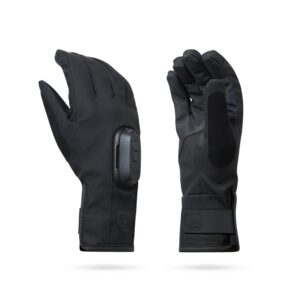
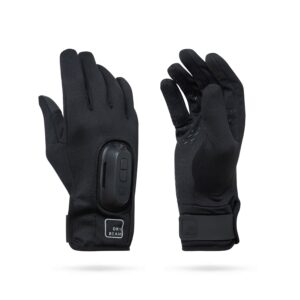
Cycling gloves can improve comfort and control, but the right pair depends on how and when you ride. Short-finger gloves are a common choice for road riding and mild conditions; full-finger designs provide more coverage for mountain biking, cooler days and changeable weather. Padding, palm material, grip and cuff shape also affect how a glove feels on the handlebar.
Think about the contact points and conditions that matter on your usual rides. If you regularly ride for several hours, palm padding and seam placement may influence comfort. For technical trails, a close-fitting full-finger glove with a grippy palm can help you maintain control without excess material bunching around the levers. In wet or cold weather, coverage and layering may matter more than padding.
On SuperBike8, you can compare cycling gloves and retailer offers by the features that matter to you. Check the precise product version, size and colour, as well as any delivery costs shown by the retailer. Once you choose an offer, you continue to the retailer; ordering, payment, delivery, returns, warranty and customer service are handled directly by that retailer. You can also explore the wider cycling clothing category.
Choosing the right type of cycling gloves
Start with finger coverage and the riding conditions you expect. Glove labels such as summer, winter or all-weather can be useful clues, but construction and fit vary between manufacturers. Check the product description for details such as insulation, water resistance, palm padding and closure rather than relying on a season name alone.
| Type | Often suits | What to check |
|---|---|---|
| Short-finger gloves | Road rides, warm conditions and riders who prefer uncovered fingers | Palm padding, finger-loop design, seams and whether the glove stays put when you grip the bars |
| Full-finger gloves | Mountain biking, cooler rides and situations where extra finger coverage is useful | Finger length, grip on the palm and fingertips, cuff fit and any touchscreen-compatible area |
| Insulated or weather-oriented gloves | Cold, windy or damp rides, depending on the construction | Warmth, bulk, breathability, water resistance and whether you can still operate the brakes and gears easily |
| Lightweight full-finger gloves | Trail riding or mild conditions where coverage and dexterity are priorities | How securely the palm grips, whether the material is breathable and how the fingers fit around the controls |
These are broad descriptions, not fixed categories. A lightly insulated glove may suit a cool, dry ride but provide little protection from prolonged rain. A thick glove can feel warm when you are off the bike yet make small controls harder to operate. Match the glove to the conditions you actually encounter and the level of dexterity you need.
Padding, palm shape and handlebar comfort
Palm padding is intended to cushion the contact between your hand and the handlebar. Some gloves use shaped foam or gel sections; others have relatively little padding to keep the palm close to the bar. More padding is not automatically more comfortable. If it bunches under your hand or changes how you hold the bar, it can create pressure points rather than relieve them.
Your position and the rest of your bike setup matter too. The amount of weight on your hands, handlebar shape, bar tape or grips, and riding posture all influence comfort. If you experience persistent numbness or pain, changing gloves alone may not solve the cause. Consider your riding position and contact points, and seek qualified advice if symptoms continue.
- For longer road rides: Look for padding that sits in the right places when your hands rest on the tops, hoods or drops. A smooth palm and well-placed seams can matter as much as thickness.
- For mountain biking: A thinner palm can help preserve feel and dexterity, while grippy material and secure full-finger coverage can be useful on rougher terrain.
- For commuting: Prioritise a comfortable grip and practical coverage for the conditions you ride in. Padding needs depend on your bars, route and time in the saddle.
- For riders who prefer direct contact: A minimally padded glove may feel less bulky, but it will not suit everyone or every handlebar setup.
Check whether the palm padding is positioned for your normal hand position. A glove can look well padded when laid flat but feel different once you grip the bars. If trying gloves on in person, close your hand around a similar grip and check for folds, tight spots or material pulling across the palm.
Fit and sizing: what to check
A cycling glove should feel secure without restricting circulation or finger movement. Sizes differ between manufacturers, so do not assume that the same letter or number will fit identically across brands. Use the manufacturer’s own size guide and follow its measuring instructions. Guides may use hand circumference, hand length or both, and the method can differ.
When checking fit, make a relaxed fist and then hold an imaginary handlebar grip. The palm should not pull tight, the fingers should not be forced against the ends, and excess fabric should not fold at the joints. A short-finger glove should sit comfortably at the finger openings; a full-finger glove should give your fingers room to bend without loose tips interfering with controls.
Pay attention to the wrist and cuff as well. A cuff that is too tight can feel restrictive, while a loose one may move around or leave a gap beneath a jacket sleeve. If you intend to wear gloves with a waterproof or insulated jacket, consider how their cuffs overlap. Some riders prefer the jacket sleeve to cover the glove cuff; others prefer the glove over the sleeve. Check the clothing design and your preferred arrangement rather than assuming every combination works the same way.
Do not choose a smaller size simply because the material feels flexible. Stretch fabrics can adapt to the hand, but a glove that is too tight may limit movement or feel uncomfortable on a longer ride. Equally, an oversized glove can wrinkle, reduce control feel and catch on levers. If your measurements fall between sizes, consult the manufacturer’s guidance and check the stated return terms with the retailer before ordering.
Materials, grip and weather protection
Gloves combine different materials across the palm, back of the hand, fingers and cuff. The palm needs to balance grip, feel and resistance to wear. The back of the glove often prioritises flexibility, ventilation, warmth or weather protection. Look at the construction as a whole: a feature on one panel does not necessarily mean the entire glove has the same properties.
- Grip surfaces: Textured or coated areas can help the palm stay in contact with the handlebar. Check whether grip material also appears on the fingertips if you expect to use brake levers or gear controls with your fingers covered.
- Breathable panels: Lightweight fabrics can help manage heat during harder efforts, but they may offer less protection from wind and rain than a more substantial construction.
- Wind-resistant or insulated sections: These can be useful in colder conditions, although extra material may reduce ventilation and dexterity.
- Water-resistant fabrics: Water resistance can help in light or intermittent rain, but it is not the same as guaranteed waterproofing. Check the product description and care guidance for the specific glove.
- Reinforced areas: Extra material in high-wear zones may improve durability, but can add bulk or change the way the palm bends.
There is no single glove that is ideal for every temperature and weather condition. A warm, insulated glove may be uncomfortable on a hard ride in mild weather, while a thin summer glove can leave fingers cold when conditions change. Riders who cycle throughout the year may prefer separate pairs for warm and cold conditions. For wet winter rides, consider how the glove works with your jacket cuffs and whether you can still control the bike confidently when the material is damp.
Touchscreen-compatible fingertips can be convenient, but performance depends on the device, screen protector and glove construction. Treat this as a practical extra rather than a substitute for stopping safely before using a phone. Likewise, reflective details can help make a rider more visible in some conditions, but they do not replace suitable lights and other visibility measures.
Care, wear and replacement
Follow the care label for each pair. Sweat, road grime and frequent use can affect the feel of fabrics and palm surfaces. Washing too hot, using an unsuitable detergent or exposing gloves to direct heat may damage materials, seams, coatings or elastic sections. If the gloves are machine washable, check whether the instructions require a gentle cycle or fastening closures first.
Allow gloves to dry fully between rides, away from intense heat. If they become wet during a ride, remove them carefully and let them air dry. Turning full-finger gloves inside out can help expose the interior, but do so gently to avoid stressing seams or fingers. Check the manufacturer’s instructions before using a tumble dryer or any specialist cleaning product.
Inspect the palm, seams and fingertips for worn-through areas, loose stitching or a loss of grip. Wear can reduce comfort and make the glove less secure on the bar. Replace a pair when it no longer fits properly, the grip surface has deteriorated or damage affects your ability to control the bike comfortably.
Comparing cycling gloves and retailer offers
When comparing offers on SuperBike8, make sure you are looking at the same glove version. A similar product name may cover different finger lengths, colours, insulation levels or revisions. Compare the stated features and size rather than relying on the product title alone. If a listing describes a pack or bundle, check what is included so you do not mistake it for a single pair or vice versa.
Retailer prices and delivery costs can differ, and colour or size variants may be priced differently. Check the full product details, selected size and colour, delivery information and retailer’s terms before choosing an offer. SuperBike8 is a price comparison site: after selecting an offer, you continue to the retailer, which handles the order and all related service.
Previous-year colourways may sometimes be offered at different prices. An older colour does not necessarily mean the glove is unsuitable, but product names can remain similar even when details change. Confirm the exact version and features, particularly if you are replacing a worn pair and want the same fit or construction.
Typical buying mistakes with cycling gloves
- Choosing by season label alone: “Winter” and “all-weather” can mean different constructions. Check insulation, wind protection, water resistance and intended conditions.
- Assuming more padding is always better: Thick padding can feel bulky or create pressure if it does not match your hand position and bar setup.
- Ignoring the manufacturer’s size guide: Glove sizing varies, and a familiar size in one brand may not fit the same in another.
- Buying a fit that is too loose: Excess fabric can fold in the palm, move around or interfere with your grip and controls.
- Overlooking finger length: Gloves that are too short or long can pull, bunch or make brake and gear operation less comfortable.
- Expecting water resistance to mean waterproof: Check the stated construction and care information rather than assuming a glove will keep hands dry in prolonged rain.
- Comparing different versions as if they were identical: Verify the size, colour, finger coverage and listed features for each retailer offer.
- Choosing warmth without considering dexterity: A bulky glove may keep hands warmer but make it harder to operate small controls.
- Forgetting cuff compatibility: Try to picture how the glove will overlap with your jacket sleeve in the conditions you ride in.
Three typical buying decisions for Cycling Gloves
1. A close-fitting pair for road rides in mild weather
Choose short-finger gloves if you prefer uncovered fingers and want a light layer between your palms and the bars. Focus on secure fit, comfortable padding in your usual hand positions and smooth seams. Avoid choosing extra padding just because it looks substantial; the best amount depends on your handlebars, riding position and personal comfort.
2. Full-finger gloves for trails and variable conditions
Look for a snug full-finger fit that allows your fingers to bend naturally and gives you a dependable feel on the grips and controls. For trail riding, grip and dexterity may matter more than heavy padding. Check that the fingertips do not bunch and that the palm material suits your handlebars and riding style.
3. A warmer pair for colder, wetter rides
Compare the glove’s insulation and weather-oriented construction with the conditions you typically ride in. Consider whether the extra bulk will affect braking and gear changes, and check how the cuff works with your jacket. If you ride in both warm and cold weather, separate pairs may be more comfortable than trying to use one heavily insulated glove year-round.
Your checklist before you order
- Choose short-finger or full-finger coverage to suit your riding and conditions.
- Check the manufacturer’s size guide and measure your hand as instructed.
- Consider finger length, palm fit and cuff comfort, not just the size label.
- Decide how much padding you want and whether it suits your usual hand positions.
- Check palm grip and material against your handlebars and riding style.
- For cold-weather use, assess insulation without overlooking dexterity.
- For wet-weather use, confirm what the product description says about water resistance.
- Check whether the fingertips are compatible with touchscreen use if that feature matters to you.
- Consider how the glove cuff will sit with your cycling jacket sleeves.
- Compare the exact product version, colour and size across retailer offers.
- Check whether the listing is for a pair or a set, and what is included.
- Review the retailer’s delivery information, returns terms and product details before choosing an offer.
- Read the care instructions so you know how to wash and dry the gloves.
Frequently asked questions about Cycling Gloves
Are short-finger or full-finger cycling gloves better?
Neither is best for every rider. Short-finger gloves suit riders who prefer uncovered fingers and often work well in mild conditions. Full-finger gloves provide more coverage and can suit trail riding or cooler weather. Choose according to your conditions, comfort and need for dexterity.
How should cycling gloves fit?
They should feel secure without restricting movement or circulation. Your fingers should bend comfortably, the palm should not pull tight around the bars, and excess material should not bunch. Use the manufacturer’s size guide because sizing differs between brands.
Do padded cycling gloves prevent numb hands?
Padding can change pressure and comfort at the handlebar, but it does not guarantee that numbness will be prevented. Fit, hand position, bike setup and the placement of padding all matter. If numbness persists, consider the wider setup and seek qualified advice where appropriate.
Are cycling gloves waterproof?
Some gloves are designed with water-resistant or weather-oriented materials, but that does not mean every pair is waterproof in prolonged rain. Check the specific product description and care instructions, and consider cuff coverage and dexterity when choosing gloves for wet rides.
Can I use cycling gloves with a touchscreen?
Some gloves have touchscreen-compatible fingertips, but performance can vary with the device and screen. Check the product details if this feature matters to you. For safe riding, stop in a suitable place before using a phone.
How should I wash cycling gloves?
Follow the care label for the specific pair. Washing and drying instructions vary with the materials and construction. Avoid assuming that gloves can be tumble-dried or treated with specialist products unless the manufacturer says so.
Can I compare different colours or previous-year cycling gloves?
Yes. Retailer offers can differ by colour and product version, so compare the exact features, size and colour rather than relying on a similar name. Previous-year colourways may be priced differently, but check the listed details to confirm what is being offered.