Superbike8.co.uk – The ultimate bike search engine and price comparison site

Superbike8.co.uk – The ultimate bike search engine and price comparison site
Youth Bikes

Youth bikes are designed for young riders who have outgrown a first children's bike but are not yet best served by an adult-sized model. Read more
Showing all 2 results
-
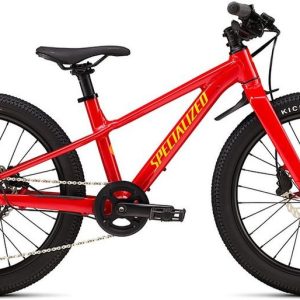 Specialized
 Riprock 20 – 20″ – Diamond – 2026
View DetailsDiamond · 20" · 8-speed · 9.6 kg499,00 £ -
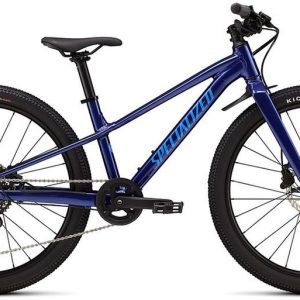 Specialized
 Riprock 24 INT – 24″ – Diamond – 2026
View DetailsDiamond · 24" · 9-speed549,00 £
The right choice depends on more than a child's age or the number printed on a wheel: height, leg length, reach to the handlebars, confidence and where the bike will be ridden all affect fit and control. A bike that is too large can be difficult to steer or stop safely, while one that is too small may soon feel cramped.
There is no single specification for every youth bike. Some are set up for everyday journeys and paths, while others have a more sport-focused design, wider tyres or a broader gear range. Wheel size, frame shape, braking controls and overall weight can make a noticeable difference to how manageable a bike feels. On SuperBike8 you can compare available youth bikes and retailer offers; once you choose an offer, you continue to the retailer. Ordering, payment, delivery, returns, warranty and customer service are handled by that retailer.
The comparison currently includes a limited number of products, so check the exact model, size and specification shown in each offer. When more than one listing is available, compare like with like: a different colour or frame size may have a different price, and similar model names do not always mean identical components. The guidance below can help you judge whether a bike is suitable before choosing a retailer offer.
What to look for in a youth bike
Start with the young rider and the journeys they will actually make. A bike used mainly for neighbourhood rides and everyday trips may benefit from a comfortable, confidence-inspiring position and practical tyres. A young rider who wants to cover longer distances or ride more actively may prefer a lighter-feeling setup, a wider gear range or a more forward riding position. If the routes include rough tracks or woodland paths, tyre grip and the bike's intended terrain matter more than having a large number of gears.
Think about where the bike will be stored and lifted, too. A lighter bike can be easier for a young rider to manoeuvre, carry up steps or handle when setting off. However, weight alone does not determine whether a bike is suitable: fit, control layout, reliable braking and the rider's confidence are just as important. Compare the whole specification rather than choosing by one headline feature.
| Decision point | What to check | Why it matters |
|---|---|---|
| Fit | Frame size, reach, saddle adjustment and clearance when standing over the bike | A manageable position helps the rider start, stop, steer and put a foot down with confidence. |
| Wheel size | The stated wheel size and how it relates to the complete bike's fit | Wheel size is a useful guide, but it does not replace checking frame dimensions and rider position. |
| Brakes | Brake type, lever reach and whether the rider can operate the levers comfortably | Controls that are easy to reach and use make it simpler to slow down predictably. |
| Gearing | The range of gears and how straightforward the controls are to operate | A suitable range helps with hills, while simple controls can be easier for a newer rider to learn. |
| Riding surface | Tyre width and tread, plus the bike's stated intended use | Tyres suited to the usual routes can balance grip, comfort and rolling ease. |
Wheel size, frame size and fit
Youth bikes commonly use wheel sizes such as 20", 24" and 26", but these are not universal size labels for a rider's age or height. Two bikes with the same wheel size can have different frame proportions, handlebar positions and saddle adjustment ranges. Treat a wheel size as a starting point for comparing models, not as proof that a bike will fit.
Use the manufacturer's size guidance for the exact model. Where measurements are provided, the rider's height and inside leg measurement can help narrow down the options. Reach also matters: it describes how far the rider has to extend to the handlebars. If the bars feel too far away, the rider may stretch their arms and struggle to control the bike; if the cockpit is too short, the position may feel cramped. Frame geometry differs between manufacturers, so a size designation from one brand cannot be assumed to match another.
When trying a bike in person, check that the rider can comfortably reach the handlebars and brake levers and can mount and dismount without awkwardness. With the saddle at a suitable height, they should be able to pedal smoothly and maintain control. The right amount of foot contact with the ground depends on the rider and setup; do not set the saddle excessively low just to make the rider flat-footed while seated, as that can make pedalling less comfortable. A retailer or bike shop can help check the setup.
Buying a larger bike so that a child can “grow into it” can backfire. Excessive reach, a high standover or a heavy-feeling frame may make the bike intimidating now, even if the saddle can be lowered. A small amount of adjustment range is useful, but the bike should be controllable at the time of purchase. Recheck saddle height and the fit as the rider grows.
Brakes, gears and controls
Young riders need to be able to operate the controls without shifting their grip or stretching uncomfortably. Check the brake lever reach and the effort needed to pull the levers. Component designs and adjustment options vary, so the specification alone cannot confirm that the controls will suit a particular rider. If possible, let the young rider try the bike and practise braking in a safe, open area before riding in traffic or on busy paths.
Gears can make hills and longer rides more manageable, but more gears are not automatically better. A wide range can help on routes with steep climbs, while a simpler setup may be easier for a rider who is still learning to change gear. Check how the gear controls work and whether the rider can reach them easily. Explain that changing gear while pedalling gently is generally smoother than shifting under heavy pedal pressure.
Braking systems and component specifications vary between youth bikes. Rather than assuming one system is best for every rider, consider the young person's hand strength, experience and likely riding conditions. Whatever the brake type, brakes need to be kept in good working order and checked regularly. If braking feels weak or uneven, have the bike inspected before further use.
Tyres and the routes you ride
Tyres influence comfort, grip and how easily a bike rolls. For smooth paths and roads, a less aggressive tread may roll readily. On loose paths or mixed surfaces, a more pronounced tread can offer useful grip, although it may feel slower on smooth tarmac. Wider tyres can add comfort and stability on rougher ground, but the frame and fork must be designed to provide suitable clearance.
Match the bike to the normal ride rather than an occasional outing. A bike intended mainly for paved routes does not need an off-road-style setup simply because it might sometimes be taken on a track. Conversely, narrow, smooth tyres may not be the best choice if the regular route includes uneven surfaces. Check the manufacturer's stated use and the exact tyre specification on the model listing.
Practical equipment may matter for everyday journeys. Depending on the model, mudguards, a kickstand or other accessories may be included, optional or absent. Do not assume that accessories shown in a retailer photograph come with the bike; check the product description and included-items list. If you plan to add mudguards or a rack, confirm that the frame has compatible mounts and enough clearance before buying separate parts.
Frame material, weight and durability
Aluminium is commonly used for bicycle frames because it can provide a relatively light, corrosion-resistant structure. Steel frames are also used and may feel different in weight and ride character. The result depends on the complete design, tubing, components and size, so material alone does not tell you how heavy or comfortable a particular bike will be. Compare the stated specification where available and consider whether the young rider can handle the bike confidently.
For a growing rider, durability also depends on correct use and regular care. Keep the chain clean and lubricated, check tyre pressure according to the tyre or manufacturer's guidance, and inspect brakes, tyres and fasteners periodically. After wet or muddy rides, cleaning and drying the bike can help limit wear and corrosion. Any adjustment that affects steering, wheels or braking should be carried out carefully; if you are unsure, ask a qualified bike shop to check it.
Choosing a youth bike for different types of riding
For school journeys and everyday use, prioritise a comfortable fit, predictable handling and components that are straightforward to maintain. If regular rides involve wet roads or paths, consider whether the bike can take mudguards and whether suitable lights and other required equipment are provided or need to be sourced separately.
For paths, parks and mixed surfaces, look at the tyres, riding position and the manufacturer's description of the bike's intended use. A youth rider keen on off-road trails may be better served by a model designed for that terrain than by a general-purpose bike with an unsuitable tyre setup. If comparing other riding styles, SuperBike8 also has categories for Mountain Bikes, City Bikes and Gravel Bikes; these are separate categories, so check the intended rider and fit rather than assuming an adult model is suitable for a young person.
For longer rides, pay attention to saddle comfort, hand position and gear range. A very aggressive position may not suit a rider who is still developing confidence or flexibility. Comfort is personal, and a short test ride can reveal problems that are hard to judge from a photograph. If the bike is bought online, check the retailer's product details and policies before selecting an offer.
Compare model versions and retailer offers
Before comparing prices, confirm that each listing is for the same model year, frame size, colour and component specification. Manufacturers can update a bike under a familiar model name, and specifications can differ between sizes or production years. A previous-year model or less popular colour may be discounted, but check the actual components and intended use rather than assuming it is identical to the current version.
Retailers can display different prices and availability for the same or similar bikes. Delivery costs can affect the total price, and a bike may arrive partially assembled. Check what assembly the retailer offers, what tools or adjustments may be needed, and whether the product listing clearly states the selected size and colour. SuperBike8 helps you compare products and retailer offers; it does not sell or dispatch bikes. Ordering, payment, delivery, returns, warranty and customer service are dealt with directly by the retailer you choose.
Typical buying mistakes with youth bikes
- Choosing by age alone instead of checking the manufacturer's sizing guidance and the rider's measurements.
- Buying a frame that is too large so the rider can grow into it, even though reach or standover makes it hard to control now.
- Assuming that the same wheel size means the same fit across different brands and models.
- Ignoring brake lever reach and whether the rider can operate the controls confidently.
- Paying for a large gear count without checking whether the range and controls suit the routes and the rider's experience.
- Choosing tyres for occasional terrain rather than the surfaces the bike will normally be used on.
- Assuming mudguards, lights, a kickstand or other pictured accessories are included without checking the listing.
- Comparing prices for different sizes, colours, model years or component specifications as if they were identical.
- Overlooking delivery costs, assembly requirements or the retailer's terms when comparing offers.
Three typical buying decisions for Youth Bikes
1. A first bike for everyday rides
Choose a model with a fit the young rider can manage immediately, accessible brake controls and a riding position that feels comfortable. Keep the gearing and equipment appropriate to the routes they use most. Check whether practical extras such as mudguards are included or can be fitted, rather than relying on product photographs.
2. A bike for mixed paths and regular hills
Prioritise tyres suited to the surfaces, a useful gear range and brakes the rider can operate reliably. A test ride can help establish whether the bike feels stable and whether the controls are within easy reach. Do not choose a more demanding off-road setup unless the young rider will genuinely use it.
3. A bike to keep as the rider grows
Look for a suitable adjustment range, but do not compromise present-day control for the hope of gaining extra years of use. Confirm the rider's fit against the manufacturer's size guidance, including reach and standover, and compare the available frame sizes. Reassess saddle height and fit as the rider grows.
Your checklist before you order
- Check the young rider's height and inside leg measurement against the manufacturer's guide for the exact model.
- Confirm the frame size and wheel size shown in the retailer offer.
- Consider reach, standover clearance and the rider's ability to mount, stop and steer comfortably.
- Check that the brake levers can be reached and operated confidently.
- Review the brake and gear specifications rather than relying on a headline feature.
- Match the tyres and intended use to the usual roads, paths or trails.
- Confirm the model year, colour and component specification.
- Check whether mudguards and other accessories are included or require separate purchase.
- Verify any compatibility requirements before adding accessories.
- Compare the total retailer offer, including any delivery costs.
- Check what assembly is required or offered by the retailer.
- Read the retailer's product information, terms and policies before choosing an offer.
- Plan to check the bike's brakes, tyres and fit before the first ride.
Frequently asked questions about Youth Bikes
How do I choose the right size youth bike?
Use the manufacturer's size chart for the exact model and consider the rider's height and inside leg measurement. Check reach, standover and whether the rider can comfortably use the brakes. Wheel size alone does not confirm fit, and sizing can differ between brands.
Should I buy a larger bike so my child can grow into it?
Avoid choosing a bike that is difficult to control now. A larger frame can create excessive reach or standover height, even when the saddle can be lowered. A suitable adjustment range is useful, but present fit and confidence should come first.
Are more gears better on a youth bike?
Not necessarily. A wider range can help on hilly routes, but simple controls may be easier for a newer rider. Choose gearing that suits the terrain and the rider's experience, and make sure the controls are easy to reach and operate.
What should I check when comparing youth bike prices?
Compare the same model, size, colour, model year and specification. Check delivery costs, included accessories and assembly details as well. Retailer offers and availability can differ, and the retailer handles ordering, payment, delivery, returns and service.
Can I use an adult bike for a young rider?
Only if the particular bike fits the rider and its controls and intended use are suitable. Adult sizing does not automatically suit a teenager, and an oversized frame can make handling difficult. Check the manufacturer's fit guidance and have the rider try the bike if possible.
Does SuperBike8 sell or deliver youth bikes?
No. SuperBike8 is a price comparison site where you can compare products and retailer offers. After choosing an offer, you continue to the retailer, which handles the order, payment, delivery, returns, warranty and customer service.