Superbike8.co.uk – The ultimate bike search engine and price comparison site

Superbike8.co.uk – The ultimate bike search engine and price comparison site
Endurance Road Bikes

Endurance road bikes are designed for long days on the road, where a comfortable, manageable position matters as much as efficient progress. They retain the drop handlebars, light feel and road-focused handling of a road bike, but their geometry is often less aggressive than that of a race-oriented model. Read more
Showing all 8 results
-
 Specialized
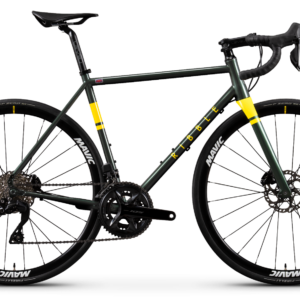
 Roubaix Sport – 28″ – Diamond – 2026
View DetailsDiamond · 28" · 24-speed · 9.0 kgPrice range: 2.779,00 £ through 3.299,00 £ -
-
-
-
 Specialized
 Roubaix Expert – 28″ – Diamond – 2026
View DetailsDiamond · 28" · 24-speedPrice range: 5.239,00 £ through 5.999,00 £ -
 Cube
Cube Agree C:62 SLT – 28″ – Diamond – 2026
View DetailsDiamond · 28" · 24-speed · 7.6 kg4.999,00 £ -
 Cube
Cube Agree C:62 Pro – 28″ – Diamond – 2026
View DetailsDiamond · 28" · 24-speed · 8.1 kgPrice range: 2.969,00 £ through 3.399,00 £ -
 Specialized
 Roubaix Comp Di2 – 28″ – Diamond – 2026
View DetailsDiamond · 28" · 24-speedPrice range: 3.589,00 £ through 4.299,00 £
That can make them appealing for sportives, club rides, training and everyday road use.
There is no single specification shared by every endurance bike. Frame material, riding position, gearing, brake type, tyre clearance and fittings all vary between models. Some lean towards fast road riding; others prioritise comfort, wider tyres or practical details for longer outings. Compare the complete specification rather than relying on the category name alone.
On SuperBike8, you can compare endurance road bikes and retailer offers before choosing where to continue. Consider the routes you ride, how far you typically travel and what position feels sustainable. Once you select an offer, you continue to the respective retailer; ordering, payment, delivery, returns, warranty and customer service are handled directly by that retailer.
What makes an endurance road bike different?
An endurance road bike is intended to balance road speed with comfort over longer distances. Compared with a race road bike, many models have geometry that places the rider in a less stretched or lower position. The practical effect depends on the frame’s stack and reach, handlebar setup and your own proportions, so the label alone cannot tell you whether a particular bike will fit.
Endurance designs may also offer clearance for wider tyres than a performance-focused road frame, although the permitted width varies by model and can depend on the wheel and tyre combination. Wider tyres can provide more comfort and grip on rough tarmac, but do not assume a tyre will fit just because another bike in the same category accepts it. Check the manufacturer’s stated clearance and any conditions for mudguards.
For a more aggressive, race-focused riding position, compare the options in Race Road Bikes. If your routes regularly include unpaved tracks or you want a bike intended for a broader mix of surfaces, consider All-Road Bikes or Gravel Bikes as well. These are useful points of comparison, not a guarantee that every bike in one category has the same capabilities.
| What to compare | Endurance-oriented choice | When another approach may suit better |
|---|---|---|
| Riding position | A position you can sustain for several hours, with a fit that does not force excessive reach or drop to the bars. | A lower, more stretched position may appeal if racing or fast group riding is the priority and it suits your flexibility and fit. |
| Tyres and clearance | Clearance for the tyre width you want to use on your usual road surfaces, with mudguard fit checked separately if needed. | For regular riding on loose or rough tracks, compare a bike designed for mixed surfaces and check its intended tyre range. |
| Gearing | A range that includes manageable low gears for hills and the cadence options you want on flatter roads. | A closer gear spread can suit flatter routes or riders who favour small cadence changes, but may offer less help on steep climbs. |
| Frame and equipment | Choose the balance of weight, ride feel, price and practical features that matches how often and where you ride. | Do not pay for a lighter or more advanced component specification if fit, gearing or everyday practicality is not right. |
Fit and geometry: the most important starting point
A well-fitting endurance bike should let you reach the brake levers confidently, steer without feeling cramped and maintain a comfortable position for the length of ride you have in mind. Endurance geometry may help some riders avoid an overly low posture, but it is not a substitute for choosing the correct frame size. Sizes and geometry differ between manufacturers, and even two bikes marked with the same size can feel different.
Use the manufacturer’s size chart for the exact model and check the measurements it asks for, which may include height and inside leg. If geometry charts are available, stack and reach can help you compare frame proportions: stack describes the frame’s front-end height relative to the bottom bracket, while reach describes its horizontal distance. These figures are useful for comparison but do not by themselves account for saddle position, stem length, handlebar shape or your riding preferences.
Do not choose a smaller frame simply because you want a sporty position, or a larger one because you want more comfort. Either can create handling or fit problems, and adjustments have limits. If you are between sizes, compare the model-specific geometry and seek a professional bike-fit opinion where possible. Check the retailer’s information about sizing and assembly before selecting an offer.
Frame material, comfort and weight
Aluminium
Aluminium frames can offer a practical balance of price, durability and weight. They are common across a broad range of road-bike specifications, but the feel of a complete bike is not determined by frame material alone. Tyres, wheels, frame design, seatpost and fit all influence comfort. A well-chosen tyre and pressure can make a noticeable difference on imperfect tarmac.
Carbon fibre
Carbon frames can be engineered to combine low weight with different levels of stiffness and compliance in specific areas. The resulting ride depends on the frame design and components, and a carbon frame is not automatically more comfortable or more suitable for every rider. Compare the full specification and consider how you will use the bike, rather than paying a premium for the material name alone. Follow the manufacturer’s instructions for inspection, cleaning and component installation.
When comparing two complete bikes, look beyond the frame. Wheels, tyres, gearing, brakes, finishing kit and any included accessories contribute to overall weight, ride feel and future upgrade costs. If the bike will be used for long rides, a suitable saddle and handlebars may matter more to your comfort than a small difference in frame weight.
Gearing for climbs, flats and long distances
Gearing affects how easily you can maintain a comfortable cadence across different gradients. If your routes include steep or prolonged climbs, check the lowest gear created by the chainring and cassette combination. A wide-range cassette or easier chainring setup can make climbing more manageable, particularly when you are tired or carrying extra kit. The trade-off may be larger steps between some gears.
Riders who mainly use flatter roads or prefer a steady cadence may value closer steps between gears. Compare the actual chainring and cassette specifications rather than assuming that two bikes with similar names have the same range. Also consider whether you can obtain replacement components that suit your future needs and are compatible with the bike’s drivetrain.
For long rides, reliable shifting and a useful low gear are often more valuable than a top gear you rarely use. Think about your local terrain, riding pace and experience. If you are new to longer road rides, an appropriately easy climbing gear can be more useful than choosing a specification based solely on speed or race use.
Tyres, brakes and weather readiness
Tyres influence grip, rolling feel and comfort. Check the fitted width and the frame’s permitted clearance, then decide whether that setup matches your roads. Wider tyres can be useful on broken surfaces, but only if the frame and fork allow them; clearance can also be affected by the wheel and mudguards. Do not assume that a bike can be converted to a different tyre width without checking the manufacturer’s limits.
Many current road bikes use disc brakes, while specifications can vary by model and year. Consider the type of riding and maintenance you are comfortable with, and compare the actual brake system and rotor details where supplied. If you plan to replace wheels or other brake components later, confirm compatibility rather than assuming that parts will transfer between bikes.
For regular wet-weather riding, check whether the frame has mudguard mounts and whether mudguards can be fitted with your chosen tyres. A bike without suitable fittings may still work for fair-weather rides, but can be less convenient for year-round commuting or training. Lights, repair kit, layers and other essentials can also affect how practical the bike is for your routine.
How to compare endurance road bike offers
Retailers may list different prices for the same bike, and discounts can vary by size, colour or model year. On SuperBike8, compare the product and retailer offers available, then check that each listing is for the exact version you want. Similar model names can cover different frame materials, drivetrain levels, brakes or equipment, and specifications may change between years.
Previous-year models or less common colourways can sometimes be priced differently and may still suit your needs. Do not assume that a bike with a familiar name is unchanged: check the year and component list carefully. Compare the total cost shown by the retailer, including any delivery charges, and review what assembly is required. Some bikes are delivered partially assembled; the retailer’s offer information should explain what is included and what further setup may be needed.
Also check whether an offer is for a complete bike and whether any pictured accessories are included. The retailer is responsible for order processing, payment, delivery, returns, warranty and customer service. SuperBike8 helps you compare products and retailer offers; once you have chosen an offer, you continue to that retailer.
Typical buying mistakes to avoid
- Choosing by category name alone: Compare the geometry, tyre clearance and fittings because endurance models can differ substantially.
- Getting the frame size wrong: Use the size chart for the exact make and model; do not assume that sizing is consistent between brands.
- Ignoring the riding position: A less aggressive design may still feel too stretched or low if the frame and setup do not suit your body.
- Assuming wider tyres will fit: Check the manufacturer’s clearance limits, wheel compatibility and mudguard requirements.
- Overlooking the lowest gear: A high or narrow gear range may make local climbs unnecessarily difficult.
- Choosing specification over fit: A higher-level drivetrain cannot compensate for a frame that does not fit or gearing that does not suit your routes.
- Comparing different model years as if they are identical: Check the full component list, colour and year before comparing prices.
- Forgetting practical equipment: Confirm mudguard mounts and other fittings if you plan to ride through the British winter or use the bike for regular travel.
- Missing costs and setup details: Review delivery charges, included accessories and the retailer’s information about assembly before continuing to an offer.
Three typical buying decisions for Endurance Road Bikes
1. Long sportives on hilly roads
Prioritise a frame size and position you can maintain for hours, plus a low enough gear for the steepest climbs you regularly encounter. Check tyre clearance for the width you prefer on rough tarmac. A comfortable setup and sensible gearing are likely to matter more than a small weight saving.
2. Fast club rides and road training
Compare handling, riding position and drivetrain specification with the pace and terrain of your group rides. A more responsive setup may suit faster riding, but it should still fit you properly. If racing is the main aim and you favour a lower position, compare race road bikes before deciding that an endurance model is the right category.
3. Regular riding through changeable weather
Look for practical tyre clearance and confirm whether mudguards can be fitted with the tyres you intend to use. Check the drivetrain range for your local routes and account for any equipment you will need to add. A model with suitable fittings can make year-round road riding simpler than one chosen only for low weight or appearance.
Your checklist before you order
- Confirm the bike’s model name, model year, colour and complete specification.
- Check the manufacturer’s size chart for the exact frame and compare the relevant body measurements.
- Review geometry information, including stack and reach where available.
- Make sure the riding position suits your flexibility, experience and typical ride length.
- Check the lowest gear against the steepest climbs on your regular routes.
- Compare the drivetrain and cassette range, not just the number of gears.
- Confirm the fitted tyre width and maximum permitted clearance.
- Check whether the bike will accept mudguards with your intended tyres.
- Compare frame material alongside wheels, tyres and other components.
- Review brake type and compatibility before planning component changes.
- Confirm whether any accessories shown are included in the offer.
- Compare retailer prices for the same version and size.
- Check delivery charges, delivery details and the retailer’s assembly information.
- Read the retailer’s terms for ordering, returns, warranty and customer service.
Frequently asked questions about Endurance Road Bikes
Are endurance road bikes comfortable?
They are generally designed with longer rides and a less race-focused position in mind, but comfort depends on the particular geometry, correct sizing, setup, tyres and your body. Compare the frame measurements and check that you can reach the controls comfortably.
Can I use an endurance road bike for a sportive?
Yes. Endurance road bikes are commonly suited to long road rides and sportives. Before choosing, check that the fit, gearing and tyre setup suit the event’s distance, gradients and road conditions.
Are endurance road bikes suitable for beginners?
They can be a good option if you want drop handlebars and a road-focused bike for longer rides. Focus on a suitable frame size, manageable gearing and a position you can sustain rather than choosing by component level alone.
What is the difference between an endurance and a race road bike?
Endurance models often prioritise a sustainable position and comfort over longer distances, while race road bikes tend towards a more performance-focused position and handling. The precise differences depend on the model, so compare geometry, tyre clearance and specification directly.
Can I fit wider tyres to an endurance road bike?
Only within the limits given by the bike manufacturer. Check the frame and fork clearance for the specific wheel and tyre combination, and confirm whether mudguards affect the available space.
How do I compare endurance road bike prices on SuperBike8?
Compare the listed products and retailer offers, checking model year, size, colour and components so that you are comparing like with like. Review delivery charges and assembly details with the retailer. Ordering, payment, delivery, returns, warranty and service are handled by the retailer you choose.