Superbike8.co.uk – The ultimate bike search engine and price comparison site

Superbike8.co.uk – The ultimate bike search engine and price comparison site
Rechargeable Bike Lights

Rechargeable bike lights use a built-in or removable battery that you top up between rides, rather than relying on disposable cells. They are available as front lights, rear lights and paired sets, with differences in beam shape, brightness, runtime, mounting and charging. Read more
Showing the single result
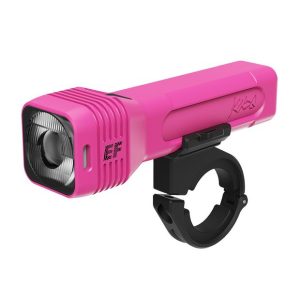
The right option depends on where and when you ride: a light for being seen on lit urban roads has different priorities from one intended to illuminate unlit lanes or paths.
Think about your usual route before comparing headline brightness. A focused beam that reaches further can help on dark roads, while a broad, well-controlled beam may be more useful at lower speeds or on shared paths. Runtime also depends on the setting you use, so a light’s longest quoted duration may not apply at its highest output. Mounting security, battery indication and ease of recharging can matter just as much as maximum output for everyday use.
SuperBike8 is a price comparison site, not a retailer. You can compare available rechargeable bike lights and retailer offers, then continue to your chosen retailer. Ordering, payment, delivery, returns, warranty and customer service are handled by that retailer. For other options, see Bike Lights, including E-Bike Lights, Helmet & Head Torches and Bike Light Accessories.
Choosing a rechargeable bike light for your rides
Start by deciding whether you need to see the road, be seen by other road users, or do both. A front light used mainly as a visibility aid can be smaller and less powerful than one expected to show potholes, surface changes and bends on an unlit route. A rear light is intended to make your position more noticeable from behind; it does not replace a front light when you need to see where you are going.
Some lights are sold individually and others as a front-and-rear set. Check the listing carefully: a pictured pair does not necessarily mean both lights are included. If you buy lights separately, consider whether their mounting systems suit your handlebars, seatpost or other intended position, and whether you will need to recharge them on the same schedule.
| Riding situation | What to prioritise | Potential compromise |
|---|---|---|
| Lit streets and short commutes | A visible front and rear light, simple controls and a mount you can remove easily when parking | A compact light may not illuminate an unlit road sufficiently for faster riding |
| Unlit lanes or paths | A useful forward beam, suitable runtime at the setting you need, and a secure, well-aimed mount | Higher-output settings can reduce time between charges |
| Daytime riding and poor visibility | An easily selected visibility mode and a rear position that is not blocked by clothing or luggage | A daytime mode does not by itself establish that a light is suitable for every night-time use |
| Long rides with limited charging access | Runtime that covers the whole ride with reserve, clear battery indication and a charging arrangement you can manage | A larger battery can mean a bulkier unit; actual runtime varies with use and conditions |
Brightness, beam shape and useful visibility
Brightness figures can help distinguish models, but they do not tell the whole story. The way light is distributed affects what you can see and how the light appears to others. A narrow beam may throw light further ahead, while a wider spread can make more of the near road or path visible. For road riding, a beam that is aimed appropriately matters: pointing a powerful light too high can dazzle other people, while aiming it too low can shorten the useful view ahead.
Look for information about beam pattern and intended use as well as maximum output. If you ride varied routes, multiple settings can help you balance visibility and battery life. A lower setting may be adequate on a lit commute, with a brighter setting available for darker sections. Check how the controls work before buying if you expect to change modes while wearing gloves; a small button that is awkward to find can be frustrating on a cold, wet ride.
Do not assume that the highest brightness setting is the best everyday choice. It can use more battery, and excessive light may be unsuitable around other road users. A rear light should make you visible without being obscured by a saddle bag, coat or pannier. Check the fit and mounting position on your own bike rather than judging the light only from product photographs.
Battery life, charging and everyday use
Quoted runtime can vary substantially between modes. Compare the duration for the setting you are likely to use, not only the longest figure shown. Cold weather, battery age and repeated use at high output can also affect how long a charge lasts. If your rides are long or your return time is uncertain, allow a sensible reserve rather than planning to use the battery down to its final minutes.
Check the charging connector and what is included with the light. Rechargeable models may use different USB connections, and a charging cable may or may not be supplied. Consider whether the battery is built into the light or removable. An integrated battery keeps the unit self-contained; a removable battery can offer flexibility in some designs, but you need to check what is included and how replacement or charging is handled for that specific model.
A battery indicator is useful, particularly if you use the lights daily, but indicators do not all communicate charge in the same way. Learn what the display or warning light means and get into the habit of checking it before a night ride. Avoid storing a rechargeable light for long periods in a fully depleted state, and follow the manufacturer’s charging and storage instructions.
Mounting, fit and weather exposure
A light is only useful if it stays in position and points where intended. Check the mount’s stated compatibility with your handlebar or seatpost, including its shape and available space. Road bars, oversized bars, cables, handlebar bags and other accessories can affect fit. Rubber straps can make removal convenient, while a bracket may provide a more fixed attachment; the best choice depends on your bike, how often you remove the light and whether you leave it unattended.
Vibration on rough roads can gradually alter the beam angle if a mount is not secure. Before riding, check that the light does not rotate when knocked and that it cannot obstruct braking or gear controls. If you use a rear light with a dropper post, seat pack or pannier, make sure it remains visible from behind. A second mounting position may be useful if your usual one is covered by luggage.
Rain resistance varies between products, so check the manufacturer’s description rather than assuming every rechargeable light is suitable for heavy weather. Keep charging ports closed and dry as instructed, and do not connect a wet light to power. Dirt, water and repeated handling can affect mounts and seals over time; inspect the unit and attachment periodically, especially before a long ride.
Using bike lights on UK roads
If you ride on public roads after dark, make sure your lighting arrangement meets the applicable UK requirements. Rules can depend on how a lamp is used and whether it complies with the relevant requirements, so do not assume that a particular brightness figure or flashing mode alone makes a light road-legal. Check the product information and current official guidance if you are unsure. This is general buying information, not legal advice.
Even where lights are used mainly to help you be seen, position them so they are not blocked and aim them considerately. Keep the lenses clean, check that the battery is charged and carry a backup plan for rides where loss of lighting would leave you unable to continue safely. A rear light does not make reflective details or sensible riding habits unnecessary.
Comparing rechargeable bike lights and retailer offers
When comparing offers on SuperBike8, match the exact model and version. Similar names can refer to different output levels, mounting kits, colours or bundles. Confirm whether the offer is for a front light, rear light or a set, and check the listed accessories, charging cable and mount rather than assuming they are included.
Retailers can list different prices for the same product, and colour variants or older model-year versions may be discounted differently. A previous-year light can still suit your needs, but check its specifications and included mount against the newer version: products with similar names are not necessarily identical. Delivery costs can also affect the total price. Once you choose an offer, you continue to that retailer, where payment, ordering, delivery, returns, warranty and customer service are handled.
Typical buying mistakes with rechargeable bike lights
- Choosing by the maximum brightness figure alone, without considering beam shape or intended route.
- Assuming the longest quoted runtime applies at the brightest setting.
- Buying a visibility light for regular riding on unlit roads without checking whether it can illuminate the route adequately.
- Assuming a product photograph showing two lights means the offer includes a front-and-rear set.
- Overlooking whether the charging cable, mount or other pictured accessories are included.
- Ignoring handlebar or seatpost compatibility, particularly when a bag, cables or other accessories occupy the same space.
- Mounting a rear light where a coat, saddle bag or pannier blocks it from view.
- Failing to check whether the beam can be aimed securely and considerately.
- Comparing different model versions or bundles as though they were identical.
- Forgetting to check the battery before a night ride or relying on a mode that leaves too little reserve.
- Assuming every rechargeable light has the same weather resistance or charging connection.
Three typical buying decisions for Rechargeable Bike Lights
1. A compact set for a lit town commute
If most of your journey is on lit streets, prioritise a front and rear light that are straightforward to mount, remove and recharge. Check the offer includes both lights if you want a set, and make sure the rear unit remains visible with your usual coat or bag. You may not need the largest front light, but it should still suit the conditions and comply with applicable road requirements.
2. A front light for unlit lanes
For dark roads or paths, focus on a useful forward beam, stable aiming and runtime at the setting you expect to use. A headline brightness number cannot show how effectively the beam illuminates the road, so check the product’s stated use and beam information. If you ride for several hours, choose a runtime with reserve rather than relying on the shortest possible estimate.
3. A light for mixed day and night riding
If you ride in changing light, look for controls that make it easy to select an appropriate mode and an indicator that helps you keep track of charge. Consider whether one light or a front-and-rear pair fits your needs, and check that the mounting positions work with your bike and luggage. Confirm that the night-time setting and the product’s stated compliance suit your intended road use.
Your checklist before you order
- Decide whether you need a front light, rear light or both.
- Identify whether your main purpose is to see the route, be seen, or combine both.
- Check the beam information and intended use, not just the maximum brightness figure.
- Compare runtime at the mode you expect to use and leave a reserve for longer rides.
- Confirm whether the offer is a single light or a set.
- Check which mount, cable and other accessories are included.
- Verify that the mount fits your handlebar, seatpost or intended position.
- Check that luggage, clothing or other accessories will not obscure the light.
- Confirm the charging connection and whether the battery is integrated or removable.
- Read the manufacturer’s weather-resistance, charging and storage guidance.
- Check the light’s information for suitability and compliance with applicable UK road requirements.
- Compare the exact model version, colour and bundle across retailer offers.
- Consider delivery costs when comparing the total price.
- Check the retailer’s listing for delivery, returns, warranty and customer-service details.
Frequently asked questions about Rechargeable Bike Lights
Are rechargeable bike lights suitable for commuting?
Yes. They can be convenient for regular rides because you recharge them rather than replace disposable batteries. Choose a front and rear arrangement suited to your route, and establish a charging routine so you are not caught with a depleted battery.
How bright should a rechargeable front bike light be?
It depends on whether you need to illuminate the road or mainly make yourself visible. For unlit routes, consider beam shape, useful range and runtime at the setting you will use, not just the maximum brightness figure. For lit streets, a visibility-focused light may be more appropriate.
Do rechargeable bike lights last as long as the advertised runtime?
Runtime depends on the selected mode and can also be affected by conditions and battery age. The longest quoted duration often relates to a lower-output setting. Check the figures for the mode that matches your riding and allow a reserve for longer journeys.
Can I use a flashing bike light on UK roads?
UK requirements depend on the lamp and how it is used; a flashing mode or brightness figure alone does not confirm compliance. Check the product information and current official guidance for your intended use. This is general information, not legal advice.
Are rechargeable bike lights waterproof?
Weather resistance varies by model. Check the manufacturer’s description for the specific light and follow its instructions for wet conditions, charging and storage. Keep charging ports closed and dry as directed, and do not charge a wet unit.
Does a rechargeable bike light set include a front and rear light?
Not necessarily. Some offers are for one light, while others are bundles. Check the retailer’s description and included-items list to confirm exactly what is supplied.
Can I use a rechargeable bike light during the day?
Many lights offer modes intended to improve visibility in daytime conditions, but available modes differ. Check the product details and remember that a daytime mode is not necessarily a substitute for a suitable night-time setting.
What should I check when comparing rechargeable bike light prices?
Compare the exact model and version, whether the offer is for one light or a set, the included mount and charging cable, and the stated runtime and beam information. Delivery costs can affect the total price. Ordering and other after-sales matters are handled by the retailer you choose.