Superbike8.co.uk – The ultimate bike search engine and price comparison site

Superbike8.co.uk – The ultimate bike search engine and price comparison site
Gravel Cycling Shoes
Showing all 6 results
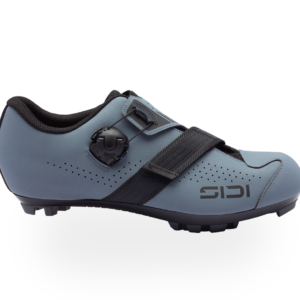
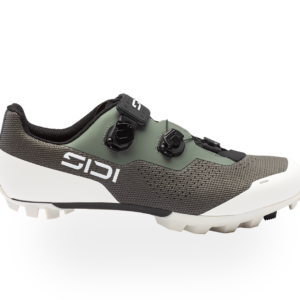
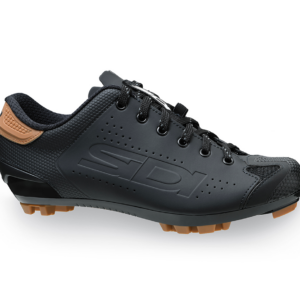
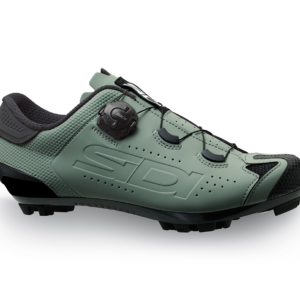
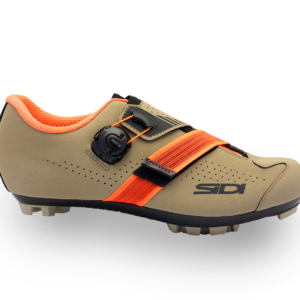
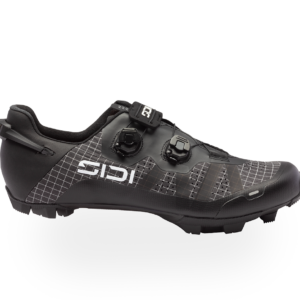
Gravel cycling shoes are designed for riding on mixed surfaces, where you may need to pedal efficiently on roads and tracks, then walk over loose ground or take a short stretch on foot. Compared with many road shoes, gravel-specific designs commonly have a recessed cleat area and a treaded sole. That can make walking more practical, but the balance of pedalling stiffness, grip and comfort varies between models.
The right choice depends on how you ride. A shoe for long gravel events may prioritise a secure fit and efficient power transfer, while one for bikepacking or routes with frequent stops may need more flexible walking comfort and a grippier tread. Cleat compatibility is also important: many gravel shoes use a two-bolt mounting pattern for off-road pedals, but you should check the shoe and pedal specifications rather than assume they will fit together.
SuperBike8 is a price comparison site, not a retailer. You can compare products and retailer offers when they are listed, while checking that each offer matches the size, colour and exact specification you want. If you are comparing this category with other options, see Cycling Shoes and Cycling Clothing. Once you choose an offer, you continue to the retailer; ordering, payment, delivery, returns, warranty and customer service are handled by that retailer.
What makes a gravel cycling shoe different?
Gravel shoes sit between road-focused cycling footwear and more walkable off-road shoes. Many have a cleat recess and tread blocks around the sole, so the cleat is less exposed when you walk. The tread can help on gravel paths, grass or muddy verges, although no cycling shoe should be assumed to provide reliable grip on every surface. Lug shape, rubber compound, sole stiffness and the amount of sole flex all affect how a shoe feels off the bike.
Compared with many road shoes, a gravel shoe can be easier to walk in and less awkward on uneven ground. It may also be less aerodynamic or less rigid than a race-oriented road shoe, depending on its design. Compared with a more flexible touring or trail shoe, a performance gravel shoe may offer a stiffer sole for sustained pedalling but feel less natural when walking for longer periods. There is no single design that suits every gravel rider, so consider how much of your ride is spent pedalling and how often you stop or walk.
Choose for your kind of riding
| Riding pattern | Features to prioritise | Possible compromise |
|---|---|---|
| Fast gravel rides and long days in the saddle | A close, stable fit; a sole with enough stiffness for your effort; secure closure that can be adjusted on the move | A very stiff sole can feel less comfortable when walking or on rough, bumpy tracks |
| Mixed gravel, bridleways and frequent stops | Recessed cleats, useful tread and a sole that feels manageable on foot | A more walkable design may feel less direct under hard pedalling than a very stiff option |
| Bikepacking and routes with hike-a-bike sections | Tread coverage, comfortable walking flex, durable uppers and room for the socks you plan to wear | A robust, walk-friendly shoe can be bulkier than a lightweight performance model |
| Mostly road riding with occasional gravel sections | A secure pedalling fit and a sole compatible with your preferred pedal system; consider how often you actually walk | A road-style shoe may be awkward on foot, while an off-road shoe may not feel as rigid as a dedicated road option |
Cleat and pedal compatibility
Check the mounting pattern on the shoe before comparing prices. Many gravel shoes are built for two-bolt off-road cleats, which are commonly used with mountain-bike and gravel pedal systems. The cleat sits within a recess in the sole on many designs, helping it avoid direct contact with the ground as you walk. Other shoe designs may use a different mounting layout, so the number and arrangement of threaded holes must match the cleat you intend to fit.
Also check the pedal manufacturer’s cleat requirements. A shoe can have the right number of mounting holes but still differ in how much adjustment it gives, how the cleat sits in the sole or whether the supplied hardware is suitable. If you are changing pedal systems, confirm that the pedals include compatible cleats or identify whether these need to be sourced separately. Do not assume that cleats supplied with one pedal system will work with another.
Cleat position affects comfort and control. Most shoes allow some fore-and-aft adjustment, but the available range depends on the shoe and cleat. If you already have a comfortable position, check that the new shoe’s mounting area lets you reproduce it. When installing cleats, follow the pedal and shoe instructions and make sure the fasteners are secure. If you are unsure about positioning or setup, ask a qualified bike shop for help.
Sole stiffness, tread and walking comfort
Sole stiffness influences how the shoe feels when you pedal, but a higher stiffness level is not automatically better for every rider. A relatively stiff sole can provide a stable platform during sustained efforts, particularly if you ride hard or spend long periods on the bike. However, stiffness can make walking feel less natural, and comfort also depends on fit, foot shape, cleat position and how well the sole supports your foot.
Gravel shoes use different sole constructions, including nylon-based composites and carbon fibre on some models. Materials and construction affect stiffness, weight, durability and price, but the material name alone does not tell you how a shoe will feel. A carbon sole is not necessarily the best choice if you value walking comfort or ride at a relaxed pace. Compare the intended use and manufacturer’s specification, then consider whether the added stiffness is useful for your riding rather than treating it as a measure of overall quality.
Look at the tread around the cleat and along the heel and forefoot. More pronounced lugs can be useful on loose or muddy ground and may protect the sole when walking, while a lower-profile tread can feel less cumbersome on firmer paths. Tread wears with use, especially if you walk frequently on hard surfaces. Replaceable tread elements are available on some designs, but not all, so check the product details if long-term sole repairability matters to you.
Fit, volume and closure
A secure fit helps prevent your foot moving inside the shoe as you pedal. Your heel should feel held without painful pressure, and the forefoot should have enough room to avoid numbness or rubbing. Feet can swell during longer rides, so a shoe that only feels comfortable when standing still in a shop may become too tight after several hours. Try shoes with the cycling socks you expect to wear, and consider whether you need room for thicker socks in colder weather.
Sizing is not identical between manufacturers. The same stated size can feel different in length, width, toe-box shape and overall volume. Use the manufacturer’s own size chart and measurement guidance, and check whether it specifies foot length or another measurement. If you are between sizes, do not automatically size up: a longer shoe may leave your heel moving, while a wider fit may be the more relevant requirement. Where possible, try the shoe on, and check the retailer’s terms for size exchanges or returns before ordering.
Closure systems include hook-and-loop straps, dials, laces or combinations of these. Dials can make small adjustments convenient, particularly when you want to alter tension during a ride. Straps are straightforward and can spread pressure over the foot, while laces allow a broad range of adjustment but may be less convenient to alter on the move. A protective lace cover or strap arrangement can help keep loose material away from the chain, but inspect the specific design rather than assuming every shoe has one.
Pay attention to pressure points as well as overall tightness. A dial or strap that creates a concentrated hot spot may become uncomfortable over distance. If you have a high instep, wide forefoot or other fit requirements, look for manufacturer information about shoe shape and available width options. A different insole may change support and volume slightly, but it cannot reliably correct a shoe that is fundamentally the wrong length or shape.
Upper materials and riding conditions
The upper affects how the shoe holds your foot, breathes and handles dirt or rain. Synthetic uppers are common and may be relatively easy to clean, although their breathability and flexibility vary by construction. Mesh panels can encourage airflow in mild or warm conditions but may allow more water or fine grit to enter. More covered or reinforced panels can offer protection against trail debris, but may feel warmer. Check the design and care guidance rather than relying on a material label alone.
Gravel shoes are not automatically waterproof. A water-resistant finish or weather-resistant panel may help in light spray, but water can still enter through openings and seams. For wet UK riding, consider whether you will use overshoes, and check that they fit over the shoe’s closure and sole. In warm weather, ventilation may matter more than protection from rain. For winter use, space for suitable socks and compatibility with overshoes can be more useful than choosing a shoe that feels tight with a thick sock.
Reinforcement around the toe and sides can help protect against impacts from stones and scuffs when walking. It can also add material and affect flexibility. If your routes involve frequent hike-a-bike sections, robustness and sole grip may deserve more weight in your decision than a small difference in shoe weight. For smoother tracks and long distances on the pedals, fit and comfort over time may be the more important priorities.
How to compare gravel cycling shoe offers
Compare like with like. A product name may cover several versions, and differences can include sole construction, closure, upper details, colour and model year. Check the exact version and the selected size before comparing retailer offers. Colourways or previous-year models may be listed at different prices, and an older version can still suit your needs, but do not assume that similarly named shoes have identical specifications.
Look beyond the displayed product price when assessing an offer. Delivery costs can affect the total, and retailer terms determine delivery, payment, returns and customer service. Check what is included in the product listing, especially if it mentions cleats or other accessories; shoes are not necessarily supplied with pedal cleats. SuperBike8 lets you compare products and retailer offers, but the retailer provides the final product details and handles the transaction after you continue from an offer.
If you are choosing between a performance-focused shoe and a more walkable design, compare the features that matter for your rides rather than paying for a specification you will not use. A stiffer sole or premium closure may be valuable for regular long-distance riding, but may offer little advantage if your priority is comfortable walking and occasional gravel outings. Conversely, a very flexible shoe may not feel as supportive if you pedal hard for extended periods.
Care and wear
After a muddy ride, remove loose dirt with a soft brush or damp cloth and let the shoes dry naturally in a ventilated place. Avoid placing them directly on a radiator or using intense heat, which can damage materials or adhesives. Remove insoles if the care instructions allow it, and let them dry separately. Keeping the cleat recess and tread clear of grit can make it easier to clip in and out and reduce avoidable wear.
Inspect the tread, cleat mounting area, fasteners and closure regularly. Worn tread can reduce grip, while a damaged or loose cleat can affect engagement with the pedal. Replace cleats when worn according to the cleat manufacturer’s guidance, and check that the shoe’s mounting threads remain in good condition. If the upper is damaged or the sole separates, seek advice from the manufacturer or a suitable repairer rather than continuing to ride in a shoe that no longer holds your foot securely.
Typical buying mistakes with gravel cycling shoes
- Choosing by shoe size alone without checking the manufacturer’s sizing guidance, foot shape and intended sock thickness.
- Buying a shoe with a cleat mounting pattern that does not match your pedals or cleats.
- Assuming every gravel shoe comes with pedal cleats; check exactly what the offer includes.
- Prioritising the stiffest sole even though you regularly walk on rough ground or take hike-a-bike sections.
- Choosing a highly flexible, walk-friendly shoe when you want a very stable platform for sustained hard efforts.
- Overlooking tread design and then finding the shoes uncomfortable or slippery for the surfaces you encounter on foot.
- Assuming a shoe is waterproof because it is described as suitable for gravel or has covered panels.
- Comparing different model versions or colours without checking whether the specification has changed.
- Ignoring delivery costs and retailer terms when comparing the total cost of an offer.
- Buying a tight fit for winter riding without allowing for the socks or overshoes you intend to use.
Three typical buying decisions for Gravel Cycling Shoes
1. You ride long gravel distances and rarely walk
Prioritise a comfortable, secure fit and a sole stiffness that suits your effort and riding style. A performance-oriented construction may feel stable during long periods of pedalling, but check that it does not create pressure points and that the tread still offers enough grip for your occasional stops. Confirm the cleat interface matches your pedals before comparing offers.
2. You mix gravel with bridleways and frequent stops
Look for a recessed cleat, useful tread and a closure you can adjust without creating uneven pressure. A moderate balance between pedalling support and walking comfort is often more appropriate than choosing solely for maximum stiffness. Try the shoes with your usual socks and pay attention to heel hold as well as space around the toes.
3. You go bikepacking or expect to walk on rough ground
Give walking comfort, tread coverage, durability and weather layering more consideration. A shoe that feels manageable off the bike can be a better match than a very stiff race-style design, even if it is less focused on maximum power transfer. Check how overshoes fit, whether the closure is protected from grit and whether any replaceable tread parts are available for the model.
Your checklist before you order
- Is the shoe designed for the kind of gravel, road and off-bike riding you do?
- Does its cleat mounting pattern match your pedal system?
- Have you checked whether cleats are included or need to be purchased separately?
- Have you used the manufacturer’s size chart and considered your foot shape?
- Will the fit allow for the socks you expect to wear?
- Does the shoe hold your heel securely without squeezing your toes or instep?
- Is the sole stiffness suitable for your balance of pedalling and walking?
- Does the tread suit the surfaces where you may need to walk?
- Are the closure and adjustments comfortable and practical for your rides?
- Do the upper materials and ventilation suit your typical weather conditions?
- Will overshoes fit if you plan to use them in cold or wet weather?
- Are you comparing the exact model version, colour and size you intend to order?
- Have you checked the retailer’s delivery costs, returns terms and product details?
- Have you checked whether the offer includes only the shoes or any stated accessories?
Frequently asked questions about Gravel Cycling Shoes
Can I use gravel cycling shoes for road riding?
Often, yes, if the shoe’s cleat mounting pattern is compatible with your pedals and the shoe fits comfortably. A gravel shoe can be practical for mixed routes and walking, while a dedicated road shoe may have a different sole and cleat arrangement. Check the specific shoe and pedal requirements before buying.
Do gravel cycling shoes come with cleats?
Not necessarily. Whether cleats are included depends on the product and retailer offer. Check the listing carefully and confirm that any cleats supplied are compatible with your pedals.
Are gravel cycling shoes waterproof?
Gravel shoes are not automatically waterproof. Some may have weather-resistant materials or covered sections, but water can enter through openings and seams. Check the manufacturer’s description and consider overshoes for wet or cold rides.
How should gravel cycling shoes fit?
They should hold your heel securely without painful pressure, while leaving enough room in the forefoot for comfort on longer rides. Sizing and shoe shape vary between manufacturers, so use the specific size chart and try the shoes with your cycling socks if possible.
Is a stiffer sole always better for gravel riding?
No. A stiffer sole can feel supportive during hard or sustained pedalling, but may be less comfortable for walking. Choose stiffness according to your riding effort, fit and how often you expect to be off the bike.
Can I compare different model years?
Yes, but check the exact specification rather than relying on the model name alone. Previous-year versions or colourways may differ in materials, closure or other details, and their prices can vary between retailer offers.
How does buying through SuperBike8 work?
SuperBike8 is a price comparison site where you can compare products and retailer offers. After choosing an offer, you continue to the retailer. Ordering, payment, delivery, returns, warranty and customer service are handled directly by that retailer.