Superbike8.co.uk – The ultimate bike search engine and price comparison site

Superbike8.co.uk – The ultimate bike search engine and price comparison site
Water Bottles

A cycling water bottle should be easy to reach, comfortable to drink from and suited to the way you ride. Capacity, shape, lid design and material all affect how well it works on a bike. Read more
Showing all 3 results
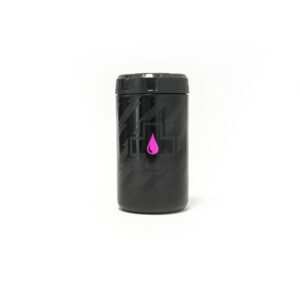
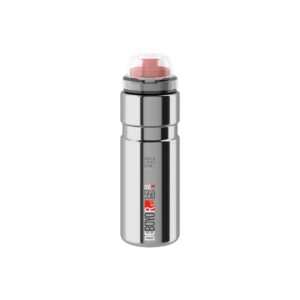
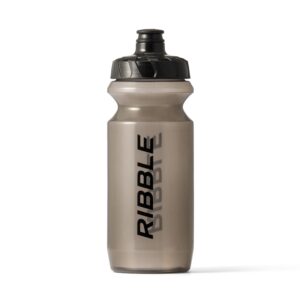
A bottle for a short commute may prioritise simple cleaning and a secure cap, while a long ride can call for more capacity or a design that is easy to use while moving.
Compatibility is just as important as capacity. A bottle needs to sit securely in its cage and be straightforward to remove and replace, including when the frame has limited space. Insulated bottles can help keep a drink cooler for longer, but their wider bodies may not fit every cage or frame. Check the bottle dimensions and your bike's available clearance rather than assuming that every cycling bottle will fit every setup.
On SuperBike8 you can compare products and retailer offers for water bottles. Once you have picked an offer, you continue to the retailer; ordering, payment, delivery, returns, warranty and customer service are handled directly by that retailer. Before choosing, compare the exact size and version, check whether a cage is included, and review any delivery costs that affect the total price.
Choosing a water bottle for your riding
Think about when and where you drink, not only how much a bottle holds. On a short ride, a compact bottle may be easier to handle and leave room for other items in a small frame. For longer rides, more capacity can reduce how often you need to refill, but a full bottle is heavier and may be harder to pull out of a tightly fitted cage. Your route, weather, access to refill points and riding pace all influence the useful capacity.
Also consider how the bottle will be used. If you need to drink quickly without stopping, a simple squeeze bottle with a pull valve may be more practical than a screw-top that needs two hands. If you prefer to stop and drink, a wider opening can make filling and cleaning easier. Some lids have extra covers or valves; these can help keep the drinking surface protected, but add parts that need cleaning and may be less convenient to operate on the move.
Capacity and bottle shape
Many cycling bottles are offered in capacities around 500 ml to 750 ml, with larger options also available. Treat these as common sizes rather than a guarantee that a particular bottle will suit your frame. A bigger capacity is useful when you expect a long gap between refill points, but the bottle may be longer or wider and can interfere with frame access, a frame bag or another bottle. Two smaller bottles can be easier to position on some bikes, provided the frame has suitable mounting points and enough clearance.
Capacity printed on a bottle is not the only dimension worth checking. Look at its height, maximum diameter and shape around the base. A tapered bottle may be easier to remove from a compact frame, while a broad or insulated design can be more stable in a cage designed for that shape. If you ride with a small frame, full-suspension bike or frame bag, check the available space with the cage fitted and consider the direction in which the bottle needs to come out.
Lids, valves and drinking styles
A pull valve is common on sports bottles because it can be opened with one hand and used while riding. Squeezing the bottle helps deliver the drink, although the amount of effort varies with the bottle wall and valve. A screw cap gives a more completely closed opening for carrying, but is slower to use while cycling. Some designs combine a drinking valve with a cover or lock; check how the mechanism works and whether it can be operated safely without taking your attention from the road or trail.
For commuting or carrying a bottle in a bag, a cap that closes securely can be particularly useful. For off-road riding, a cover may help keep dirt away from the mouthpiece. Extra mechanisms can be handy, but they create more small parts and crevices to rinse. If you want the simplest maintenance, choose a lid that comes apart easily and has no unnecessary pieces.
Materials, insulation and maintenance
Most cycling bottles are made from flexible plastics or more rigid materials, with some insulated designs using a double-wall construction. A flexible bottle is generally easy to squeeze and light to carry, while a rigid bottle may hold its shape more firmly. These are broad characteristics: wall thickness, design and the drinking valve also affect how a bottle feels in use. Check the manufacturer's information for the intended use, care instructions and any stated restrictions on liquids or temperature.
Insulated bottles can be useful if you want a drink to stay cooler for longer, especially on warm rides. The extra wall construction usually makes them bulkier and can reduce the space available inside compared with a standard bottle of similar outside dimensions. They may also be heavier when empty. Compare the external measurements and cage fit as well as the stated capacity, and do not assume an insulated bottle will fit a standard cage just because it is described as a cycling bottle.
Cleanability matters because a bottle is repeatedly filled and used. A wide opening can make it easier to reach inside with a brush and to dry the bottle after washing. A complicated valve or narrow passage may need more careful rinsing, particularly after using drinks other than water. Follow the maker's cleaning instructions: dishwasher suitability, acceptable temperatures and whether a lid should be dismantled vary between products. Letting the bottle and lid dry fully before storage helps avoid stale smells.
Inspect the bottle and valve regularly for cracks, damage, persistent odour or parts that no longer close or work properly. Replace worn seals or lids only if compatible replacements are specified for that bottle. Do not use a bottle for hot drinks unless its manufacturer explicitly says it is suitable; heat can affect materials and may make the bottle unsafe or uncomfortable to handle.
Bottle and cage compatibility
A water bottle is only useful on the bike if it works with the cage and the space available on the frame. Bottle cages vary in how they hold a bottle and how much flexibility they allow. A bottle that is too narrow may move around, while one that is too wide can be difficult to insert or remove. Check the bottle's stated dimensions against the cage information where available, and pay attention to any specific compatibility notes.
Frame layout can make access as important as fit. A bottle might physically sit in the cage but be awkward to remove because the top tube, frame bag or another bottle blocks its path. This is common to consider on smaller frames and some mountain bikes. Side-entry cages can help where there is limited room above the bottle, but the direction of entry needs to suit the available space and your preferred hand. If you are choosing both items, compare the bottle and bottle cages as a compatible setup rather than treating them as unrelated purchases.
| Bottle choice | Where it can make sense | What to check |
|---|---|---|
| Compact capacity | Short rides, smaller frames or setups where access is tight | Whether the capacity is enough for your route and whether a second bottle is practical |
| Larger capacity | Longer rides or routes with fewer convenient refill points | Bottle length, diameter, full weight and clearance from the frame or bags |
| Insulated construction | Rides where keeping a drink cooler is a priority | Bulk, external dimensions, cage fit and the manufacturer's cleaning guidance |
| Covered or more complex lid | Commuting, carrying in a bag or riding where the mouthpiece can get dirty | Ease of one-handed use, secure closure and how readily the parts can be cleaned |
Choosing a bottle for commuting, road and off-road rides
For everyday commuting, look for a bottle that is quick to open, easy to clean and secure enough for how you carry it. If it goes in a backpack rather than a cage, a dependable closed cap is more important than a valve designed for drinking while riding. If it stays on the bike, make sure the cage holds it securely over rough roads and that you can reach it without compromising control.
Road riders often value a bottle that is easy to pull from the frame and drink from with one hand. Check that the shape suits the cage and that the lid is easy to operate. On longer rides, capacity and the option to carry a second bottle may matter more than a very compact profile. A bottle should never distract you from riding safely: drink when conditions allow, and stop if you cannot use it while maintaining control.
For mountain biking and gravel riding, consider how securely the bottle sits and whether mud or dust is likely to collect around the drinking valve. A protective cover can help keep the mouthpiece cleaner, but it must be simple enough to use when wearing gloves if you expect to drink on the trail. Frame clearance can be limited by suspension layouts, small frames and bags, so check the bottle's removal path before relying on it for a ride.
Weather changes how much capacity you may want, but there is no single amount that suits every rider. A long, exposed route in warm conditions is different from a short winter commute with frequent stops. Plan around your own ride and available refill points, and avoid assuming a larger bottle is automatically better: if it is awkward to reach or does not fit securely, it may be less useful in practice.
Compare water bottle offers carefully
Retailers can set different prices, and colour or size variants may be priced differently. When comparing offers on SuperBike8, check the exact product description, capacity, lid version and colour rather than relying on a similar-looking image. A listing may be for a single bottle, while a bundle may include more than one item; confirm exactly what is included before comparing the total price.
Delivery costs can affect the overall amount, so review the retailer's terms before choosing an offer. If a bottle is shown in a particular colour or size, make sure that is the variant selected. The retailer handles the order and provides its own information about payment, delivery, returns and customer service. SuperBike8 helps you compare products and retailer offers, but does not sell or dispatch the products.
Previous-year colourways may sometimes be priced differently and can still be suitable if the bottle's dimensions, lid and materials meet your needs. However, products with similar names are not necessarily identical: details such as the valve, insulation, capacity or dimensions can change. Compare the specifications for the precise version rather than assuming that a familiar name guarantees the same design.
Typical water bottle buying mistakes
- Choosing by capacity alone: a larger bottle can be too tall or wide for the cage or frame, even when its stated volume seems suitable.
- Assuming every cage fits every bottle: compare the bottle's shape and dimensions with the cage, especially with insulated or unusually shaped bottles.
- Ignoring the removal path: check whether you can lift or slide the bottle out without hitting the top tube, frame bag or another bottle.
- Overlooking the lid: a covered valve can help keep the mouthpiece clean, but a complex cap may be fiddly to use and wash.
- Buying a bottle for a bag without checking the closure: a valve that is convenient on a bike may not be designed for loose carrying in a rucksack.
- Confusing a bottle with a bundle: verify whether the offer is for one bottle or includes a cage or other items.
- Assuming insulated means better for every ride: insulation adds bulk and may complicate cage fit, so it is most useful when keeping a drink cooler is a priority.
- Forgetting cleaning requirements: check whether the lid comes apart and follow the maker's care instructions rather than assuming it is dishwasher-safe.
- Comparing similar names instead of exact versions: capacity, valve design, colour and dimensions may differ between product variants or model years.
Three typical buying decisions for Water Bottles
1. A compact bottle for a short commute
If your rides are short and you have regular access to a refill, prioritise a shape that fits your frame and a lid that is simple to open and clean. A compact bottle can leave more room around the frame, but check that its capacity is enough for your usual journey and that it sits securely in the cage over uneven roads.
2. More capacity for longer rides
For longer routes, compare larger bottles or a setup with more than one bottle if your frame has space. Consider the full weight, not just the empty bottle, and make sure each bottle can be removed easily. If the route has reliable refill points, a smaller bottle may be more convenient than carrying more liquid than you need.
3. An insulated bottle for warm-weather riding
If keeping a drink cooler is important, an insulated design may suit your rides. Check its outside dimensions and compatibility with your cage because insulation can make a bottle bulkier. Compare the cleaning instructions and lid design too; a more complex cap is only worthwhile if you find it practical to use and maintain.
Your checklist before you order
- Is the capacity suitable for your usual ride length and refill opportunities?
- Have you checked the bottle's height, diameter and shape?
- Will it fit the cage you already own, or are you comparing a compatible cage too?
- Can you remove and replace the bottle with your frame layout, bags and other bottles?
- Does the lid suit how you ride and carry the bottle?
- Can the valve be operated easily without distracting you from riding?
- Would a cover be useful for keeping the mouthpiece clean?
- Is insulation useful for your riding conditions, and will the extra bulk fit?
- Have you checked the maker's cleaning and temperature guidance?
- Does the offer include one bottle, multiple bottles or a cage?
- Are you comparing the exact capacity, colour and lid version?
- Have you considered delivery costs when comparing retailer offers?
- Have you read the retailer's details for ordering, delivery and returns?
Frequently asked questions about Water Bottles
What size water bottle should I choose for cycling?
Choose a capacity based on your ride length, conditions and access to refills. Common cycling bottle sizes include around 500 ml and 750 ml, but check the actual dimensions as well as the stated capacity, particularly if you have a small frame or a frame bag.
Do cycling water bottles fit all bottle cages?
No. Bottle and cage shapes and dimensions can differ. Check the bottle's measurements and any compatibility information, and consider whether it can be removed easily from your particular frame. Insulated or unusually shaped bottles may need particular attention.
Are insulated cycling bottles worth choosing?
They can be useful if keeping a drink cooler is important for your rides. They may be bulkier than a standard bottle, so check the external dimensions, cage fit and frame clearance before choosing one.
How should I clean a cycling water bottle?
Follow the manufacturer's instructions for the bottle and lid. Rinse and wash the parts as directed, dismantling the valve only if the maker says it can be taken apart. Let the bottle and lid dry fully before storing them.
Does a water bottle offer include a bottle cage?
Not necessarily. Check the retailer's product description to see whether the offer is for a bottle alone or includes a cage or other items. Compare like with like when reviewing offers.
Can I use a cycling bottle for hot drinks?
Only do so if the manufacturer explicitly states that the bottle is suitable for hot liquids. Check the product's instructions, as materials and lid designs differ.