Superbike8.co.uk – The ultimate bike search engine and price comparison site

Superbike8.co.uk – The ultimate bike search engine and price comparison site
Floor Pumps

A floor pump is designed to inflate a bike tyre while the pump stands on the ground, giving you a stable base and a long handle to push against. It is a practical choice for regular pressure checks and inflation at home or in a workshop. Read more
Showing all 2 results
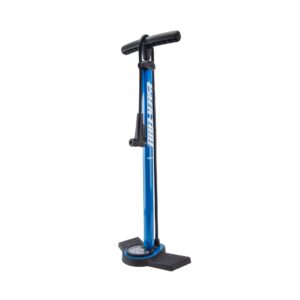
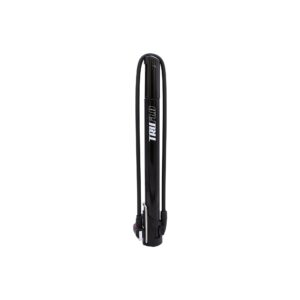
The right option depends on your tyres and valves, how precisely you want to monitor pressure, and whether you prioritise high air volume, a higher pressure range or straightforward storage.
Not every pump suits every job equally well. A high-volume design can make it quicker to inflate wider tyres, while a pump intended for higher pressures may be more useful for narrow road tyres. The gauge, pump head and hose also matter: they affect how easily you can read the pressure, connect to the valve and reach a bike positioned on a stand or against a wall.
SuperBike8 is a price comparison site, not a retailer. You can compare products and retailer offers, then continue to the retailer whose offer you choose. Before deciding, check the exact pump version and its specifications; prices, delivery costs and terms can vary between retailers. Ordering, payment, delivery, returns, warranty and customer service are handled directly by the respective retailer.
What to look for in a floor pump
A floor pump should work with your bike's valves, provide a useful pressure range and feel stable when you use it. For many riders, the best choice is not the pump with the most features, but one that is easy to connect, read and operate for the tyres they actually ride.
| Feature | Why it matters | Check before choosing |
|---|---|---|
| Pump head and valve fit | The head has to seal around the valve to inflate the tyre without unnecessary air loss. | Confirm compatibility with your valve type and how the head is secured or switched between types. |
| Gauge and pressure range | A readable gauge helps you repeat a chosen pressure and avoid relying on feel alone. | Check that the scale covers your intended use and is easy to read at the pressures you use. |
| Air volume and barrel | The amount of air moved per stroke affects how the pump feels with different tyre sizes and pressures. | Match the pump's intended pressure and volume characteristics to your road, gravel or mountain bike tyres. |
| Base, handle and hose | These affect stability, grip and how comfortably you can reach the valve. | Look for a secure footprint, a comfortable handle and a hose long enough for your usual set-up. |
Valve compatibility and pump heads
Most bike floor pumps are designed to work with Presta and Schrader valves, but the mechanism varies. Some heads have two openings, some use a reversible insert, and others switch between valve types. A dual-purpose head can be convenient if you maintain bikes with different valves, but check that it is straightforward to configure and that the correct side is clear.
Presta valves are common on road bikes and many performance bikes. Their narrow stem has a small locking nut at the tip, which you loosen before inflating and tighten afterwards. Schrader valves are wider and are also used on some bikes and other inflatables. Less common valve types may require a compatible head or adapter, so do not assume that every pump will connect directly to every valve.
Pay attention to how the pump head attaches. A lever-lock head clamps onto the valve; a threaded head screws on. A secure connection helps prevent air escaping while pumping, but a tight threaded head can sometimes loosen a removable valve core when you unscrew it. If you use a threaded head, check the valve core is secure and remove the pump carefully. With any head, avoid twisting or levering the valve stem, particularly on an inner tube where the stem can be vulnerable to sideways force.
A short hose can make it awkward to use a pump when the wheel is in a workstand or the bike is positioned close to a wall. A longer, flexible hose gives more room to move the pump without putting strain on the valve. If you regularly inflate small wheels, check that the head can be fitted easily where the spokes and frame leave limited space.
Pressure, gauge and tyre type
Choose a pump whose pressure range suits your tyres rather than focusing on its maximum rating alone. Narrow road tyres often need a different pressure approach from wider gravel or mountain bike tyres. Wider tyres are commonly ridden at lower pressures, while narrow tyres may call for higher pressures, but the right figure also depends on the tyre, rim, rider and load, riding surface and set-up. Follow the tyre and rim manufacturers' limits and recommendations, and take care not to exceed the lowest relevant maximum pressure.
A gauge makes it easier to check pressure consistently. Analogue gauges are read from a marked dial; digital gauges show a numerical reading and may offer unit switching, depending on the model. Neither format guarantees that every reading will match another gauge exactly. If precise repeatability matters, use the same gauge for your routine checks and compare it periodically with a trusted alternative.
Check which units the gauge displays. Bike pressure gauges commonly show bar and/or psi. A large, clearly marked scale can be easier to read than a small dial with closely spaced markings. If you use a narrow range of pressures, a gauge where that range is easy to distinguish may be more helpful than one with a very broad scale.
Some pumps include a pressure-release button or bleed valve. This lets you let out a little air after pumping past your target, which can help with fine adjustments. It is especially useful when a small change in pressure is noticeable in your chosen set-up. If you normally inflate tyres by feel or use a separate gauge, this feature may be less important.
High-volume and high-pressure designs
Floor pumps differ in how much air they move with each stroke and how easily they build pressure. A high-volume pump can be a comfortable match for wider mountain bike or gravel tyres, which need more air to reach their working pressure than a narrow tyre. A high-pressure design is intended to make it easier to reach the higher pressures required by some narrow tyres. These descriptions refer to the pump's intended use; check its stated range and guidance rather than judging by the label alone.
There is a practical trade-off. A pump that moves a large volume of air can take more effort as pressure rises, while a design optimised for high pressure may require more strokes to fill a large-volume tyre. If you ride several types of bike, consider the tyre you inflate most often and whether the pump's stated range covers the others. A pump that can handle your full range of tyres is often more useful than choosing solely for one bike's maximum pressure.
For tubeless tyres, getting air into the tyre quickly can help when seating a tyre bead, but a standard floor pump does not necessarily provide a rapid air release. Some pumps are specifically designed with an air chamber or booster function; others are not. Confirm that capability in the product specifications if you need it. Do not assume that a pump described as high-volume is a tubeless inflator.
Build, stability and ease of use
The base and handle affect how a pump feels in use. A broad or well-supported base is less likely to rock as you press down, while a handle that gives you a secure, comfortable grip can make repeated strokes less tiring. If storage space is limited, consider the pump's overall height and whether the handle or hose can be secured neatly when it is not in use.
Barrels and other components may use different materials, including steel, aluminium or plastic. Material alone does not tell you everything about durability or performance: construction, joints, seals and the quality of the pump head also matter. A metal barrel may feel robust, while a lighter construction can be easier to move or store. For a pump that will stay in one place, ease of handling may matter less than stable operation and replaceable wear parts.
Seals and valve-head parts can wear over time, particularly with frequent use. If you expect to maintain several bikes, check whether replacement seals or pump-head parts are available from the manufacturer or retailer. Keeping the pump clean and storing it somewhere dry can help protect moving parts. Avoid forcing a head onto the valve or using excessive side pressure, which can damage both the valve and the pump connection.
A floor pump is mainly intended for use where you can keep it with the bike. If you need inflation on a ride, a mini pump is designed for portability. For powered inflation, compare the relevant electric bike pumps. You can also browse the broader bike pumps category or other cycling accessories when deciding what suits your riding routine.
Choosing a floor pump for your riding
Road riding and sportives
For road tyres, prioritise a pump with a suitable pressure range, a gauge that is easy to read at your usual settings and a head that connects securely to Presta valves. A comfortable handle and stable base are useful if you check pressure before most rides. Do not select a pump only because its maximum pressure sounds high: make sure the gauge is legible and that the pump is comfortable to use across the pressure range you need.
Gravel and mixed-surface riding
Gravel riders may use tyres that need more air volume than narrow road tyres, while still wanting to adjust pressure carefully for different surfaces. Look for a pump suited to the tyre widths and pressures you actually run, with a gauge that supports repeatable adjustments. If you ride both a road bike and a gravel bike, compare the pump's full stated range against both rather than assuming one design is equally convenient at every pressure.
Mountain biking and wider tyres
Wider mountain bike tyres usually make a pump's air volume and gauge readability at lower pressures more relevant than an especially high maximum pressure. A stable base, smooth stroke and useful hose length can make regular checks easier. If you use tubeless tyres and want to seat a bead at home, specifically check for an air chamber or booster function; an ordinary floor pump may not provide the required burst of air.
Price comparison: compare like with like
Retailers can show different prices for the same pump, and delivery costs can affect the total. Check the exact product version, including the pump head, gauge type and any included accessories, before comparing offers. Similar names can refer to different specifications, while photographs may show a colour or version that is not the one described in the offer.
Older colours or previous-year versions may be priced differently and can still suit your needs, but do not assume that a pump is unchanged simply because its name is similar. Compare the stated specifications and included parts. On SuperBike8 you can compare available products and retailer offers; once you choose an offer, you continue to the retailer. Confirm its delivery information, returns terms and warranty details before ordering, as these are handled by that retailer.
Typical floor pump buying mistakes
- Ignoring valve compatibility: Check your inner tube or tubeless valve before choosing a pump head, especially if you maintain bikes with different valve types.
- Choosing by maximum pressure alone: A high rating is not useful if the gauge is hard to read or the pump is tiring to use with your tyres.
- Assuming high-volume means tubeless-ready: Confirm that the pump has a specific air chamber or booster if you need help seating a tubeless tyre.
- Overlooking gauge units and readability: Make sure you can easily read the units and pressure range you use.
- Buying a pump that only suits one bike: If you maintain road, gravel and mountain bikes, compare the stated range and intended use against all of them.
- Forgetting the hose and pump position: A short hose can put strain on the valve or make inflation awkward in a workshop set-up.
- Assuming all pump heads work the same way: Lever, screw-on and switchable heads have different handling; choose one you can use without twisting the valve.
- Comparing different versions as if they were identical: Check the exact pump head, gauge and included accessories in each retailer offer.
- Ignoring the total cost: Compare delivery costs as well as the displayed product price.
- Using the wrong pressure target: Follow the tyre and rim guidance for your set-up instead of copying a pressure intended for a different tyre or rider.
Three typical buying decisions for Floor Pumps
1. A dedicated pump for a road bike
If you mainly maintain a road bike, prioritise Presta compatibility, a clearly readable gauge and a pressure range that covers your tyre requirements. A stable base and comfortable handle are more useful for regular checks than choosing a pump solely for an exceptionally high maximum rating. Check how the head locks onto the valve and whether the hose gives enough clearance around the wheel.
2. One pump for several bikes
If your household has bikes with different valve types or tyre widths, choose a pump head that can handle the valves you use and verify its pressure range against every bike. A clear gauge and simple valve switching can save time. The compromise is that a pump optimised for one tyre type may not feel as efficient for another, so consider which bikes you inflate most often.
3. A pump for tubeless set-up as well as routine checks
If you want to use one pump for everyday inflation and tubeless tyre seating, check the product information for a dedicated air chamber or booster feature. High air volume alone does not confirm that capability. If the pump does not specifically provide a rapid air release, choose it for routine inflation and consider how you will handle tubeless set-up separately.
Your checklist before you order
- Have you checked whether your bike uses Presta, Schrader or another valve type?
- Does the pump head work with your valve, and is its operation clear?
- Does the stated pressure range suit every tyre you intend to inflate?
- Are the gauge units and markings easy for you to read?
- Does the pump's intended air volume suit your tyre widths?
- Do you need a pressure-release button for fine adjustments?
- If you ride tubeless, does the pump specifically include a booster or air chamber if required?
- Is the hose long enough for your bike's position and wheel set-up?
- Does the base look stable and the handle comfortable to grip?
- Have you checked the pump's dimensions and storage requirements?
- Are any replacement seals or pump-head parts available if you expect frequent use?
- Are you comparing the exact same version and included accessories across retailer offers?
- Have you considered delivery costs and the retailer's terms?
- Will you follow the tyre and rim manufacturers' guidance when setting pressure?
Frequently asked questions about Floor Pumps
Can one floor pump work with both Presta and Schrader valves?
Many floor pumps are made for both valve types, using a dual-opening head, a reversible insert or a switchable mechanism. Check the product specifications and instructions, as the method differs between pumps. Less common valves may need a separate compatible head or adapter.
Is a high-pressure pump better for every bike?
No. A high-pressure design may suit narrow tyres that require higher pressures, while wider tyres often make air volume and control at lower pressures more relevant. Choose according to your tyres and check the pump's stated range rather than relying on its maximum rating.
Can I use a regular floor pump to seat a tubeless tyre?
Sometimes, but it depends on the tyre, rim and pump. A pump with a dedicated air chamber or booster can deliver a rapid release of air for seating a bead. A standard floor pump may not provide that function, so check the specifications and do not assume that a high-volume barrel is tubeless-ready.
Should I trust the gauge on a floor pump?
A pump gauge is useful for checking and repeating a pressure, but readings can vary between gauges. Using the same gauge for routine inflation helps you compare like with like. If you need a precise reading, check it against a trusted gauge and follow the tyre and rim manufacturers' guidance.
What is the difference between a floor pump and a mini pump?
A floor pump is intended for stable use at home or in a workshop, with a base and long handle for repeated strokes. A mini pump is designed to be carried on a ride, so it prioritises portability. Some riders use both: a floor pump for regular checks and a mini pump for roadside inflation.
How do I choose the right pressure for my tyres?
Pressure depends on factors such as tyre and rim limits, tyre width, rider and luggage weight, riding surface and whether the tyres are tubeless. Check the manufacturers' guidance for your set-up and stay within the applicable limits. A pump gauge can help you measure and repeat your chosen pressure.
Does a floor pump need regular maintenance?
Keep the pump clean and dry, and avoid forcing the head or putting sideways pressure on the valve. Seals and pump-head parts can wear with use, so check whether replacement parts are available if the pump will see frequent use. Follow the manufacturer's care instructions.