Superbike8.co.uk – The ultimate bike search engine and price comparison site

Superbike8.co.uk – The ultimate bike search engine and price comparison site
Cycling Shoes
Showing all 3 results
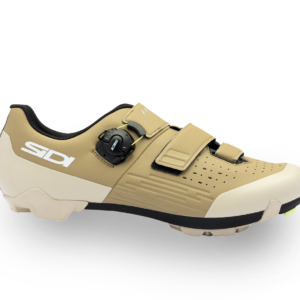
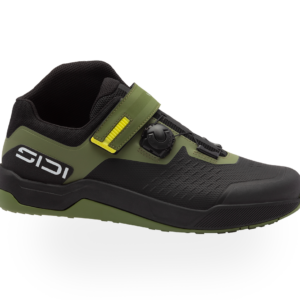
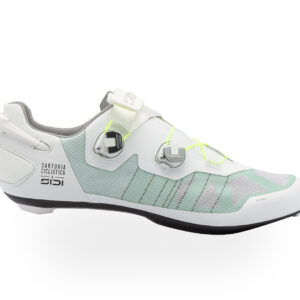
Cycling shoes are designed to connect your feet to the pedals more securely than ordinary trainers, but the right pair depends on how and where you ride. Road shoes, off-road shoes and versatile shoes for commuting or indoor cycling can differ in cleat fitting, sole stiffness, grip and how comfortable they are to walk in. Before comparing prices, decide which pedal system and riding conditions your shoes need to suit.
Fit is just as important as the sole. A shoe that is too short can press on your toes, while a loose heel may move during hard pedalling. Width, foot shape and the way the upper closes all affect comfort, particularly on longer rides. Shoe sizing also varies between manufacturers, so treat the size printed on a pair you already own as a starting point rather than a guarantee.
On SuperBike8 you can compare products and retailer offers. Check the precise model version, size and included components before comparing prices: cleats may be sold separately, and shoes that look similar can use different cleat mountings. Once you have picked an offer, you continue to the retailer. Ordering, payment, delivery, returns, warranty and customer service are handled directly by that retailer.
Choose cycling shoes for the way you ride
The main distinction is often how the shoe meets the pedal and whether you need to walk comfortably in it. Road cycling shoes generally prioritise an efficient pedalling platform and may use a broad, projecting cleat. Off-road designs commonly have tread around a recessed cleat, making them more practical when you need to walk over uneven ground. Other designs aim to balance pedalling support with everyday practicality.
| Riding use | Features to consider | Possible compromise |
|---|---|---|
| Road riding and sportives | A compatible road cleat fitting, a supportive sole and a secure fit that stays comfortable over longer rides. | A projecting cleat and limited tread can make walking less convenient. |
| Mountain biking and mixed off-road routes | Cleat compatibility with your pedals, tread for grip and a design that allows practical walking when needed. | A more robust, walkable design may feel less like a dedicated road shoe. |
| Gravel riding | Consider how much time you spend on the bike versus walking, the terrain and whether your pedals use a recessed or projecting cleat. | A very race-focused shoe may be awkward off the bike; a highly walkable one may not feel as supportive for fast road riding. |
| Commuting and touring | A secure fit, a practical sole and comfort when walking at stops or during a longer day out. | A shoe optimised for everyday use may be heavier or less stiff than a performance-focused option. |
| Indoor cycling | Check the pedal and cleat system fitted to your indoor bike or trainer before choosing the shoe. | A shoe that works with one bike or pedal may not fit another system. |
Use the table as a starting point, not as a substitute for checking compatibility. Riders often use the same shoes across different bikes, but that only works if the pedals and cleat fittings match. For a mixed-use setup, prioritise the riding you do most and decide how much walking comfort you are willing to trade for a more road-focused shape.
Pedal and cleat compatibility comes first
Before focusing on colour, materials or closure, identify the pedal system you intend to use. Cycling shoes have mounting points in the sole for cleats, and the position and pattern must suit the cleat supplied or specified for your pedals. Common arrangements include two-bolt fittings, often used with recessed off-road cleats, and three-bolt fittings often associated with road cleats. These are broad categories, not a guarantee that every cleat within a category is interchangeable.
Check the shoe and pedal manufacturer’s compatibility information, especially if you are replacing an existing pair or mixing parts from different systems. A shoe may have more than one mounting arrangement, but do not assume this without checking the product details. If you already own pedals, confirm the exact cleat type they require. If you are buying shoes and pedals separately, make sure the chosen components form a compatible system.
Also check whether cleats are included. Some shoes are supplied without them, so you may need to source compatible cleats separately. Cleat position can affect foot alignment and comfort; if you are unsure how to set it up, follow the product guidance or ask a qualified bike shop for help. Do not force a cleat onto a shoe or pedal when the fittings do not match.
Fit, sizing and foot comfort
A cycling shoe should hold your foot securely without creating painful pressure. Your heel should feel supported, the middle of the shoe should hold the foot without pinching, and your toes should not be forced hard against the front. Feet can swell during longer rides, so a fit that feels merely snug in a shop may become uncomfortable on the road. Try shoes with the socks you expect to ride in and assess the fit while standing as well as when seated.
Do not assume that the same size will fit across manufacturers, or even across every model from one manufacturer. Last shape, internal volume and width can differ. Read the maker’s size guidance for the specific shoe, and consider foot length and width where measurements are provided. If your feet are noticeably different in size, make sure the larger foot is not cramped; tightening the closure may help secure the smaller foot, but it cannot make a shoe with the wrong shape comfortable.
Descriptions such as “wide” or “race fit” are not universal measurements. Look for specific fit information from the manufacturer and check the retailer’s product details for the precise model and size. A shoe that feels comfortable for a short indoor test might still cause pressure on a long ride, so avoid sizing down simply to make the fit feel more locked-in. Secure retention should come from a suitable shape and adjusted closure, not from squeezing the foot.
Sole stiffness, grip and walking comfort
A stiffer sole can help provide a stable platform when you are pedalling hard, which may appeal to riders who prioritise road performance. Some higher-performance shoes use composite or carbon elements in the sole, while other designs use different constructions. Material alone does not tell you how a shoe will feel: the shape, reinforcement and overall construction also matter. A very stiff sole can feel less forgiving when walking, so consider whether you will be off the bike during your rides.
Off-road and commuting shoes often put more emphasis on tread and practical walking. A recessed cleat can sit within the sole’s tread rather than projecting as far below it, though the exact design varies. Tread pattern and sole shape matter on muddy paths, steps and uneven surfaces. They do not make every shoe suitable for every terrain, and a cycling shoe should not be treated as a substitute for footwear designed for a particular walking or hiking environment.
Think about your actual route. If you ride from home, stay on the bike and rarely walk, a more road-oriented design may make sense. If your gravel route includes cafés, gates or sections where you need to push the bike, walkability becomes more valuable. For commuting, the ability to walk safely and comfortably at crossings or at work may matter more than saving a small amount of weight.
Closures and upper materials
Closures need to hold the foot evenly and remain easy to adjust. Laces can offer a simple, familiar fit but may take longer to tighten and need to be kept clear of moving parts. Hook-and-loop straps are straightforward to adjust and can suit practical shoes. Dial closures can make it easier to fine-tune tension, though the number and placement of adjustment points vary. None is automatically best: check whether the closure can secure your foot without creating a pressure point and whether it is convenient to use with cold hands or gloves.
The upper affects feel, ventilation, durability and care. Textile and synthetic uppers can be relatively easy to clean, but their breathability and resistance to rain differ by construction. Leather or leather-like materials may feel different against the foot and need care suited to the specific material. Look at ventilation if you ride in warm conditions, and consider whether an exposed mesh upper will suit wet, cold or muddy rides. A ventilated shoe can be comfortable in summer but may let in more wind and water than a more covered design.
For frequent wet-weather riding, consider how the whole shoe handles water, not just whether its upper is described as water-resistant. Water can enter through openings, seams or around the ankle, and a shoe that keeps some spray out may not stay dry in prolonged rain. Overshoes can be an option for some setups, but check that they fit the shoe and do not interfere with its closure or cleat. Dry shoes thoroughly after wet rides and follow the manufacturer’s cleaning instructions rather than applying heat that could damage materials or adhesives.
Compare the exact version and total price
Retailers can set different prices for the same cycling shoe, and discounts may vary by size or colour. Previous-year colourways or model versions can be less expensive while still meeting your needs, but do not assume that a similar name means the construction or specification is unchanged. Compare the exact product version and check the listed features, cleat fittings and included items before deciding that two offers are equivalent.
On SuperBike8 you can compare products and retailer offers, then continue to the retailer whose offer you choose. Check delivery costs and the retailer’s terms, as these affect the overall price and purchase arrangements. Confirm the selected size and colour before proceeding, and distinguish a shoe-only offer from any bundle that includes cleats or other accessories. Payment, delivery, returns, warranty and customer service are handled directly by the retailer.
For a practical comparison, note the features that matter to you before looking at price: riding use, pedal system, fit, sole feel, closure and weather needs. This helps avoid paying for a race-focused construction you will not use, or choosing a low-priced shoe that does not fit your pedals or riding style.
Typical cycling shoe buying mistakes
- Choosing before checking the pedal system: A shoe’s cleat fittings must suit the cleats required by your pedals. Check the exact system rather than relying on a general label such as “road” or “off-road”.
- Assuming your usual shoe size will fit: Sizing and shoe shape vary between manufacturers. Check the specific size guidance and allow enough room for comfortable movement without letting the heel slip.
- Buying a stiff road shoe for a ride that involves lots of walking: A projecting cleat and minimal tread can be inconvenient on café stops, commutes or routes that include pushing the bike.
- Prioritising walkability when you mainly ride fast on the road: A practical sole may suit mixed use, but consider whether its feel and support match your main riding.
- Confusing a close fit with a painful fit: Tightening closures cannot correct an unsuitable shoe shape. Persistent pressure or numbness is a reason to reassess fit.
- Assuming cleats are included: Check the product contents and account for compatible cleats if they are sold separately.
- Choosing by material name alone: Construction, fit and design affect comfort and performance as well as the material used in the sole or upper.
- Ignoring seasonal conditions: Highly ventilated shoes can feel cold in exposed or wet conditions, while more covered shoes may feel warm in summer.
- Comparing different model versions as if they were identical: Verify the precise version, size, colour and specification, particularly when considering discounted older models.
- Comparing a bundle with a single pair: Check whether cleats or accessories are included before comparing the offer price.
Three typical buying decisions for Cycling Shoes
1. Road rider who wants a secure pedalling platform
If most of your riding is on tarmac and you rarely walk far, start with shoes compatible with your road pedals and cleats. Compare fit, closure and sole feel rather than choosing by stiffness or material alone. Make sure the shoe holds your heel without pinching and that you are comfortable with the walking limitations of the cleat and tread.
2. Gravel rider who regularly gets off the bike
If your routes include stops, uneven ground or short sections on foot, look for a shoe and cleat setup that makes walking manageable. Check the pedal compatibility, the cleat’s position within the tread and the shoe’s grip. A more walkable design may be a better overall fit than a very road-focused shoe, even if you also spend long periods pedalling.
3. Commuter choosing one pair for riding and everyday stops
For regular journeys with walking at either end, prioritise a comfortable fit, a practical sole and closures that are easy to manage. Consider the weather and how much ventilation you need throughout the year. Before comparing offers, confirm that the shoes match your pedals and check whether the cleats are included or need to be purchased separately.
Your checklist before you order
- Have you identified the exact pedal and cleat system you will use?
- Do the shoe’s cleat mountings match the compatible cleats for your pedals?
- Have you checked whether cleats are included or sold separately?
- Does the shoe suit your main riding: road, off-road, gravel, commuting, touring or indoor cycling?
- Will you need to walk often, and is the tread and cleat position suitable for that?
- Have you checked the manufacturer’s size guidance for this specific model?
- Does the fit allow comfortable toe room while keeping the heel secure?
- Have you considered foot width and the shape of the shoe, not just its length?
- Is the sole feel appropriate for your riding priorities and walking needs?
- Can you adjust the closure evenly without creating pressure points?
- Does the upper offer the ventilation or weather coverage you need?
- Have you compared the exact model version, size and colour rather than similar-looking listings?
- Are you comparing a shoe-only offer with another shoe-only offer, or checking bundle contents carefully?
- Have you checked delivery costs and the retailer’s terms before proceeding?
Frequently asked questions about Cycling Shoes
Do cycling shoes fit all pedals?
No. The shoe must accept a cleat that is compatible with your pedals. Check the exact cleat mounting and pedal system before choosing, as broad labels do not guarantee that every component will fit.
Are cleats included with cycling shoes?
It depends on the specific product. Check the product details to see whether cleats are included. If they are not, you will need compatible cleats for your pedals.
How should cycling shoes fit?
They should hold your foot securely without painful pressure, with enough room at the toes and a stable heel. Sizing and shape differ between manufacturers, so check the guidance for the specific model and try them with your usual cycling socks where possible.
Can I use road cycling shoes for gravel riding?
You can, if the shoe and cleat suit your pedals and the amount of walking is limited. For routes where you often get off the bike, a treaded shoe with a more recessed cleat may be easier to walk in. Match the choice to your terrain and riding habits.
Are stiffer soles always better?
No. A stiff sole may suit riders who prioritise a firm pedalling platform, but it can be less comfortable for walking. Choose based on your riding, fit and time off the bike rather than assuming that the stiffest option is right for everyone.
Can I wear cycling shoes in wet weather?
Many riders use cycling shoes in wet conditions, but how well a particular pair handles water depends on its construction and coverage. Check the product details and consider whether ventilation, wind and rain protection suit your typical rides. Dry and care for the shoes in line with the manufacturer’s instructions.
How can I compare cycling shoe offers accurately?
Compare the exact model version, size, colour, cleat compatibility and included items. Check whether an offer is for shoes alone or includes cleats, and take delivery costs and the retailer’s terms into account. SuperBike8 lets you compare products and retailer offers; the retailer handles the order and related service.