Superbike8.co.uk – The ultimate bike search engine and price comparison site

Superbike8.co.uk – The ultimate bike search engine and price comparison site
Cycling Clothing
Showing all 11 results
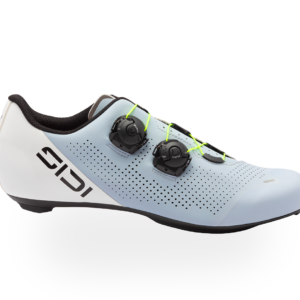
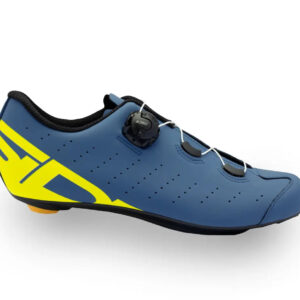
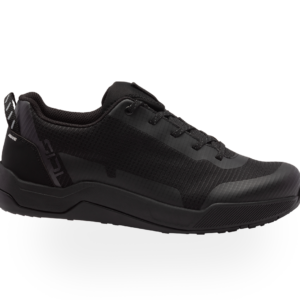
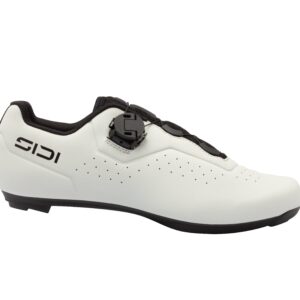
Cycling clothing is designed around the position, movement and changing conditions of riding. The right choice depends on more than the season: how hard you ride, how long you are out, whether you ride on roads or trails, and how much weather protection you need all affect which garments will be useful. A close-fitting jersey may suit a fast road ride, while a more relaxed top can feel more at home on casual rides or off-road routes.
Many riders build an outfit in layers. A base layer manages moisture next to the skin, a jersey or mid-layer provides adaptable insulation, and an outer layer helps shield you from wind or rain when conditions call for it. Shorts, tights, gloves and socks also affect comfort, but fit and construction matter as much as the garment name. For example, the padding in cycling shorts needs to sit correctly when you are on the saddle, not just feel comfortable while standing.
On SuperBike8 you can compare cycling clothing products and retailer offers. Use the product details to check the garment’s intended use, cut, fabric, features and available size or colour. Once you choose an offer, you continue to the retailer. Ordering, payment, delivery, returns, warranty and customer service are handled directly by that retailer.
Start with your rides and the conditions
Think about the rides you actually do before comparing technical details. Clothing for a short summer commute has different priorities from kit for a long sportive, a wet winter training ride or a day exploring gravel tracks. The more time you spend riding, the more small fit issues, damp fabric or poorly placed seams can become noticeable.
Consider the usual pace and effort of your rides, too. A hard effort produces more body heat than a gentle ride, so a heavily insulated garment that feels cosy at the start may become uncomfortable once you warm up. Conversely, a lightweight jersey may not provide enough protection for a slow ride in cold, exposed conditions. Layering lets you adapt more easily: you can add or remove a layer as your effort and the weather change.
| Riding situation | Useful priorities | Points to check |
|---|---|---|
| Short commutes and everyday riding | Comfort across a range of effort levels, easy-care fabrics and practical weather coverage | Whether the fit works over everyday layers, and whether cuffs or hems interfere with movement |
| Road rides and sportives | A stable fit in a forward riding position, breathable fabrics and pockets that remain accessible | How close the cut is, whether the hem stays in place and whether the garment suits the expected conditions |
| Trail and gravel riding | Freedom of movement, durable-feeling construction and room for any protective layers you use | Whether a relaxed cut catches on equipment, and whether fabric coverage suits exposed or overgrown routes |
| Cold or changeable weather | Adjustable layers, suitable insulation and protection where wind or rain is most exposed | Packability, ventilation and whether the garment is water-resistant or intended to provide more substantial rain protection |
Build a practical layering system
Base layers and moisture management
A base layer sits next to your skin and can help move sweat away from it, making it easier to manage comfort as you warm up. The right weight depends on temperature, effort and what you wear over it. A lightweight option may suit warmer conditions or high-intensity riding; a warmer base layer can add insulation for colder days. A thick base layer beneath several warm garments can be too much if your ride involves sustained climbing or hard efforts.
Fabric choice affects feel, drying and care. Synthetic fabrics are commonly chosen for their ability to dry relatively quickly, while merino wool is valued by some riders for its feel and temperature regulation. The specific fabric blend and construction matter, so check the garment description and care instructions rather than relying on the material name alone. Wool garments may need gentler care than some synthetic options.
Jerseys and mid-layers
A cycling jersey is often the main upper-body layer in mild or warm weather. Many designs use a close cut to reduce excess fabric in the riding position, with pockets for carrying small ride essentials. Other tops have a looser fit that may suit trail riding or casual use. Neither cut is automatically right for everyone: check how the garment is intended to sit and whether you prefer a streamlined or more relaxed feel.
Look at where the hem and sleeves sit when you lean forward and reach for the bars. A jersey that rides up or pulls across the shoulders while standing may be uncomfortable on the bike. Zips can help you release heat on climbs, while cuffs and hems influence how securely the garment stays in place. Pocket layout and capacity are worth checking if you carry food or other small items in your clothing.
Jackets, gilets and rain protection
Outer layers serve different purposes. A wind-resistant gilet can provide extra coverage over the torso while leaving the arms less insulated, and may be convenient to take off when conditions improve. A cycling jacket can offer broader protection, but warmth, breathability, packability and weather resistance vary between designs. For wet-weather riding, check the product description carefully: water-resistant fabric, a showerproof finish and a garment designed for sustained rain are not necessarily equivalent.
More protective fabrics can feel less airy during hard efforts, so consider how you will use the garment. If you expect to ride in changeable conditions, ventilation and the ability to pack the layer away may be priorities. Check how the collar, cuffs and hem are shaped, since these areas affect comfort and how well the garment works over other layers. Do not assume that every cycling jacket is fully waterproof or that a particular seam construction is present unless the product details say so.
Shorts, tights and comfort on the saddle
Cycling shorts and tights are designed to work with a bent-leg pedalling motion. A close fit can help reduce fabric movement, while the fabric’s stretch and seam placement affect freedom of movement and comfort. Bib shorts use shoulder straps to hold the shorts in position without relying on a waistband; waist shorts are simpler to put on and may be preferred for convenience. The best format depends on your preference, body shape and how the garment feels during a ride.
Many cycling shorts include a padded insert, often called a chamois. Its shape, thickness, density and construction differ between products, and more padding is not automatically more comfortable. The insert needs to sit in the right place when you are riding. A poor fit, wrinkling fabric or an insert that shifts can cause rubbing, particularly on longer rides. Check the intended use and garment fit, and remember that padded cycling shorts are generally worn next to the skin rather than over ordinary underwear, unless the manufacturer advises otherwise.
Tights can provide extra coverage and insulation in cooler conditions. Some are designed to be worn over shorts, while others include their own padded insert; check which type you are comparing. Leg length, ankle opening and any foot or heel loops can affect how the garment sits with socks and shoes. If you plan to wear tights over padded shorts, ensure the layering does not create uncomfortable seams or excess bulk.
Gloves, socks and smaller comfort details
Gloves can help manage grip, comfort and exposure to wind or cold. Short-finger styles are often chosen for warmer conditions, while full-finger designs provide more coverage. Winter gloves may add insulation or weather protection, but thicker construction can affect how your hands feel on the controls. Check that gloves allow you to operate brake and gear levers comfortably and that the cuff works with your jacket sleeve.
Cycling socks are made in different lengths, thicknesses and fabrics. A thin sock can suit close-fitting cycling shoes, while a warmer or more cushioned style may work better in cooler conditions or roomier footwear. Consider how the sock fits inside your shoe: adding thickness can make a snug shoe feel too tight and may reduce comfort. Seams and cuff height can also matter, especially if they rub or leave an irritating pressure point.
Small details such as zip guards, pocket closures, reflective elements and adjustable cuffs can make a garment more useful for a particular ride. Reflective details can help you be more noticeable when light is poor, but they do not replace suitable lights or other visibility measures. Think about where and when you ride rather than treating a single feature as a complete solution.
Fit, sizing and materials
Cycling clothing sizes vary between manufacturers and sometimes between garment ranges from the same manufacturer. Do not assume that a medium in one brand will fit like a medium in another. Use the size chart provided for the specific product, and check which body measurements it uses. Chest, waist, hip and inside-leg measurements can all be relevant, depending on the garment.
Fit descriptions such as race, performance, regular or relaxed are useful starting points, not universal sizing standards. A close-fitting jersey may feel restrictive when standing but sit correctly in a riding position; equally, a cut that is too tight can limit movement or make layers uncomfortable. If you are between sizes, compare the stated fit and measurements with how you want to wear the garment. Allow for any layers underneath, but avoid sizing up so far that excess fabric flaps or catches.
For shorts and tights, check the waist or bib construction, leg length and how the garment is expected to fit around the thighs. For jackets, consider whether there is room for a base layer and jersey beneath. Product photographs can help you understand the cut, but they cannot replace the measurements or fit guidance for the particular model.
Fabric affects stretch, breathability, drying time, warmth, durability and care. A lightweight fabric may feel cooler but offer less protection from abrasion or wind than a heavier construction. Reinforced panels, where specified, may be useful in areas exposed to wear, but can add bulk. Read care labels and product descriptions: frequent high-temperature washing, fabric softener or tumble drying may be unsuitable for some technical materials and can affect their properties.
| Garment feature | When it can help | Possible trade-off |
|---|---|---|
| Close-fitting cut | Road riding or a forward position where loose fabric may move around | Can feel too restrictive if the size or intended fit does not suit you |
| Water-resistant outer fabric | Changeable conditions or brief exposure to light rain, depending on the product | May not provide the same protection as a garment intended for sustained rain |
| Padded shorts insert | Longer rides where a correctly positioned insert can improve comfort on the saddle | Shape and thickness are personal; extra padding is not always better |
| Insulating layer | Cold conditions, low-intensity rides or exposed routes | Can lead to overheating during hard efforts or milder weather |
Care, wear and getting more from your clothing
Follow the care label for each garment, since washing instructions differ by fabric and construction. Promptly washing clothing after sweaty rides can help prevent persistent odours and residue. Fasten zips and hook-and-loop closures where appropriate, and separate garments from items that could snag delicate fabrics. Avoid assuming that all technical clothing can be treated in the same way.
Check shorts for thinning fabric, damaged seams or a worn insert, and inspect gloves and jacket cuffs for wear where they contact equipment. The usable life of a garment depends on how often and how it is ridden, washed and stored. A well-maintained item may remain comfortable, but visible wear, loss of fit or damage to protective features can be a reason to replace it.
Previous-year colourways or model versions may sometimes be offered at different prices, but similar names do not guarantee identical fabrics, pockets, fit or construction. Compare the exact product version and its specifications rather than relying on the model name alone. Colours and sizes can also have different prices between retailer offers, so check that you are comparing the same garment and size.
Compare cycling clothing offers carefully
On SuperBike8 you can compare available products and retailer offers without assuming that every retailer lists the same sizes or colours. Before choosing, check the exact product name, garment type, fit description, fabric details and any included items. This is particularly important when comparing a jacket with a jacket-and-layer bundle, or padded tights with an unpadded pair.
Retailers may price colours, sizes and previous-year versions differently. Delivery costs and other retailer-specific terms can affect the overall value, so review the offer details before proceeding. Once you have picked an offer, you continue to the retailer; ordering, payment, delivery, returns, warranty and service are handled directly by that retailer.
Typical cycling clothing buying mistakes
- Choosing a garment by season alone, without considering riding intensity, exposure and how easily you can add or remove layers.
- Assuming the same labelled size will fit consistently across different manufacturers or product ranges.
- Buying a close-fitting jersey without checking how its cut works in your riding position.
- Choosing shorts based only on the amount of padding, rather than insert shape, position and overall fit.
- Confusing water-resistant fabric with clothing intended to provide more substantial rain protection.
- Buying tights without checking whether they include a padded insert or are intended to go over cycling shorts.
- Adding thick socks to close-fitting shoes without considering the effect on shoe comfort and fit.
- Comparing different product versions, colours or bundles as though they were identical.
- Ignoring care instructions that may affect fabric performance, shape or durability.
- Expecting reflective details to replace appropriate lights and other visibility measures in poor light.
Three typical buying decisions for Cycling Clothing
1. A versatile outfit for commuting and everyday rides
If your rides vary in pace and weather, prioritise comfortable layers that work together rather than one heavily insulated outfit. Check whether the fit accommodates everyday layers, whether outerwear can be adjusted or packed away, and whether the fabrics suit your care routine. Practical coverage and ease of movement may matter more than a race-oriented cut.
2. Close-fitting kit for road rides and sportives
For longer road rides, focus on how a jersey and shorts fit in a forward position. Check hem stability, pocket layout, sleeve and leg length, and the position and shape of the shorts insert. If you ride in changeable conditions, choose an outer layer that suits the weather you expect without making hard efforts uncomfortably warm.
3. Layers for cold, wet or changeable conditions
Start with the amount of insulation you need at your usual riding effort, then add suitable wind or rain protection for exposed parts of the route. Check product descriptions carefully to distinguish the level of weather protection, and consider ventilation and packability. Make sure gloves, cuffs and other layers work together without restricting movement or control.
Your checklist before you order
- Does the garment suit your usual riding style, duration and effort?
- Is it intended for the weather and season in which you will use it?
- Have you checked the product’s exact fit description and manufacturer size chart?
- Have you measured the relevant parts of your body using the chart’s instructions?
- Will the garment fit comfortably in your riding position and over any planned layers?
- For shorts or tights, have you checked whether a padded insert is included?
- Does the garment’s fabric offer the breathability, warmth or weather protection you need?
- Have you checked the difference between water resistance and more substantial rain protection?
- Will pockets, cuffs, hems and zips work for your rides?
- Are gloves and socks suitable for your controls, shoes and expected conditions?
- Have you read the garment’s care instructions?
- Are you comparing the same product version, size, colour and included items?
- Have you checked retailer-specific delivery costs and offer details?
- Are you comfortable continuing to the retailer for ordering and any follow-up service?
Frequently asked questions about Cycling Clothing
How should cycling clothing fit?
It depends on the garment and how you ride. A road jersey may be designed to fit closely in a forward position, while trail or everyday clothing can have a more relaxed cut. Use the specific manufacturer’s size chart and consider how the garment feels when you move as you would on the bike.
What should I wear for changeable British weather?
A layering system is often easier to adapt than one thick garment. Combine layers according to temperature and effort, and carry an outer layer if conditions may change. Check the product description to understand whether it provides wind resistance, water resistance or more substantial rain protection.
Do cycling shorts need to be worn without underwear?
Padded cycling shorts are generally designed to be worn next to the skin, which helps the insert sit as intended and reduces extra fabric that could rub. Check the garment information if the manufacturer gives different guidance.
Are bib shorts better than waist shorts?
Neither style is best for every rider. Bib shorts use straps to hold the shorts in place without a conventional waistband, while waist shorts can be simpler to put on and take off. Fit, comfort and personal preference should guide your choice.
Are all cycling jackets waterproof?
No. Cycling outerwear can range from wind-resistant layers to garments designed for more sustained rain. Check the specific product description and construction rather than assuming that a jacket provides a particular level of water protection.
How do I compare cycling clothing prices on SuperBike8?
Compare the exact garment, version, size, colour and included items, then check retailer offer details and any delivery costs. Once you choose an offer, you continue to the retailer. Ordering, payment, delivery, returns, warranty and customer service are handled directly by that retailer.