Superbike8.co.uk – The ultimate bike search engine and price comparison site

Superbike8.co.uk – The ultimate bike search engine and price comparison site
Bikes

Bikes are built around different riding positions, surfaces and priorities. A road bike is designed for efficient progress on tarmac, while a city bike may prioritise an upright position and practical equipment. Read more
Showing 61–72 of 102 results
-
-
-
 Cube
Cube Nuroad C:62 ONE – 28″ – Diamond – 2026
View DetailsDiamond · 28" · 12-speed · 9.3 kg1.999,00 £ -
 Trek
Trek Marlin 7 Gen 3 – 27.5″ – Diamond – 2026
View DetailsDiamond · 27.5" · 12-speed1.000,00 £ -
 Specialized
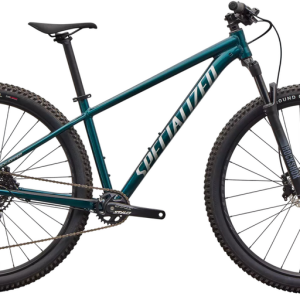
 Rockhopper Expert 29 – 29″ – Diamond – 2026
View DetailsDiamond · 29" · 12-speed · 13.1 kg999,00 £ -
 Merida
 One-Forty 400 – 29″ – Full suspension
View DetailsFull-sus · 29" · 11-speedPrice range: 1.649,00 £ through 1.699,99 £ -
-
-
-
-
-
 Specialized
 Crux Comp – 28″ – Diamond – 2026
View DetailsDiamond · 28" · 12-speedPrice range: 2.999,00 £ through 3.999,00 £
Gravel, cross and mountain bikes suit rougher surfaces in different ways, and youth bikes are sized for younger riders. Choosing between them starts with being honest about where you will ride most and what you need the bike to do.
Details such as tyre clearance, gearing, brakes, frame geometry and mounting points can matter as much as the broad category name. Two bikes that look similar may differ in comfort, handling and suitability for luggage or rough tracks. Frame size also needs careful attention: labels such as S, M and L are not consistent between manufacturers, so the geometry and sizing guidance for the specific model should inform your choice.
SuperBike8 is a price comparison site where you can compare bikes and retailer offers. Use the category links below to narrow your search, then check that each offer is for the same model, size and specification before comparing prices. Once you choose an offer, you continue to the retailer; ordering, payment, delivery, returns, warranty and customer service are handled directly by that retailer.
Find the right type of bike for your riding
The category includes several distinct types of bike. These labels are a useful starting point, but models within the same type can still differ in geometry, components and intended use. If you already know what kind of riding you do, exploring the relevant category can make comparisons more focused.
| Bike type | Often suits | What to compare |
|---|---|---|
| All-Road Bikes | Riders who want one bike for tarmac and a variety of less-smooth roads. | Tyre clearance, gearing, comfort and any practical mounting points. |
| City Bikes | Urban journeys and everyday riding, where an accessible position and useful equipment may be priorities. | Riding position, mudguards, luggage options, gearing and braking. |
| Cross Bikes | Mixed routes and riders looking for a versatile bike between road and off-road use. | Tyres, riding position, braking and whether the equipment fits your regular journeys. |
| Cyclocross | Cyclocross racing and fast riding on varied, often muddy courses. | Handling, gearing, tyre clearance and how practical the bike is for your use beyond racing. |
| Endurance Road Bikes | Longer road rides and sportives, with comfort and a sustainable riding position in mind. | Geometry, gearing, tyre clearance and fit over longer distances. |
| Gravel Bikes | Unpaved tracks, gravel roads and mixed-surface rides. | Tyre clearance, gearing for climbs, comfort and provision for bags or mudguards. |
| Mountain Bikes | Off-road riding on trails, where traction, control and suitable suspension may be important. | Suspension design, tyres, brakes, frame fit and the terrain the bike is intended for. |
| Race Road Bikes | Fast road riding and riders who prefer a more performance-focused position. | Geometry, gearing, wheel and tyre specification, and how the position feels for your flexibility and riding style. |
| Youth Bikes | Younger riders who need a bike sized and equipped appropriately for them. | Wheel and frame sizing, reach to the controls, weight and suitability for the rider’s experience. |
Start with your routes and riding position
Think about your usual journeys rather than the most demanding ride you might do once a year. A bike for smooth roads and regular faster group rides may call for a different position and tyre setup from one used for commuting through town or exploring rough lanes. If your routes vary, consider which compromise you would prefer to live with: a more road-focused bike can feel less accommodating on rough surfaces, while a more versatile setup may not feel as focused for fast road riding.
Riding position affects comfort, control and how easily you can look around in traffic. A more upright position can feel natural for shorter urban journeys and give a clear view of the road. A lower, more extended position may suit riders looking for an efficient road stance, but it should feel manageable rather than forcing you to overstretch. On longer rides, small fit issues can become more noticeable, so avoid treating an aggressive position as automatically better.
Ask how much time you expect to spend on unpaved routes. For gravel, all-road and cross riding, tyre clearance can be more useful than a small reduction in frame weight: it affects the width of tyre you can fit and therefore your options for comfort and grip. Check the manufacturer’s stated clearance and the tyre size supplied with the exact bike. Do not assume that two models in a similar category accept the same tyres.
Frame size and fit
A suitable frame size helps you reach the bars and controls comfortably and maintain a stable position. Manufacturers use different sizing systems and geometry, so an S in one range may not fit like an S from another. Use the size chart for the specific model and take your height and inside-leg measurement as starting points, not as guarantees.
Reach describes the horizontal relationship between the saddle area and the handlebars, while stack describes the vertical height of the front of the frame. These measurements can help explain why bikes with the same nominal size feel different. Your flexibility, proportions and preferred riding position matter too. If you are between sizes, compare the geometry and consider whether you want a more compact or more stretched position; do not choose solely by the size label or by the wheel size.
For a youth bike, a child should be able to reach the brakes and steering controls comfortably. Choosing a much larger bike for them to grow into can make it harder to control in the meantime. Check the product’s intended size range and, where possible, have the young rider try a correctly set-up bike.
Frame materials, comfort and durability
Aluminium is commonly used for bike frames and can offer a practical balance of weight, stiffness and durability. The way a bike rides depends on its frame design and components as well as the material, so the material name alone does not tell you how comfortable or responsive a particular model will feel. Aluminium frames can be a sensible choice for everyday use, but check the full specification and intended use rather than assuming all frames are alike.
Carbon fibre can be used to shape a frame for particular stiffness and comfort characteristics and may help reduce overall weight. It is not automatically the right option for every rider: cost, the complete bike specification and how it will be used all matter. Steel and other frame materials also have their own design trade-offs. Compare the actual bike, its fit and equipment rather than ranking materials in isolation.
Comfort also comes from contact points and tyres. Saddle shape, handlebar width, bar reach, tyre volume and pressure all affect how a bike feels. Some parts can be adjusted or changed later, but a frame that is the wrong size is not easily corrected by fitting different accessories. Prioritise the fundamental fit first, then consider components that can be tuned to your preferences.
Gearing, brakes and components
Choose gearing for the steepest climbs and the speed at which you realistically ride. A wide-range cassette can make steep hills or riding with luggage easier, while closer gear steps can help maintain a steady cadence on flatter roads. Check the number of chainrings and the cassette range on the specific bike; the broad category does not guarantee a particular setup. If you ride hills regularly, a gear that is too hard can make a bike tiring even if its other parts seem suitable.
Disc brakes are common on many modern bikes, but the precise brake type and specification vary. They can offer consistent braking in varied conditions when correctly maintained. Rim brakes are also found on some bikes and may be straightforward to service, but their performance and maintenance needs differ. Compare the complete braking system, including the brake model and rotor size where listed, rather than treating the presence of disc brakes as the only measure of suitability.
Wheels, tyres and drivetrain parts influence how the bike performs and what may cost more to replace over time. A more expensive component level is useful only if it gives you features you need, such as a preferred gear range or a more suitable braking setup. Check whether the listed specification matches the product images and description, as components can vary between model versions or production years.
Practical equipment and carrying options
For regular riding in changeable UK weather, mudguards can help reduce spray, while lights and reflective details can be useful for visibility. Some bikes include practical equipment and others are sold in a more minimal specification. If you need mudguards, a rack or a kickstand, check whether the frame has suitable mounts and whether the retailer’s listing says those parts are included. A mounting point does not necessarily mean an accessory comes with the bike.
For touring or everyday carrying, make sure the intended luggage system is compatible with the frame and the type of ride you plan. A bike designed for racing may have fewer practical mounting options than one intended for longer mixed-surface rides. Do not assume that a standard pannier rack, mudguard or bottle cage will fit every frame: attachment points, tyre clearance and component design can affect compatibility.
Compare model versions and retailer offers
Retailers can list different prices for the same bike, and discounts may vary by size or colour. Previous-year models or older colourways can sometimes be less expensive while still offering the features you need. However, a familiar model name does not guarantee an identical specification from one year to another. Compare the frame, drivetrain, brakes, wheels and supplied accessories against the exact listing.
When comparing offers on SuperBike8, make sure you are looking at the same model year, frame size, colour and component version. Check whether an offer is for a complete bike or a bundle, and read what is included. Delivery costs can affect the total price. Bikes may arrive partially assembled; check the retailer’s information for the assembly required and what is included with that offer.
SuperBike8 helps you compare products and retailer offers, but it does not sell or fulfil bikes. After choosing an offer, you continue to the relevant retailer. The retailer handles the order, payment, delivery, returns, warranty and customer service, so check its terms and product details before proceeding.
Typical mistakes when choosing a bike
- Choosing by category name alone: two gravel or road bikes can have notably different geometry, tyre clearance and component setups. Check the specification and intended use.
- Buying the wrong size: do not assume that size labels match across manufacturers. Use the model-specific size chart and compare geometry where available.
- Ignoring your regular terrain: a fast road-focused bike may not be comfortable on rough tracks, while an off-road setup may be more than you need for smooth urban journeys.
- Overlooking gearing: check that the low gears suit your local climbs and any luggage you expect to carry.
- Assuming accessories are included: confirm whether mudguards, lights, a rack or other pictured parts are part of the offer.
- Comparing different versions as if they were identical: confirm model year, size, colour and components before judging price differences.
- Forgetting delivery and assembly details: check the retailer’s offer information to understand any additional costs and how the bike is supplied.
Three typical buying decisions for Bikes
1. One bike for road rides and rougher lanes
If your regular routes mix tarmac with gravel or uneven country lanes, compare gravel, all-road and cross bikes by tyre clearance, gearing and riding position. Wider compatible tyres can offer more comfort on rough surfaces, while a less aggressive position may work better for longer mixed rides. Check the model’s specified tyre limits and whether practical mounts are available if you want mudguards or luggage.
2. A bike mainly for fast road riding
For mostly smooth roads, decide whether you value a performance-focused position or a more relaxed setup for longer rides. Compare race road and endurance road models for geometry, gearing and tyre clearance, then check the size chart for the exact frame. A bike that feels comfortable for the duration of your rides is a better match than one chosen only for its category label or component level.
3. An everyday or youth bike with a suitable fit
For regular urban journeys, look closely at position, braking, gearing and the practical equipment you need, such as mudguards or luggage options. For a younger rider, put correct sizing and manageable controls first rather than buying a frame that is too large to grow into. In either case, confirm what is included in the retailer offer and compare the same specification across listings.
Your checklist before you order
- Does the bike type match the surfaces and journeys you ride most often?
- Have you checked the manufacturer’s size chart for the exact model?
- Does the frame geometry suit your preferred riding position and reach?
- Are the gears suitable for your local hills, pace and any luggage?
- Is the tyre clearance appropriate for your intended surfaces and tyre choice?
- Are the brakes and their specification suitable for your riding conditions?
- Are mudguards, lights, a rack or other practical accessories included or compatible?
- For a youth bike, can the rider reach the controls and manage the bike comfortably?
- Are you comparing the same model year, frame size, colour and component version?
- Is the offer for a complete bike rather than a component or bundle with different contents?
- Have you checked delivery costs and the retailer’s assembly information?
- Have you reviewed the retailer’s terms for ordering, returns, warranty and customer service?
Frequently asked questions about Bikes
How do I choose the right type of bike?
Start with the surfaces you ride most and how you want the bike to feel. Road bikes suit tarmac-focused riding, while gravel and all-road bikes are intended to handle a broader mix of surfaces. City bikes and youth bikes address different everyday and sizing needs. Compare the details of individual models rather than relying on category names alone.
How do I know what bike size I need?
Use the manufacturer’s size chart for the exact model, with your height and inside-leg measurement as starting points. Sizes differ between manufacturers, and geometry measurements such as reach and stack can help explain differences in fit. If you are uncertain, ask the retailer about the specific bike before choosing an offer.
What should I compare when looking at bike prices?
Check that listings match in model year, size, colour, components and included accessories. Compare delivery costs as well as the listed price, and confirm whether the offer is for a complete bike or a bundle. Retailers may discount particular colours or sizes differently.
Are previous-year bikes worth considering?
They can be worth comparing if the fit, features and specification suit you, and older colourways or model years may be discounted. Do not assume the components are unchanged just because the model name is similar; check the exact retailer listing against the version you want.
Does SuperBike8 sell or deliver bikes?
No. SuperBike8 is a price comparison site where you can compare bikes and retailer offers. When you choose an offer, you continue to the retailer, which handles ordering, payment, delivery, returns, warranty and customer service.