Superbike8.co.uk – The ultimate bike search engine and price comparison site

Superbike8.co.uk – The ultimate bike search engine and price comparison site
All-Road Bikes

All-road bikes are designed to cover more than smooth tarmac. They generally combine the pace and drop-bar riding position associated with road bikes with practical features for rougher lanes, towpaths and light gravel. Read more
Showing 13–21 of 21 results
-
-
-
-
-
-
-
-
-
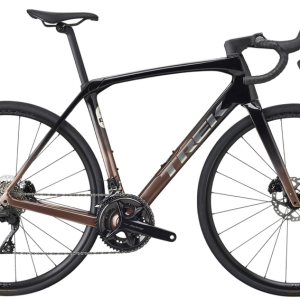 Trek
Trek Domane SL 5 Gen 4 – 28″ – Diamond – 2026
View DetailsDiamond · 28" · 24-speedPrice range: 2.199,00 £ through 2.800,00 £
The term is not a tightly standardised technical category, so details such as tyre clearance, geometry and mounting points vary between manufacturers. Check the specification of each bike rather than relying on the name alone.
The right choice depends on where you ride most. A bike with a sportier position and narrower tyres may suit fast road rides that occasionally take in broken surfaces, while a model with room for wider tyres and a more relaxed fit can be better for long days on mixed routes. Gearing, braking, luggage options and the potential to fit mudguards can also affect how useful the bike is throughout the year.
On SuperBike8 you can compare available bikes and retailer offers. Check that you are comparing the same model, year, size and specification, as colourways and components can differ. Once you have picked an offer, you continue to the retailer; ordering, payment, delivery, returns, warranty and customer service are handled directly by that retailer.
What makes an all-road bike different?
All-road describes a versatile approach to road riding rather than one fixed frame design. Many examples use drop handlebars, a rigid frame and fork, and road-style wheels, but are built to cope with a broader range of surfaces than a dedicated race bike. The defining point is usually the balance between efficient progress on tarmac and enough comfort, control or tyre capacity for less predictable roads.
There is overlap with several other bike types. An endurance road bike often prioritises comfort over long distances on tarmac, while a gravel bike may provide more clearance and be intended for rougher tracks. An all-road model can sit between those uses, but the boundaries are not universal. Compare actual geometry, tyre limits and equipment. You can also compare the listings in Endurance Road Bikes, Gravel Bikes and Race Road Bikes to see which design is closer to your riding.
| Riding priority | Features to look for | Potential trade-off |
|---|---|---|
| Mostly tarmac, with occasional rough lanes | Road-oriented geometry, efficient tyres and enough clearance for the surfaces you use | A more road-focused set-up may feel less composed on loose or deeply rutted tracks |
| Long rides on varied roads | A comfortable fit, sensible gearing and room for a tyre suited to broken surfaces | A relaxed set-up may feel less responsive to riders seeking a very low, race-style position |
| Regular gravel or rough tracks | Confirm the approved tyre width, wheel suitability, braking and control on loose ground | A bike with limited clearance or road-focused gearing may restrict where you ride comfortably |
| Year-round riding and commuting | Check for mudguard and luggage mounts, durable components and practical tyre options | Accessories may need to be bought separately, and added equipment increases weight |
Tyres, clearance and wheel choice
Tyres have a large effect on comfort, grip and rolling feel. A narrower, smoother tyre can feel quick on clean tarmac, while a wider tyre can offer more cushioning and control on coarse roads when used at an appropriate pressure. Tread also matters: pronounced knobs may help on loose ground but can feel slower and noisier on paved routes. Consider the surfaces you actually ride, rather than choosing the widest or most aggressive option by default.
Check the manufacturer's stated maximum tyre size and any conditions attached to it. The space available can depend on the frame, fork, wheel and tyre casing, and actual measured width can differ between tyre models and rims. Allowance for mud, debris and a fitted mudguard may reduce the usable space. Do not assume that two bikes with similar-looking frames can accept the same tyres.
Wheel size and rim compatibility are part of the same decision. Many all-road bikes use 700c wheels, but the exact set-up depends on the model. Before planning a second wheelset or changing tyres, confirm that the wheel, axle, brake and frame standards match. If the bike has disc brakes, a replacement wheel must also suit the brake rotor fitting and the frame's axle system.
Frame geometry and getting the fit right
Geometry influences how an all-road bike feels over a full ride. A longer reach and lower handlebar position can create a stretched, aerodynamic stance, but may be uncomfortable if your flexibility or riding style does not suit it. A more upright position can make it easier to look around in traffic and spend several hours in the saddle, though it may feel less aggressive when riding fast with a group.
Do not choose a frame size by height alone. Manufacturers use different sizing systems and their size labels are not directly interchangeable. Check the specific maker's size chart and, where available, compare measurements such as reach and stack with a bike that fits you well. Inseam length can help assess stand-over clearance, but it does not by itself determine handlebar reach or saddle position. A professional bike fit can be useful if you are unsure, have persistent discomfort or are choosing between sizes.
Also check the adjustment range. Saddle height and fore-aft position, stem length and handlebar shape all affect fit, but they cannot make every frame size suitable. A small adjustment may refine a good fit; it is not a substitute for choosing the right frame. If possible, arrange a test ride or ask the retailer about the fit and set-up support available for the specific model.
Gearing and brakes for mixed routes
Think about the steepest climbs and the speeds you tend to ride, not just the number of gears. Lower ratios make climbing easier, especially if you carry a bag or regularly ride hilly routes. Closer gear steps can help maintain a steady cadence on flatter roads. The range depends on the chainrings and cassette together, so check both components rather than comparing gear counts alone.
Road-oriented gearing may suit riders whose routes are mostly paved and relatively fast. If your rides include steep lanes, loose climbs or loaded touring, a lower climbing gear can be more useful than a high top gear you rarely use. Consider how the bike will be ridden and whether the gearing can be changed later without compatibility issues.
Disc brakes are common on versatile bikes, but the exact braking system and rotor specification vary. Their performance depends on the complete system, condition and set-up, not merely the presence of a disc. Check that replacement pads and other consumables are practical to obtain, and follow the manufacturer's maintenance guidance. If you plan to swap wheels, confirm that the rotors and axle standards are compatible.
Frame material and component specification
All-road frames commonly use aluminium or carbon fibre, with steel also found in some designs. The material name alone does not tell you how comfortable or durable a complete bike will be: tube design, frame geometry, fork construction, tyres and contact points all contribute to how it rides.
Aluminium can offer a practical balance of stiffness, durability and cost. The way a particular frame is shaped affects its ride, so avoid assuming that all aluminium bikes feel alike. Carbon fibre allows manufacturers to vary the construction and shape of the frame, but it is not automatically the right choice for every rider. Check the full specification and care guidance, especially if the bike will be used on rough ground or carried on a vehicle rack.
Steel is valued by some riders for its repairability and distinctive ride characteristics, but frame weight and corrosion care depend on the design and finish. Whatever the material, inspect the overall build: fork, wheels, drivetrain, brakes, finishing kit and provisions for accessories. A higher-priced frame paired with components that do not suit your routes may be a less useful purchase than a well-matched complete specification.
Compare component names and model levels carefully. Similar-looking bikes can differ in drivetrain, wheelset, brakes or finishing kit, and components may change between model years or sizes. A lighter or more expensive part is not automatically an upgrade for your riding. Prioritise dependable shifting, suitable gearing, easy-to-source wear parts and a comfortable saddle and handlebar shape.
Mounts, mudguards and everyday practicality
If you ride in changeable weather, check whether the bike has proper mudguard mounts and enough clearance with the tyres you intend to use. Some frames accept full-length guards, some are designed for clip-on options, and some offer limited fittings. Do not assume that a bike described as all-road is ready for every accessory.
For commuting, touring or carrying tools and supplies, look for the mounts you need on the frame and fork. Check the manufacturer's stated limits and advice before fitting racks or loading the bike. A small saddle bag or frame bag may suit occasional rides, while regular luggage can make dedicated mounting points more valuable. If your route includes busy roads, a bell, lights and dependable braking are practical considerations; check what is included rather than assuming accessories come with the bike.
For wet-weather use, mudguards help reduce spray, while suitable tyres and regular cleaning can make a bigger difference to comfort and component life than a premium finish. After riding on wet or dirty roads, clean the drivetrain and check for wear, particularly if shifting or braking performance changes. Use products and maintenance intervals recommended by the component manufacturers.
How to compare all-road bike offers
On SuperBike8, retailer offers can differ in price, availability, colour and size. Start by matching the exact model name and model year. Then compare the frame size, colour and specification, including drivetrain, brakes, wheels and included accessories. A similar name does not guarantee that two listings describe the same build.
Check the full price and any delivery costs shown by the retailer before making a decision. A discounted previous-year model may be attractive if its specification and size suit you, but technical changes can occur between years even where the model name remains similar. Compare the actual components and frame details rather than assuming an older version is identical.
Also check whether the offer is for a complete bike or a particular component or bundle, and read the retailer's product information for what is included. Bikes may be delivered partly assembled; the retailer's listing should explain what assembly is required and what support is available. SuperBike8 helps you compare products and retailer offers, but the retailer handles ordering, payment, delivery, returns, warranty and customer service.
Typical all-road bike buying mistakes
- Choosing by category name alone instead of checking tyre clearance, geometry and intended surfaces.
- Buying a frame size based only on height without consulting the manufacturer's chart or considering reach and stack.
- Assuming a wider tyre will fit because another model in the range accepts it.
- Overlooking clearance needed for mudguards, mud and debris.
- Choosing high road gearing that makes regular steep climbs unnecessarily difficult.
- Paying extra for a lightweight component when fit, tyres or practical accessories matter more for your rides.
- Assuming the bike includes pedals, mudguards, racks or lights without checking the retailer's specification.
- Comparing offers for different model years or component builds as though they were identical.
- Planning a wheel or drivetrain upgrade without checking axle, brake, freehub and component compatibility.
- Ignoring delivery costs and the retailer's information about assembly before selecting an offer.
Three typical buying decisions for All-Road Bikes
1. Mostly paved rides with the occasional rough lane
Prioritise a comfortable road-focused fit, efficient tyres and enough clearance for the roughest surfaces you regularly encounter. You may not need the widest possible tyre or the most extensive luggage mounts. Confirm that the bike still has the gearing and braking you want for your local hills and weather.
2. Long mixed-surface rides and weekend exploring
Look for the tyre clearance and gearing that match your routes, along with a position you can sustain for several hours. If a route includes loose or uneven sections, control and tyre suitability are likely to matter more than a small difference in component weight. Check whether the frame can take the bags or guards you plan to use.
3. One bike for year-round riding and commuting
Prioritise practical compatibility: mudguard mounts, appropriate clearance, durable components and a fit that works with everyday clothing and a more upright view of the road. Compare the cost of any accessories you will need, and make sure the chosen model's mounts and retailer specification meet your requirements.
Your checklist before you order
- Does the bike's intended use match the roads and tracks you ride most?
- Have you checked the exact tyre size and maximum clearance stated by the manufacturer?
- Will the intended tyres leave room for mudguards and normal road debris?
- Have you checked the manufacturer's size chart for the exact model?
- Do reach, stack and the riding position suit your body and preferred posture?
- Is the lowest gear suitable for the steepest climbs on your regular routes?
- Are the drivetrain, brakes and wheels the same as those in the offer you are comparing?
- Will the bike accept the mudguards, racks or bags you plan to fit?
- Have you checked wheel, axle, brake and drivetrain compatibility before planning upgrades?
- Is the listing for a complete bike, and are pedals and other accessories included?
- Are you comparing the same model year, size and colour across retailer offers?
- Have you checked any delivery costs and the retailer's assembly information?
- Have you read the retailer's terms for ordering, delivery, returns and warranty?
Frequently asked questions about All-Road Bikes
What is an all-road bike?
An all-road bike is generally a drop-bar bike intended to ride efficiently on tarmac while coping with rougher roads and some mixed surfaces. The term is not standardised, so compare the specific bike's geometry, tyre clearance, gearing and mounting points.
How is an all-road bike different from a gravel bike?
The categories overlap. Gravel bikes may be designed with more capacity for wider tyres and rougher tracks, while some all-road bikes lean more towards paved riding. These are not fixed rules: check the manufacturer's intended use, approved tyre sizes and geometry for each model.
Can I use an all-road bike for commuting?
Many can suit commuting, especially if their fit is comfortable for regular rides and the frame accepts the mudguards or luggage you need. Check the individual bike for accessory mounts, tyre clearance and what is included in the offer; practical equipment may need to be purchased separately.
How do I choose the right size?
Use the manufacturer's size chart for the exact model and consider more than your height. Reach, stack, inseam and your preferred riding position can all affect fit, and sizing differs between brands. If you are between sizes or unsure, ask a qualified bike fitter or the retailer about the specific model.
Can I fit wider tyres to an all-road bike?
Only if the frame and fork permit them. Check the manufacturer's stated maximum tyre size and allow for variation in measured tyre width, the rim, mudguards and debris. Do not assume that a tyre will fit based on the bike's category name or another model's specification.
Are previous-year all-road bikes worth comparing?
They can be worth considering if the size and specification suit you. Retailers may price older colourways or model years differently, but components and technical details can change. Compare the exact build and model year rather than assuming two bikes with similar names are identical.
What does SuperBike8 handle after I choose an offer?
SuperBike8 is a price comparison site where you can compare products and retailer offers. After choosing an offer, you continue to the retailer. Ordering, payment, delivery, returns, warranty and customer service are handled directly by that retailer.