Superbike8.co.uk – The ultimate bike search engine and price comparison site

Superbike8.co.uk – The ultimate bike search engine and price comparison site
Pedals

Pedals connect your feet to the bike and influence how securely you stand, how efficiently you can pedal and how easily you can get on and off. The main choice is between flat pedals, which work with ordinary footwear and have a broad platform, and clipless pedals, which attach to compatible cycling shoes using cleats. Read more
Showing 49–60 of 64 results
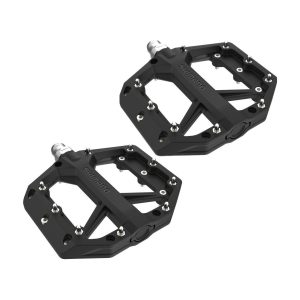
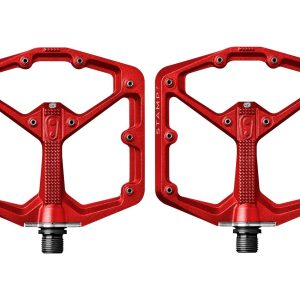
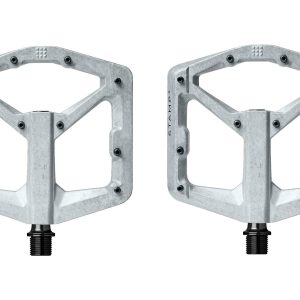
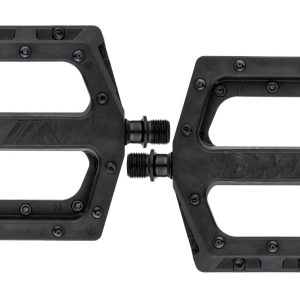
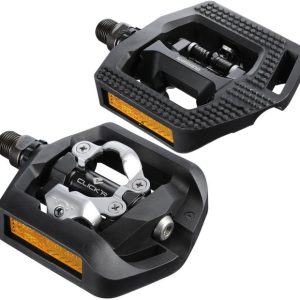
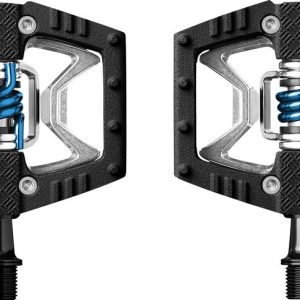
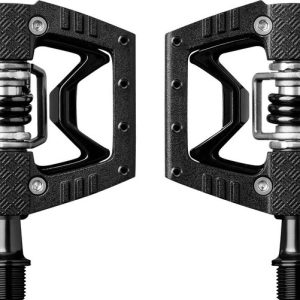
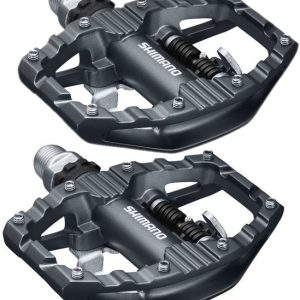
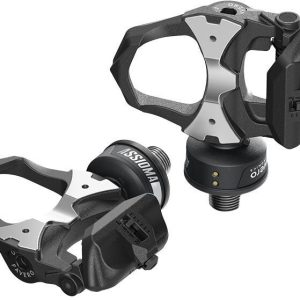
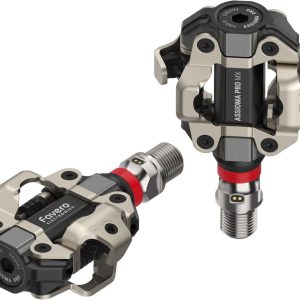
Within each type, platform size, grip, release behaviour, materials and intended riding style can all affect whether a model suits you.
Think about where and how you ride before comparing specifications. Flat pedals are often chosen for commuting, everyday riding, mountain biking and situations where you want to put a foot down quickly. Clipless pedals can provide a consistent foot position and a secure connection for road, gravel or off-road riding, but require compatible shoes and some practice. Neither system is right for every rider, and the best choice depends on comfort, confidence, footwear and the conditions you encounter.
SuperBike8 is a price comparison site, not a bike shop. You can compare pedals and retailer offers, then continue to the retailer for the offer you choose. Check that you are comparing the same pedal model and included parts: cleats may be supplied with some clipless pedals but not others, while shoes are generally a separate purchase. Ordering, payment, delivery, returns, warranty and customer service are handled by the respective retailer.
Choose between flat and clipless pedals
The category includes flat pedals and clipless pedals. The name “clipless” can be confusing: these pedals use a cleat that clips into a mechanism on the pedal, rather than a toe clip or strap. The two systems differ in how they hold your foot, what footwear they need and how quickly you can step away from the bike.
| Pedal type | How it works | Often suits | Points to consider |
|---|---|---|---|
| Flat | A broad, usually textured platform supports the shoe. Pins or moulded features can help keep it in place. | Commuting, general riding, mountain biking, beginners and riders who prefer to use ordinary shoes. | Grip varies, and pins can catch skin or damage a shoe. Very smooth-soled footwear may feel insecure on some designs. |
| Clipless | A cleat fitted to a compatible cycling shoe engages with a pedal mechanism. The rider twists or moves their heel to release, according to the system. | Riders seeking a repeatable foot position for road, gravel, touring or off-road riding. | You need compatible shoes and cleats, and should practise clipping in and out before riding in traffic or on technical terrain. |
If you regularly stop and start, ride in busy traffic or want to wear everyday shoes, flats can be the simpler option. If you already own compatible shoes and value a consistent connection, clipless pedals may be worth considering. Some riders use different pedal types on different bikes, rather than expecting one setup to suit every ride.
Flat pedal platform, grip and construction
Platform area affects how much of your shoe is supported, but a larger pedal is not automatically better. A broad platform can feel reassuring on rough ground or during long rides, particularly when paired with a suitable shoe. It may also be heavier or feel bulky. Smaller, slimmer flats can work well for a lighter or more compact setup, though the usable support area and the shape of your shoe still matter.
Grip comes from the interface between the pedal and shoe. Many flat pedals use replaceable pins; others rely on moulded ridges or textured surfaces. Pins can help a flat-soled cycling shoe stay in place over bumps, but sharp or tall pins may mark footwear and can cause painful contact with your shin or calf if your foot slips. Check whether pins are replaceable and whether their position can be adjusted. If you ride in wet conditions, consider how the shoe tread and pedal texture work together, rather than judging the pedal in isolation.
Pedal bodies are commonly made from materials such as aluminium or composite plastic. Aluminium can provide a durable, serviceable platform, while composite bodies may offer a lower-cost or lighter alternative depending on the design. The material alone does not determine strength or longevity: body shape, axle, bearings, pin design and how the pedal is used all contribute. Look at the model’s stated construction and maintenance requirements instead of assuming all pedals made from one material perform alike.
For mountain biking, a concave or shaped platform can help locate the foot, and replaceable pins can be useful after wear or damage. For a commuter, a less aggressive surface may be more comfortable against ordinary footwear and less likely to snag. If you ride in everyday shoes, check that the platform is wide enough for your foot and that the tread of your shoes can engage with the pedal’s surface.
Clipless pedals, cleats and release feel
Clipless systems are not all interchangeable. A pedal’s cleat system must match the cleat fitted to your shoes, and the shoe must have the appropriate mounting arrangement. Before comparing models, identify any shoes and cleats you already own. If you are buying a complete setup, confirm which cleats are included and whether the footwear is compatible; the word “clipless” by itself does not specify a universal fitting.
Road-style systems often use a larger cleat that sits beneath the shoe, while many off-road systems use a smaller cleat recessed into the sole. Recessed cleats can make walking more practical, although the actual ease of walking depends on shoe design and cleat placement. A road shoe may prioritise a firm pedalling platform but can be awkward to walk in. Consider how much time you spend off the bike, including café stops, commuting and carrying the bike.
Release tension and the amount of movement permitted before release vary by system and pedal. Some models allow adjustment; others have a defined release behaviour. If you are new to clipless pedals, an easier release setting, where available, can help during the learning stage. Practise stationary or in a safe, quiet place, and make a deliberate habit of releasing before stopping. Release feel is a personal preference, so do not choose solely from a claimed efficiency benefit.
“Float” describes the permitted angular movement of the foot while it remains engaged. The amount and type of float depend on the pedal and cleat combination. Too little movement may not suit every rider’s natural foot position, while a freer-moving setup may feel less fixed. Follow the cleat and pedal manufacturer’s fitting instructions, and seek a professional bike fit if you are experiencing persistent discomfort. Cleat position can influence knee and foot comfort, so small adjustments should be made carefully.
Some pedals have a mechanism on one side and a flat platform on the other. These can be useful if you want to ride with compatible cycling shoes on some journeys and ordinary footwear on others. They may take a little more effort to orient before clipping in, and the flat side may not offer the same grip or support as a dedicated flat pedal. Check which side you expect to use most and whether the overall design fits your riding.
Check pedal and crank compatibility
Most adult bicycle cranks use a 9/16-inch pedal thread, but some children’s bikes and particular BMX or other cranksets use a smaller 1/2-inch thread. Do not assume the fitting from the bike’s general category or wheel size. Check the crankset or bike information, the current pedal specification, or ask a bike shop if you cannot confirm it. A pedal with the wrong thread must not be forced into a crank arm.
Pedal threads are handed: the right pedal tightens in the usual clockwise direction when viewed from the outside of the bike, while the left pedal has a reverse thread and tightens anticlockwise from that side. This prevents the pedals working loose through normal use. When fitting new pedals, follow the manufacturer’s instructions, take care not to cross-thread the crank and use the specified tool and tightening guidance. Grease on the threads is commonly used to help installation and later removal, but follow the crank and pedal manufacturers’ recommendations.
Check the pedal axle and crank interface as well as the thread. The axle has to suit the crank’s pedal hole; the pedal’s shape and body should also provide sufficient clearance around the crank and frame. If you are replacing one pedal, make sure the replacement is the correct left or right side and a matching model where required. A pair is usually the straightforward choice when changing pedal type or appearance, but confirm whether a listing is for one pedal or a pair.
Bearings, axles and maintenance
Pedals rotate on bearings around an axle. Bearing designs and serviceability differ between models: some can be maintained or rebuilt, while others are intended to be replaced when worn. If you ride frequently in rain, through grit or off-road, seals and the maker’s maintenance guidance are worth checking. A pedal exposed to water and dirt may need attention sooner than one used mainly in dry conditions.
Signs of wear can include rough rotation, play at the axle, damaged threads or a loose or broken platform component. A little rotation resistance by itself does not necessarily mean a pedal is faulty, but noticeable looseness or grinding deserves inspection. Keep pedals clean, check pins and fixings where fitted, and follow the manufacturer’s instructions for bearing service. Avoid assuming that a sealed pedal needs no care under all riding conditions.
Weight can matter to riders building a performance-focused bike, but it is only one part of the choice. A lighter pedal may involve a different body or axle construction, and may have different service or durability characteristics. For everyday use, secure footing, reliable bearings and compatibility are generally more useful decision points than a small difference in weight.
Compare pedal offers accurately
On SuperBike8 you can compare products and retailer offers. The same pedal family may appear in different versions, colours or model years, and a similar name does not guarantee identical specifications. Check the exact model, pedal type, cleat system, included cleats, colour and whether the listing is for a single pedal or a pair. If you are comparing clipless pedals, compare like with like: a price that excludes cleats is not directly equivalent to one that includes them.
Retailers can set different prices, and particular colours or versions may be discounted differently. Previous-year models can offer useful value, but check for technical differences rather than assuming they are unchanged. The total cost can also be affected by delivery charges and any compatible cleats or shoes you still need. Once you select an offer, you continue to the retailer. Check the retailer’s product details, delivery information and terms before ordering; payment, delivery, returns, warranty and service are handled directly by that retailer.
Typical pedal buying mistakes
- Choosing the wrong pedal system: Clipless pedals need compatible cleats and shoes; flats do not lock a compatible shoe into a pedal.
- Assuming cleats are included: Check the offer contents and budget for compatible cleats if they are sold separately.
- Overlooking crank thread size: Confirm the pedal thread matches the crank before fitting; never force a pedal that does not turn freely into the thread.
- Buying one pedal when you need a pair: Check whether the listing describes a pair or a single replacement, and confirm the side if buying individually.
- Choosing grip without considering footwear: A pedal’s pins or texture work with the shoe sole; aggressive pins can damage shoes or catch skin.
- Expecting all clipless systems to be compatible: Pedals, cleats and shoe mounting arrangements need to match.
- Ignoring walking needs: A road-style shoe and cleat may be less practical off the bike than a recessed off-road cleat setup.
- Focusing only on weight: Platform support, release behaviour, serviceability and durability may matter more for your riding.
- Comparing different versions as if identical: Verify the model name, colour, included parts and model-year specification.
Three typical buying decisions for Pedals
1. Everyday riding with ordinary shoes
If you commute, ride around town or want to use the same shoes off the bike, start with flat pedals. Look for a platform that supports your foot and has enough texture for your preferred footwear. A very aggressive pin layout may offer more hold but can be harder on shoes and skin, so match the grip to your riding rather than choosing the sharpest-looking option.
2. Road or gravel riding with a consistent foot position
If you own compatible cycling shoes and want a repeatable connection, compare clipless pedals by cleat system, release feel and included cleats. Consider how often you walk and whether your cleat sits recessed in the shoe. If you are new to the system, practise releasing safely before riding in traffic and check that the chosen release behaviour feels manageable.
3. Off-road riding with frequent foot-down moments
For technical trails or riding where you often need to dab a foot, decide whether you value a flat platform’s immediate freedom or a clipless connection’s consistent position. Flats benefit from a supportive platform and suitable pins; clipless models should offer a release behaviour you can use confidently. In either case, shoes matter as much as the pedal: check sole shape, grip and compatibility before comparing offers.
Your checklist before you order
- Choose flat or clipless pedals to suit your riding and footwear.
- Confirm the pedal thread fits your crankset.
- Check whether the offer is for a pair or a single pedal.
- For clipless pedals, confirm the cleat system matches your shoes.
- Check whether compatible cleats are included.
- Consider how easily you need to walk in your cycling shoes.
- For flats, compare platform size, shape, texture and pin design.
- Consider whether pin grip is suitable for your shoes and riding conditions.
- Check whether pins, bearings or other parts can be serviced or replaced.
- Confirm the exact model, colour and version rather than relying on a similar name.
- Compare like-for-like retailer offers, including included parts and delivery costs.
- Read the retailer’s fitting guidance and use the specified tools and tightening instructions.
- Check the retailer’s terms for ordering, delivery, returns and warranty.
Frequently asked questions about Pedals
What is the difference between flat and clipless pedals?
Flat pedals support your shoe on a platform and do not require a cleat. Clipless pedals engage with a cleat fitted to a compatible cycling shoe. Flats make it easy to step off and use ordinary footwear; clipless systems provide a connected foot position but require compatible equipment and practice to release confidently.
Do clipless pedals come with cleats?
It depends on the specific model and retailer offer. Check the product details to see whether cleats are included, and make sure they match both the pedal system and your shoes. Shoes are generally a separate purchase.
Are all bike pedal threads the same?
No. Most adult bicycle cranks use a 9/16-inch pedal thread, but some children’s bikes and particular cranksets use a 1/2-inch thread. Check the crankset or bike specification before buying, and do not force a pedal into a crank if the thread does not match.
Can I use ordinary shoes with flat pedals?
Yes. Flat pedals do not require cleats, but the grip and comfort depend on the pedal surface and shoe sole. A supportive, grippy sole can feel more secure than a smooth or very soft one. Check pin design if you want to protect everyday footwear.
Are clipless pedals suitable for beginners?
They can be, provided you have compatible shoes and take time to practise clipping in and releasing in a safe place. Follow the manufacturer’s setup guidance and, where the system allows adjustment, choose a release setting you can operate confidently. You can also choose flat pedals if you prefer not to be attached to the bike.
Do bike pedals come as a pair?
Many pedal listings are for a pair, but some replacement offers may be for a single pedal. Read the retailer’s listing carefully and check the side if you are replacing only one. Comparing the listing contents helps avoid mistaking a single pedal for a complete pair.
How do I compare pedal prices on SuperBike8?
Compare the exact pedal model and version, then check the pedal type, cleat system, included parts, colour and whether the listing is for one pedal or a pair. Delivery costs can affect the total price. Once you choose an offer, you continue to the retailer, where ordering, payment, delivery, returns, warranty and service are handled.