Superbike8.co.uk – The ultimate bike search engine and price comparison site

Superbike8.co.uk – The ultimate bike search engine and price comparison site
Handlebar Grips

Handlebar grips affect how securely and comfortably you hold a flat or swept-back handlebar. The right pair can help reduce hand pressure on a commute, provide dependable control on rough trails or make longer rides more comfortable. Read more
Showing the single result
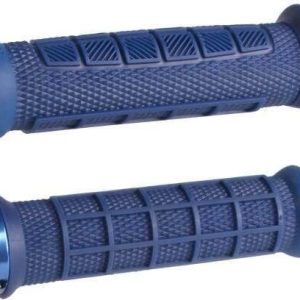
Grip shape, thickness, material and the way each grip attaches all influence how it feels in use.
Start by checking that the grips suit your handlebar and any fitted controls. Most flat-bar grips are designed for the grip section of a flat handlebar, while drop handlebars are normally covered with bar tape rather than conventional grips. Twist shifters, bar ends and handlebar plugs can also affect the usable length and the type of grip you need.
On SuperBike8, you can compare handlebar grips and retailer offers by their listed features and price. Check that you are comparing the same length and fixing style, and consider delivery costs when reviewing the total. Once you choose an offer, you continue to the retailer; ordering, payment, delivery, returns, warranty and customer service are handled directly by that retailer.
Choose grips for your handlebar and riding
Handlebar grips are most commonly used on flat-bar bikes, including many mountain bikes, hybrid bikes, town bikes and some touring or electric bikes. The ideal design depends on the position of your hands, the terrain and how long you tend to ride. A soft, rounded grip may suit a relaxed ride, while a more supportive shape can be useful if your hands stay in one position for extended periods.
On a mountain bike, secure contact and control over uneven ground are priorities. Commuters may value a shape that spreads pressure across the palm, particularly if they spend a long time riding on roads. For touring, comfort over sustained rides and the ability to keep a natural wrist position may matter more than having the thinnest or lightest grip.
If you have a drop-bar bike, check the product type carefully: conventional handlebar grips are not a replacement for drop-bar tape. For a wider choice of cycling accessories, you can also browse bike accessories.
Grip types and their practical differences
| Grip type or feature | Where it can work well | What to check |
|---|---|---|
| Round or slim grips | Riders who prefer a simple shape and can reposition their hands freely. | The diameter should feel comfortable in your hand and provide enough control for your riding. |
| Ergonomic or palm-support grips | Commuting, touring or other rides where your hands spend a long time in one position. | The support needs to suit your hand position; a broad palm rest can restrict how freely you rotate or move your hand. |
| Lock-on grips | Riding where a firmly secured grip and straightforward removal for servicing are useful. | Check clamp position, grip length and compatibility with bar ends or controls. |
| Push-on grips | Set-ups where a simple, uncluttered grip without an external clamp is preferred. | They need to fit the handlebar securely and be installed correctly to avoid movement. |
| Short or grip-shift-compatible grips | Some bikes with a twist shifter occupying part of the handlebar. | Compare the stated length with the available space and the shifter manufacturer's requirements. |
Lock-on or push-on: how the fixing style affects your choice
Lock-on grips use one or more clamps to secure the grip to the handlebar. This can make them easier to fit or remove than a tight push-on grip, and the clamp helps limit twisting when fitted correctly. However, clamps take up some space at the bar end or beside the controls. Check their position if your set-up includes bar ends, a twist shifter or other equipment close to the grip.
Push-on grips slide directly over the handlebar. They have no external clamp, which can leave more space for controls and give the bar end a clean profile. Their fit depends on the grip and handlebar being compatible, as well as careful installation. A grip that moves or rotates during use is not safe to ride on; do not rely on an uncertain fit.
Neither fixing style is automatically right for every bike. Consider how often you expect to remove the grips, how much room your controls need and whether the product instructions match your handlebar. Follow the manufacturer's fitting guidance and make sure the grips are secure before riding.
Shape, thickness and hand comfort
A grip's shape changes how your hand contacts the bar. A conventional round profile allows you to rotate your hand around the grip and shift your position easily. An ergonomic design may have a flatter or wider area beneath the palm to distribute pressure over a larger surface. This can feel supportive on steady rides, but the position needs to suit your hand and riding posture.
Grip thickness is a matter of fit rather than a simple measure of quality. A larger-diameter grip may feel more comfortable to a rider with larger hands or a preference for a fuller hold. A slimmer grip may suit smaller hands or riders who want to wrap their fingers further around the bar. A grip that feels too bulky can make it harder to hold the bar securely; one that feels too narrow may cause your fingers to close tightly around it.
Where possible, compare the manufacturer's stated dimensions and consider the shape as well as the overall diameter. Texture, softness and the way the grip compresses under your hand all affect the feel. A supportive shape cannot correct every cause of hand discomfort: handlebar height, reach, lever position, gloves and riding posture may also need attention.
Materials, texture and riding conditions
Grips can use rubber, synthetic compounds, foam, silicone or combinations of materials. The exact feel varies by product, so material names alone do not tell you how soft, tacky or durable a grip will be. A textured surface may help your hands stay in place, while a smoother surface can feel less pronounced against bare hands. Gloves, rain and dirt also change how a particular texture feels in use.
- Rubber and synthetic compounds: Common choices for everyday use, with a wide range of firmness and surface patterns. Check the product details rather than assuming that all rubber grips feel alike.
- Foam: Often chosen for a softer, lighter-feeling contact point. Consider how the grip's compression and surface feel suit your riding, and follow its care instructions.
- Silicone: Can provide a different balance of cushioning and surface feel from conventional rubber compounds. Grip design and fit still matter as much as the material label.
- Textured or patterned surfaces: Can add purchase, particularly when your hands are gloved. Deep patterns may feel less comfortable to some riders over long distances.
For wet-weather riding, secure fit and predictable control matter more than choosing a material by name. Keep grips clean and inspect them for damage or movement. If a grip becomes torn, loose or excessively worn, replace it rather than continuing to ride on an unreliable contact point.
Check handlebar diameter, grip length and controls
Most standard flat handlebars use a 22.2 mm diameter at the grip area, but you should confirm the specification for your own bar and the grip before buying. Do not confuse this handlebar measurement with the grip's outside diameter, which affects how the grip feels in your hand. The handlebar diameter at the grip area is also different from its diameter where a stem clamps on.
Grip length is just as important as diameter. Measure the usable handlebar space between the end of the bar and the brake lever or shifter, and compare it with the product dimensions. A grip that is too long can interfere with controls or leave insufficient room for a bar-end plug. A short grip may suit certain twist-shifter arrangements, but only if the remaining length is compatible with the shifter and the rider's hand position.
Think about the complete cockpit before choosing. Brake levers and trigger shifters need to remain accessible and correctly positioned. A clamp may collide with a control, and some ergonomic grips are intended to be installed at a particular angle. If you use bar ends, verify that the grip design leaves the necessary space and that the handlebar ends can be safely finished with suitable plugs.
Installing, adjusting and maintaining grips
Before fitting new grips, check the handlebar ends for burrs, damage or residue from an old grip. Follow the fitting method and any preparation instructions provided by the manufacturer. Do not use an improvised lubricant or adhesive unless the grip instructions specifically allow it; the wrong substance can affect how securely a grip stays in place.
Once fitted, position the grips so your wrists feel natural and your fingers can reach the brake levers without stretching. Ergonomic grips may need careful rotation to place their support where it works for your hand. Tighten lock-on clamps to the manufacturer's specified method and setting rather than guessing. Before every ride after installation, check that each grip is secure and that the controls operate freely.
Clean grips with a method suitable for their material, avoiding harsh products that could damage the surface. Inspect them periodically for cuts, worn texture, hardening or movement. Replace damaged grips promptly, and check that bar-end plugs are present and secure: exposed handlebar ends can be hazardous in a crash.
Compare handlebar grips and retailer offers
Prices can vary between retailers, and discounts may apply to particular colours or versions rather than every option in a range. When comparing offers on SuperBike8, check the exact product name, grip length, material and fixing style. Similar-looking grips may differ in features that affect fit, so compare equivalent versions rather than choosing by the headline price alone.
Check whether the listing is for a pair or another quantity, and read what is included. If you need bar-end plugs, verify whether they are supplied rather than assuming they are part of the package. Delivery costs can also affect the total you pay. SuperBike8 lets you compare products and retailer offers; after selecting an offer, you continue to the retailer for ordering and any questions about stock, delivery or service.
Product descriptions and availability can change, so check the retailer's current listing before proceeding. If a previous-year colour or version is listed at a lower price, compare its exact specifications with the current version: a similar product name does not guarantee that every detail is identical.
Typical handlebar grip buying mistakes
- Assuming every flat bar has the same grip fit: Confirm the handlebar's diameter at the grip area instead of relying on the bike category or appearance.
- Ignoring available space: Measure between the bar end and controls, especially if you have a twist shifter or bar ends.
- Choosing by softness alone: A very soft feel may not suit your preference or riding conditions; consider support, texture and secure control together.
- Buying an ergonomic shape without considering position: A palm-support area can be uncomfortable if it does not align with your hand or wrist position.
- Overlooking the clamp: Lock-on hardware may compete for space with controls or accessories near the grip.
- Confusing grip diameter with handlebar diameter: The outer size you feel in your hand is not the measurement used to check handlebar fit.
- Forgetting bar-end protection: Check whether plugs are included and make sure the handlebar ends are properly covered.
- Comparing different versions as if they were identical: Verify length, fixing system, colour and included components before deciding which retailer offer represents better value.
Three typical buying decisions for Handlebar Grips
1. You ride trails and want a secure, simple fit
Prioritise a grip that matches your handlebar and leaves enough room for brake and gear controls. A lock-on design may appeal if you value a grip that can be removed readily, but check that the clamp does not interfere with your set-up. Choose a texture and thickness that let you hold the bar securely with your usual gloves.
2. You commute or tour and spend hours in one hand position
Consider an ergonomic shape if you want more palm support, and compare its dimensions with your hand position and available bar space. Make sure the support can be aligned comfortably and does not prevent you from reaching your controls. If you prefer to move your hands frequently, a rounder profile may feel less restrictive.
3. Your handlebar has a twist shifter or limited space
Measure the grip area that remains once the shifter and controls are in place. Look for a compatible short grip only where the product is intended for that arrangement, and check the required installation order. Do not trim a grip or force a mismatched size unless the manufacturer explicitly says it is suitable.
Your checklist before you order
- Confirm that you need flat-bar grips rather than drop-bar tape.
- Check the handlebar diameter at the grip area against the grip specification.
- Measure the usable handlebar length between the controls and bar end.
- Check compatibility with any twist shifter, brake levers and trigger shifters.
- Choose between lock-on and push-on based on your set-up and fitting preference.
- Check whether clamps will have enough clear space.
- Compare grip length, outer diameter and shape, not just the material name.
- Consider whether a round or ergonomic profile suits your hand position.
- Think about texture and feel with the gloves you normally wear.
- Check whether bar-end plugs are included or need to be sourced separately.
- Confirm the quantity supplied and compare like-for-like product versions.
- Review retailer delivery costs and the current product listing before choosing an offer.
Frequently asked questions about Handlebar Grips
How do I know whether handlebar grips will fit my bike?
Check the handlebar diameter at the grip area and compare it with the grip manufacturer's specification. Also measure the available length and account for shifters, brake levers and any bar ends.
Are lock-on grips better than push-on grips?
Neither is best for every bike. Lock-on grips use clamps that can help secure the grip and make removal easier, but the clamps need space. Push-on grips avoid external clamps but must fit the bar correctly and be installed securely.
What are ergonomic handlebar grips for?
They are shaped to support the palm or spread contact across a wider area. This may suit longer rides in a steady hand position, but the shape and angle need to suit your hands and cockpit; some designs offer less freedom to move your hands around the grip.
Can I use flat-bar grips on a drop-bar bike?
Conventional handlebar grips are designed for the straight grip sections of flat or swept-back bars. Drop handlebars are normally covered with bar tape, so check the handlebar type and product description before choosing.
Do handlebar grips come with bar-end plugs?
It depends on the product. Check the listing to see what is included, and make sure the handlebar ends are properly covered after fitting. Do not assume plugs are supplied unless the retailer's product details say so.
How often should I replace bike grips?
Replace them when they are damaged, excessively worn, hardened or no longer stay securely in place. There is no single replacement interval for every rider, as wear depends on use, conditions and grip material.
How can I compare handlebar grip offers on SuperBike8?
Compare the exact grip version, length, fixing style, colour and included parts, then consider delivery costs. SuperBike8 is a price comparison site; you continue to the retailer you select, which handles ordering, payment, delivery, returns, warranty and customer service.