Superbike8.co.uk – The ultimate bike search engine and price comparison site

Superbike8.co.uk – The ultimate bike search engine and price comparison site
Bottle Cages

A bottle cage keeps a drink within reach while you ride, but the right choice depends on more than its appearance. Consider how securely it holds your bottle, whether you can remove and replace it easily, and how much room there is around the frame. Read more
Showing 25–34 of 34 results
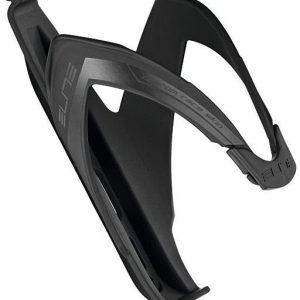
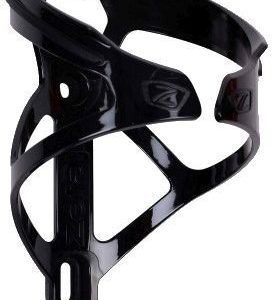
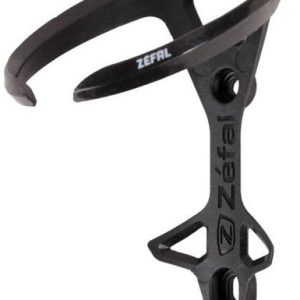
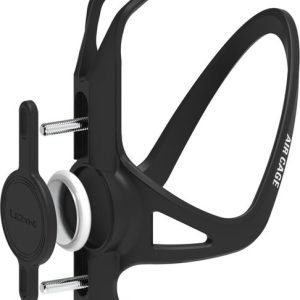
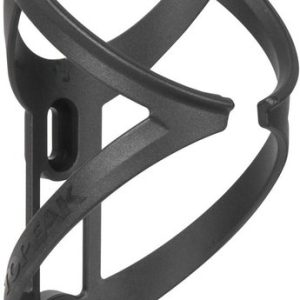
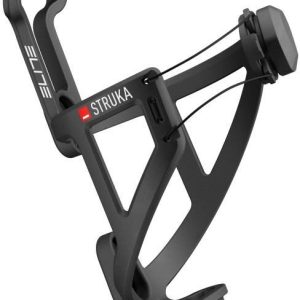
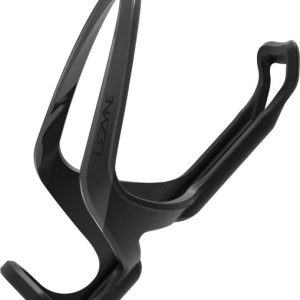
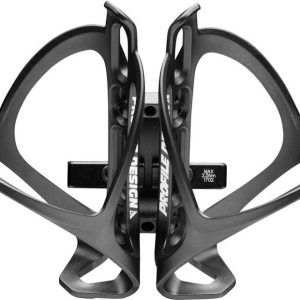
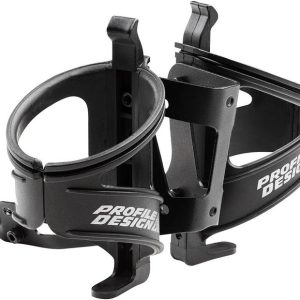
A cage that works well on a roomy road bike may be awkward to use on a compact frame, a full-suspension mountain bike or a bike with a frame bag.
Bottle cages vary in material, shape and bottle-entry direction. Some load from the top, while side-entry designs make it easier to reach a bottle where frame space is limited. The cage must also work with your frame’s mounting points and the bottles you intend to carry. Check these details before comparing prices, particularly if you need a specific side-entry orientation or want to use a non-standard bottle.
SuperBike8 is a price comparison site, not a retailer. You can compare bottle cages and retailer offers here, then continue to the retailer you choose. Check the exact model and any included fittings in the offer; ordering, payment, delivery, returns, warranty and customer service are handled directly by the retailer.
Choosing the right bottle cage for your bike
Start by checking where you want to carry a bottle and how much space is available. Many bikes have threaded mounting points, often called bottle bosses, on the down tube, seat tube or both. The frame layout determines which positions are usable: a small frame, suspension linkage, shock, cables or fitted accessories can obstruct a cage or make a bottle difficult to remove.
Next, consider how you ride. Road riders may prioritise low weight and quick access; mountain bikers may want a cage that holds the bottle securely over rough ground. For touring or long-distance riding, having space for a second bottle can be more important than choosing the lightest cage. If your frame has no suitable mounting points, look for a mounting solution designed for that frame rather than assuming a standard cage will fit.
| Riding situation | What to prioritise | Check before choosing |
|---|---|---|
| Road riding and sportives | Easy access, secure retention and a shape that suits your bottles | Whether the bottle clears the frame and can be pulled out while riding |
| Mountain biking and rough tracks | A firm hold that helps prevent the bottle bouncing out | Bottle retention, frame clearance and access with the bike’s suspension layout |
| Small frames or restricted space | Compact dimensions or side entry | Which side the cage allows you to load from, and whether your hand can reach it |
| Touring and longer rides | Reliable retention and room for the number of bottles you need | Usable mounting positions, bottle size and clearance from bags or other equipment |
Top-entry and side-entry bottle cages
A conventional top-entry cage is loaded from above. It is a straightforward option when the frame has enough space to lift the bottle clear and your hand can reach the opening. On a bike with generous clearance, this style can be convenient and may hold the bottle securely through its surrounding arms.
A side-entry cage lets you slide the bottle in and out from the side. This can be useful on small frames, bikes with limited space inside the frame triangle, or setups where a frame bag makes upward access difficult. Side-entry designs are often made for access from a particular side, so check the product details and consider which direction is practical on your bike. A cage that opens towards a frame tube, shock or bag may be hard to use even if it can be bolted on.
Do not assume that side-entry automatically means better access. The opening needs to face a reachable space, and the bottle still needs room to move. Before choosing, picture the full movement needed to remove and replace it, taking account of your riding position, frame size and any accessories already fitted.
Materials and their practical differences
Material affects weight, flexibility, durability and price, but the design and finish matter too. A lighter cage may suit a rider who is counting every gram, while someone riding rough trails may put more value on retention and resistance to knocks. Check the product description for the specific material rather than judging by appearance alone.
| Material or construction | Potential benefits | Points to consider |
|---|---|---|
| Plastic or composite | Can provide some flex around the bottle and comes in a range of shapes and finishes | Flex and wear vary by design; inspect the retention shape and compatibility with your bottle |
| Aluminium | A simple, formed construction that may allow some adjustment depending on the design | Do not bend a cage unless its maker permits it; repeated or excessive bending can damage it |
| Carbon fibre | Often chosen where low weight is a priority | Usually costs more; follow the maker’s installation guidance and avoid overtightening its bolts |
| Steel or wire construction | A narrow, simple profile can suit some classic or practical builds | Check finish and bottle fit; exposed metal may show wear where it contacts a bottle |
Material alone does not tell you how well a cage will hold a bottle. A flexible cage may accommodate small differences in bottle shape, but too much movement can make retention less dependable. A rigid cage may keep its shape well but needs to match the bottle’s dimensions. If you are replacing a cage, compare the new design with a bottle you already use rather than relying on material labels.
Bottle fit, retention and access
Bottles sold for cycling are not all identical in shape or diameter. A bottle that fits one cage neatly may be loose or difficult to pull from another. Check any stated bottle compatibility, and think about whether you plan to use a standard cycling bottle, an insulated bottle or another container. Wider bottles can also take up more room in the frame and may be harder to handle while riding.
Retention matters most when the bike is moving over uneven ground. The cage should hold the bottle firmly without making it impractical to remove for a drink. If you ride rough trails, look for a design intended to retain bottles securely and make sure its shape suits the bottle you use. A cage that grips too tightly can be inconvenient, particularly when you need to replace the bottle quickly.
Access is a combination of cage design and frame layout. Check the space around the bottle, not just the cage mounting area. On a small frame, a shorter bottle or side-entry cage may make the setup usable. On a bike with a frame bag, verify that the cage opening and bottle path are not blocked. If you carry more than one bottle, check that removing one does not make the other awkward to reach.
Frame fit and installation
Most conventional cages attach to threaded mounting points on the frame. Check that your bike has the appropriate bosses in the position you want to use, and make sure the cage’s fixing holes line up with them. If a bike has no cage mounts, or you need a position that the frame does not provide, a compatible clamp or adapter may be an option. Confirm that the attachment is intended for your frame and does not interfere with cables, hoses, paintwork or moving parts.
Use suitable bolts and follow the frame and cage manufacturers’ fitting instructions. Some cages are supplied with fixings and others may require bolts to be sourced separately; do not assume either way without checking the listing. Bolts that are too long can foul the inside of the frame or other components, while overtightening can damage threads or a frame, especially where the manufacturer specifies a torque limit. If in doubt, ask a qualified bike mechanic to check the fit.
After installation, place a bottle in the cage and check that it can be removed and replaced without catching on the frame, cables, suspension parts or accessories. Check that the cage is secure and that its bolts remain tight according to the manufacturer’s guidance. Recheck the setup after initial use, particularly if you ride over rough ground.
Choosing for different types of riding
Road bikes and sportives
For road riding, quick access and a clean fit are often more useful than a feature you will rarely use. Consider whether you can reach the bottle while maintaining a stable riding position, and whether the cage holds it securely on rough road surfaces. Riders planning longer outings may want to use both available frame positions, provided bottles remain accessible and do not conflict with a saddle bag or other kit.
Mountain bikes
On a mountain bike, check bottle retention and clearance around the suspension and frame. Full-suspension layouts can leave limited room, particularly on smaller frames, and a bottle may need to be loaded from the side. If the bike is regularly ridden on rough trails, a cage that makes the bottle secure is more important than a small weight saving that does not suit your riding.
Gravel, commuting and touring
Gravel riders may need to balance bottle capacity with space for a frame bag or tools. For commuting, consider the bottle you actually carry and whether you want to remove it frequently when locking up or taking it indoors. Touring can involve longer stretches between stops, so available mounting positions and compatibility with larger bottles may be important. Check the whole setup together: bags, bottles, pumps and other accessories can compete for the same frame space.
Price comparison and checking an offer
Retailers can list different prices for the same bottle cage, and colours or versions may be discounted differently. On SuperBike8 you can compare available products and retailer offers, then continue to the retailer you select. Compare the exact model, material, entry direction and colour rather than relying on a similar product photo or a shortened title.
Check whether bolts or other fittings are included, and whether the listing is for one cage or a bundle. Delivery costs can affect the total price, so review the retailer’s offer details before proceeding. If a product has different versions, confirm that the listed colour and design match what you want. Ordering, payment, delivery, returns, warranty and service are handled by the retailer, not SuperBike8.
You can also browse the wider accessories category. If your ride setup needs other equipment, related comparisons include bike pumps, bike racks and phone mounts. Check that any accessories you fit do not block the bottle or its route in and out of the cage.
Typical bottle cage buying mistakes
- Choosing by appearance alone: a colour or shape that looks right may not give you enough room to remove the bottle.
- Ignoring the entry direction: a side-entry cage can be difficult to use if its opening faces a frame tube, shock or bag.
- Assuming every bottle fits: bottle shapes differ, so check compatibility and test the bottle you plan to carry.
- Forgetting frame size and layout: the same cage can be accessible on one frame and awkward on another.
- Overlooking the mounting points: check for suitable threaded bosses and hole alignment before buying a conventional cage.
- Using unsuitable or overly long bolts: follow the frame maker’s fitting instructions and check bolt length and clearance.
- Overtightening fixings: excessive force can damage threads, the cage or the frame; observe any specified torque guidance.
- Prioritising low weight over the actual need: a light cage is not a good choice if it does not hold your bottle securely on your usual routes.
- Forgetting other equipment: frame bags, pumps and accessories can block a bottle’s access or take up mounting space.
- Comparing different offers as if they were identical: check the exact version, colour, included fittings and whether the offer is for a single cage or a set.
Three typical buying decisions for Bottle Cages
1. A simple cage for a road bike with clear frame space
If your frame has standard mounting points and plenty of room to lift a bottle out, a conventional top-entry cage may be the simplest choice. Match it to the bottles you use and consider how firmly it holds them over the roads you ride. You may not need a side-entry design if access is already straightforward.
2. A side-entry cage for a compact or restricted frame
If a bottle cannot be lifted upwards because of a small frame, suspension or a frame bag, consider a side-entry design. Check which side it opens from and confirm that your hand has room to reach the bottle. A shorter bottle may also help if the bottle itself is too close to a frame tube or other component.
3. A secure setup for rough routes or longer rides
If you ride bumpy trails or carry bottles over long distances, prioritise dependable retention and useful capacity over a minor weight difference. Check that the cage suits your bottle, that your frame has enough usable mounting positions, and that the bottle remains accessible with any bags or tools fitted.
Your checklist before you order
- Does your frame have mounting points where you want to fit the cage?
- Do the cage’s fixing holes match the frame’s bottle bosses?
- Will the cage clear the frame, cables, hoses, suspension and fitted accessories?
- Can you remove and replace the bottle comfortably while riding?
- Is top entry practical, or would side entry suit the available space better?
- If side entry is required, does the opening face the usable side of the frame?
- Does the cage suit the shape and size of the bottle you intend to use?
- Will the bottle be held securely on the surfaces you ride?
- Is there enough room for the bottle’s full movement in and out?
- Have you checked the material and its suitability for your priorities?
- Are the correct bolts included, or do you need to confirm compatible fixings?
- Have you checked the frame and cage makers’ installation guidance?
- Does the offer include one cage or more than one?
- Are the model, colour and version the ones you intend to compare?
- Have you reviewed the retailer’s delivery costs and offer details?
Frequently asked questions about Bottle Cages
Will any bottle cage fit any bike?
No. A conventional cage needs suitable mounting points and enough clearance around the frame. Bikes without bottle bosses may need a compatible mounting solution, and the cage must leave room to remove the bottle.
What is the difference between top-entry and side-entry bottle cages?
A top-entry cage is loaded from above and suits frames with enough vertical clearance. A side-entry cage lets you slide the bottle in from one side, which can help where space is limited. Check the opening direction and the access available on your particular bike.
How do I know whether my bottle will fit?
Bottle shapes and sizes vary. Check the cage’s stated compatibility and compare it with the bottle you plan to carry. If possible, test the fit before a long ride: the bottle should be secure but still practical to remove and replace.
Which bottle cage material should I choose?
Choose based on the balance you need between weight, flexibility, durability and price. The material does not determine retention on its own, so check the cage’s shape and fit with your bottle as well.
Can I fit a bottle cage to a bike without bottle bosses?
Possibly, using a compatible clamp or adapter designed for the frame and position. Check that it attaches securely and does not damage the frame, interfere with cables or obstruct moving parts. Follow the adapter maker’s fitting instructions.
Are bottle cage bolts included?
It depends on the product and retailer listing. Check the offer details before comparing prices, and use fixings of the correct type and length for your frame. Follow the frame manufacturer’s instructions and avoid overtightening.
Can I compare bottle cages on SuperBike8?
Yes. SuperBike8 lets you compare products and retailer offers. Once you select an offer, you continue to the retailer; ordering, payment, delivery, returns, warranty and customer service are handled directly by that retailer.