Superbike8.co.uk – The ultimate bike search engine and price comparison site

Superbike8.co.uk – The ultimate bike search engine and price comparison site
Bike Pumps

A bike pump is useful both for routine tyre pressure checks and for getting you moving again after a puncture. The right choice depends on where you expect to use it: a larger pump can be easier to operate at home, while a compact pump is designed to travel with you. Read more
Showing 37–40 of 40 results


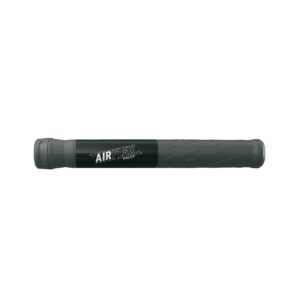
Electric pumps add powered inflation, but bring battery capacity, charging and size into the decision.
Compatibility matters as much as pump style. Check that the head works with your inner tube’s valve, and consider the pressure and volume your tyres need. Road tyres generally call for higher pressure than many mountain bike tyres, while wider tyres need more air to reach their intended pressure. Always follow the limits and recommendations for your tyre and rim rather than assuming a pump’s maximum rating is a suitable target.
On SuperBike8 you can compare bike pumps and retailer offers, including mini pumps and electric bike pumps. Product specifications, prices and availability can vary between retailers. Once you’ve picked an offer, you continue to the retailer; ordering, payment, delivery, returns, warranty and customer service are handled directly by that retailer.
Which type of bike pump suits your riding?
Think about where the pump will be used most often. A pump kept at home can prioritise comfortable handling and a clear gauge. A pump carried on rides needs to fit your storage space and be practical to use at the roadside. If you want to avoid manual pumping, an electric model may be worth considering, provided its size, charge arrangements and operating instructions suit your routine.
| Pump type | Works well for | Points to check |
|---|---|---|
| Floor or track pump | Regular inflation at home or in a workshop, where a full-size pump is easy to store. | Valve-head compatibility, gauge readability, base stability, hose length and the pump’s stated pressure range. |
| Mini pump | Carrying on rides for puncture repairs and topping up a tyre away from home. | Packed size, mounting or carrying options, grip and how much effort is required to inflate your tyres. |
| Electric pump | Riders who prefer powered inflation and are happy to manage a rechargeable device. | Charging method, battery information, size, controls, valve connection and the manufacturer’s operating guidance. |
| CO₂ inflator | Riders who prioritise compact emergency inflation and are comfortable using a cartridge system. | Cartridge compatibility, whether cartridges are included, how the inflator attaches to the valve and safe handling instructions. |
These are general pump designs, not a guarantee that every type appears in the current comparison. Check the individual listing to confirm exactly what is included. A pump with a hose, bracket or accessories may be offered as a different version from a basic pump alone.
Valve compatibility: check before comparing features
Bike inner tubes commonly use Presta or Schrader valves. Some bikes also use Dunlop valves. A pump may have a head that handles more than one valve type, a reversible insert, or an adapter; designs vary, so do not assume compatibility from appearance alone. Look at the product details and confirm that the pump can connect securely to the valve on your bike.
Presta valves are often found on road and performance bikes, while Schrader valves are familiar from many hybrid, mountain and everyday bikes. These are common patterns rather than rules: identify the valve fitted to your own wheel. A loose or incorrectly configured pump head can leak air or damage the valve, particularly if you force it into place.
Before inflating a Presta valve, remove its cap and unscrew the small tip at the end. Press it briefly to check that it moves, then attach the pump head according to its instructions. After inflation, remove the head carefully and close the valve tip. For Schrader valves, the connection is similar to a car tyre valve. If an adapter is needed, check whether it is supplied or must be bought separately.
Pressure, volume and gauge accuracy
Different tyres need different pressure ranges. Narrower road tyres are generally run at higher pressures than wider tyres, while mountain bike tyres are usually used at lower pressures to provide grip and comfort over rough ground. The right pressure also depends on factors such as rider and luggage weight, tyre construction, terrain and personal preference. Use the tyre and rim manufacturers’ guidance, and stay within the limits printed or specified for the components.
A pump’s stated maximum pressure is not a recommended setting for every bike. It tells you about the pump’s capability, not what pressure your tyre should use. For many riders, a clear and easy-to-read gauge is more useful than selecting a pump solely because its maximum rating is high. Gauge readings can vary between pumps, so treat them as a practical guide and follow the relevant tyre or rim guidance.
Pressure and air volume are related but not interchangeable. A high-pressure design can be useful for tyres that need higher inflation pressures, whereas a higher-volume pump moves more air with each stroke and can be more convenient for wider tyres. Some pumps are designed to balance these requirements. Look for a stated pressure range and intended use rather than relying on labels alone.
For tubeless tyres, a normal pump may be suitable for routine top-ups once the tyre is seated, but seating a new tyre can require a rapid burst of air. Not every pump can provide this. Check the tyre and rim instructions and the pump’s stated function; do not assume that an electric pump or high-pressure pump is automatically suitable for tubeless installation.
Choosing a mini pump for rides
A mini pump is a practical backup if you want to carry inflation equipment on everyday trips, commutes or longer rides. Its small size makes it easier to store in a jersey pocket, saddle bag or frame-mounted bracket, but the trade-off is usually more effort and time than using a full-size pump. The exact experience depends on the pump design, tyre volume and pressure required.
Compare the pump’s packed dimensions with the space you have available. A bracket can keep a pump accessible on the bike, but check where it fits and whether it competes for space with a bottle cage or other frame-mounted equipment. If you prefer to carry it in a bag, consider whether its shape and length will fit comfortably alongside your repair kit.
Handle and body design matter when you need to pump at the roadside. Look for a way to brace the pump without placing unnecessary strain on the valve. A hose can make the connection easier to position, although it adds another part to carry. A direct-fit design may be more compact. Check the manufacturer’s instructions for attaching and removing the pump head, especially if you have delicate or removable valve cores.
If you ride tyres that require higher pressure, check that the mini pump is intended for that range. If you ride wider tyres, consider whether the pump is designed to move enough air without excessive effort. In either case, a portable pump is best regarded as a get-you-home tool unless its specifications and your needs support regular inflation with it.
What to consider with electric bike pumps
An electric pump can reduce the manual effort involved in inflation. It may suit riders who want a powered option at home or a portable device for rides, but electric models differ in size, controls and charging arrangements. Compare the product’s stated pressure capability with your tyre requirements and check how the device is powered and recharged.
Battery capacity affects how many inflation tasks a pump can manage between charges, but the actual result depends on the tyre, starting pressure and operating conditions. Do not rely on a general claim about the number of tyres it can inflate unless it is clearly tied to comparable tyre sizes and pressures. If you plan to carry an electric pump, check its dimensions and weight in the product details, and make sure you can recharge it conveniently.
Read the instructions about use and heat. Powered pumps can become warm during operation, and manufacturers may specify pauses or handling precautions. Avoid blocking vents or leaving the device running unattended. Keep the battery charged before a longer ride if the pump is part of your emergency kit, and consider carrying a manual backup if you need a dependable option away from charging facilities.
For a broader view of equipment for your bike, you can also compare other accessories, including bike lights and bottle cages.
Gauge, hose and ease of use
A gauge helps you repeat a pressure setting and spot a tyre that has lost air, but its position and legibility matter. A gauge close to the pump base may be difficult to read if you have to bend down; a digital display may be easier to read for some riders but can depend on batteries. Check the listing for the gauge type rather than assuming one is included.
A longer hose can make it easier to reach a valve without awkwardly lifting or turning the wheel. It is particularly useful with a floor pump when the valve is close to the ground or the bike is in a stand. A shorter hose can keep a pump more compact. The best arrangement depends on where you inflate tyres and how you store the pump.
For regular home use, consider how stable the base is and whether the handle is comfortable to hold. These details can make repeated inflation easier, especially when bringing a tyre up to a higher pressure. For a mini pump, grip and the ability to brace it matter more than a large base. If several people will use the pump, choose a design with a head and controls that are straightforward to understand.
Price comparison: compare like with like
Retailers can list different prices for the same pump, and the available colours, versions or included accessories may not match. On SuperBike8 you can compare available products and retailer offers, then check each retailer’s listing for the exact model and its included parts. A pump supplied with a bracket, hose or adapters is not necessarily the same offer as a pump sold on its own.
Previous-year models or older colour options can sometimes be listed at a lower price and may still meet your needs. However, products with similar names can have technical changes between versions, so compare the specifications rather than assuming they are identical. Include any delivery costs shown by the retailer when assessing the overall price. The retailer handles the order and provides its own information about delivery, returns, warranty and service.
Typical bike pump buying mistakes
- Choosing the wrong valve connection: Identify whether your tube uses a Presta, Schrader or other valve, then confirm that the pump head supports it.
- Confusing maximum pressure with the right tyre pressure: Set pressure using the tyre and rim guidance, not the highest figure printed on the pump.
- Picking a pump that is too small for regular home use: A mini pump is portable, but may take more effort to inflate tyres repeatedly.
- Expecting a high-pressure pump to inflate a wide tyre quickly: Check whether its air volume suits your tyre as well as the pressure range.
- Assuming every pump can seat a tubeless tyre: Confirm the pump’s specific capabilities and follow the tyre and rim instructions.
- Overlooking what is included: Check whether an adapter, bracket, hose, battery or charging cable is supplied or sold separately.
- Buying an electric pump without planning for charging: Consider how you will recharge it and whether you can keep it ready for a ride.
- Comparing different versions as if they were the same: Check model details, accessories and colour or generation before comparing offers.
Three typical buying decisions for Bike Pumps
1. A dependable pump to keep at home
If you check tyre pressure regularly and rarely need to carry a pump, prioritise an easy-to-read gauge, a stable base, a comfortable handle and a suitable pressure range. Confirm the valve head fits your bikes. A larger floor pump is often more convenient for repeated inflation than a compact roadside model, but check its storage space and the product’s actual features.
2. A compact backup for commuting or longer rides
If the pump will travel with you, start with its packed size and how you intend to carry it. Check compatibility, mounting options and whether its pressure and volume suit your tyres. Choose a design you can hold securely and use without putting excessive force on the valve. An electric model may reduce effort, but account for charging and the space it takes in your kit.
3. A powered option for less manual effort
If you prefer electric inflation, compare the stated pressure range, battery and charging information, controls and operating guidance. Consider whether you want to use it mainly at home or carry it on rides. Do not judge it only by a maximum pressure or an unqualified inflation claim: match the details to your tyres and check what accessories come with the offer.
Your checklist before you order
- Identify the valve type fitted to your inner tube.
- Confirm that the pump head supports that valve or check which adapter is required.
- Check your tyre and rim pressure guidance before choosing a pump’s pressure range.
- Consider whether your tyres need a high-pressure design, higher air volume or a balance of both.
- Decide whether the pump will be used mainly at home, carried on rides or both.
- For a mini pump, check dimensions, carrying method and how it attaches to the valve.
- For an electric pump, check charging method, battery details and operating instructions.
- Check whether a gauge is included and whether its display suits how you will use the pump.
- Confirm whether a hose, bracket, adapter or other accessory is included.
- If you use tubeless tyres, verify whether the pump is suitable for the task you have in mind.
- Compare the exact model and version, not just a similar product name or photo.
- Check the retailer’s listing for delivery costs and its terms for ordering, returns and warranty.
Frequently asked questions about Bike Pumps
Will one bike pump fit every valve type?
No. Some pump heads support multiple valve types, while others need an adapter or a particular configuration. Check your tube valve and the pump’s product details before choosing.
How much pressure should I put in my bike tyres?
There is no single pressure that suits every tyre. Follow the tyre and rim manufacturers’ guidance and stay within their specified limits. The appropriate setting depends on the tyre, bike, rider, load and riding conditions.
Is a mini pump suitable as my only pump?
It can be enough if portability is your priority and you are comfortable with the effort involved. For frequent inflation at home, a larger pump may be quicker and easier to use. Check that the mini pump suits your valve and tyre pressure requirements.
Can I use a regular bike pump with tubeless tyres?
A regular pump may be suitable for topping up a tubeless tyre that is already seated, but seating a new tyre can require a rapid burst of air. Check the pump, tyre and rim instructions rather than assuming all pumps can do this.
What should I check before choosing an electric bike pump?
Compare its pressure range with your tyres, and check its dimensions, battery and charging information, controls and operating guidance. If you plan to carry it, consider its size and how you will keep it charged.
What happens after I choose an offer on SuperBike8?
You continue to the retailer offering the product. The retailer handles the order, payment, delivery, returns, warranty and customer service; check its listing and terms for details.