Superbike8.co.uk – The ultimate bike search engine and price comparison site

Superbike8.co.uk – The ultimate bike search engine and price comparison site
Electric Bike Pumps

Electric bike pumps use a battery-powered motor to inflate a tyre, reducing the effort needed compared with a hand pump. They can be useful for topping up pressure at home, keeping in a car or taking on a ride, depending on the pump’s size, battery and intended use. Read more
Showing the single result
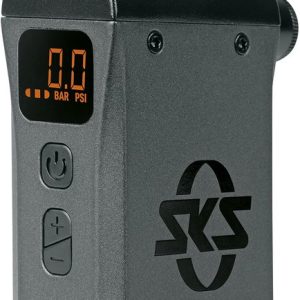
The name refers to how the pump works: it does not necessarily mean it is designed only for electric bikes. Check each model’s specifications to see which tyres and valves it supports.
Models can differ in maximum pressure, inflation speed, battery capacity, size, weight and the way pressure is set or displayed. A compact pump may be easier to carry but have less capacity for repeated inflations, while a larger unit may be more convenient for workshop or home use. The highest pressure figure is not the only measure that matters: compatibility with your tyre, a usable hose and clear controls can be just as important.
On SuperBike8 you can compare available electric bike pumps and retailer offers. Check that you are comparing the same model and any included accessories, then consider the retailer’s delivery costs and terms. Once you have chosen an offer, you continue to the retailer; ordering, payment, delivery, returns, warranty and customer service are handled directly by that retailer.
What to look for in an electric bike pump
Start with where and how you expect to use the pump. If it is mainly for occasional pressure checks at home, a slightly larger unit may be acceptable in return for simpler handling or a larger display. If you want it in a jersey pocket, saddle bag or small rucksack, dimensions and weight become more important. For regular use on several bikes, consider battery capacity, charging arrangements and how easily the pump can be connected to different valves.
Also check what the manufacturer means by the stated pressure capability. Maximum pressure is a limit, not a recommendation for your tyre. A pump must be able to reach the pressure you actually need, but it should also let you set and monitor that pressure conveniently. For tyres used at lower pressures, a readable display and a suitable pressure-setting range may be more useful than an especially high maximum figure.
Pressure, airflow and intended tyre use
Pressure and airflow are related but not interchangeable. A pump’s maximum pressure indicates the upper limit it can provide, while airflow affects how quickly it moves air into a tyre. The practical result depends on the pump and the volume and pressure of the tyre being inflated. A compact electric unit may take longer to fill a high-volume mountain bike tyre than a smaller-volume road tyre, even if its maximum pressure looks suitable for both.
Think about your own bikes rather than buying on a headline specification alone. Road tyres generally need a different pressure range from many gravel or mountain bike tyres, and the correct pressure also depends on tyre construction, rider and luggage weight, rim compatibility and riding conditions. Use the tyre and bike manufacturers’ guidance as a starting point; do not treat a maximum pressure printed on a tyre as a target. If you ride several bike types, check that the pump’s range suits all of them.
Some electric pumps allow you to enter a target pressure and stop automatically, while others require you to monitor the display and stop the pump yourself. Automatic stopping can reduce the chance of overshooting, but it is still sensible to check the pressure reading and confirm the pump is suitable for your tyre. Display units may include bar, PSI or other units; make sure the setting is clear and that you can read it in the conditions in which you expect to use the pump.
Valve compatibility and connection
Check whether the pump connects to Presta valves, commonly found on many road, gravel and mountain bikes, Schrader valves, often found on other bikes, or both. Some pumps use a reversible head or require an adapter. Others may have a separate hose or connector. Do not assume that a pump supports every valve just because an adapter is pictured or mentioned in a general product description; verify what is included with the exact model.
A secure connection matters because a poor fit can allow air to escape or make the pump awkward to use. A flexible hose can make it easier to reach a valve, particularly when the wheel is on the bike, and may reduce strain on the valve stem. Check how the hose is stored and whether it is included. If you use tubeless tyres, follow the tyre and sealant manufacturers’ instructions: a small electric pump may not deliver the sudden airflow needed for every tubeless setup to seat a tyre bead.
Battery, charging and portability
Battery capacity affects how many inflations a pump can manage between charges, but the actual number depends on factors such as tyre volume, starting pressure, target pressure, temperature and battery condition. If you need the pump for repeated use or several bikes, check the manufacturer’s information about capacity and charging rather than assuming a small unit will suit workshop duties. For occasional roadside top-ups, portability may matter more than the ability to inflate many tyres in succession.
Look at the charging method and whether a charging cable is included. A rechargeable pump needs to be charged before it is relied on away from home, and a battery that has been stored for a long period may not be ready for use. Follow the manufacturer’s instructions for charging, storage and temperature. Keep the pump protected from water and dirt unless its specifications explicitly confirm suitable resistance; do not assume that a cycling accessory is waterproof.
Compare the complete carrying package, not just the pump body. A hose, valve adapters or storage pouch may add convenience, but accessories vary by model and may not be included. Consider whether the pump will fit your chosen bag and whether you are comfortable carrying its weight. If you want a non-electric option as a backup, compare the available Mini Pumps as well.
Heat, noise and safe operation
Electric pumps contain a motor and can become warm during use, especially when working at higher pressures or for longer periods. Follow the stated operating and cooling instructions, and avoid touching hot components. Noise is another practical consideration if you expect to inflate tyres indoors or early in the morning; product descriptions may not provide a directly comparable noise figure, so do not assume that all compact pumps sound alike.
Secure the pump and hose before switching it on, keep fingers and loose clothing clear of moving or hot parts, and stop if the unit behaves unusually. Do not exceed the limits for the pump, tyre, rim or valve. An electric tyre pump is not automatically a substitute for a suspension pump: fork and rear shock pressures can require a specialist pump and connector, so use an electric model for suspension only if the manufacturer explicitly states that it is suitable.
Choosing a pump for your riding
| Main use | Prioritise | Check before choosing |
|---|---|---|
| Occasional use at home | Easy pressure setting, a clear display and convenient handling | Whether the pump’s range and connection suit your tyres and valves |
| Carrying on rides | Compact dimensions, manageable weight and secure storage | Battery readiness, included hose or adapters, and expected use between charges |
| Several bikes or frequent inflations | Battery capacity, suitable pressure range and clear operating guidance | The manufacturer’s guidance on repeated use, cooling and charging |
| Roadside back-up | Portability, simple operation and a reliable valve connection | Whether it fits your carry system and is charged before departure |
Electric pumps compared with other bike pumps
An electric pump saves the repeated hand movement of a manual pump, but it depends on a charged battery and has more components to carry and maintain. A hand pump does not need charging and can be a useful emergency option, though inflation takes physical effort. A floor pump is often more comfortable for regular home use because its base and handle provide leverage, but it is less convenient to take on a ride. Compare the wider Bike Pumps range if you are still deciding which type suits your routine.
Neither electric nor manual pumps are automatically right for every job. A rider who checks pressure at home may value an easy-to-read display and automatic stopping; a rider who wants an emergency pump may put low weight and dependable charging first. If the pump is intended for use with balls or other inflatables as well as bike tyres, check that the required attachment is supplied and that the manufacturer confirms the intended use.
Price comparison: compare like with like
Retailers can list different prices for the same electric bike pump, and availability can vary. Check the exact model name and version before comparing offers. Similar product names can refer to different specifications, included fittings or battery arrangements. A lower listed price may also be affected by delivery costs, so consider the total shown by the retailer rather than the headline figure alone.
Check whether the offer is for the pump alone or includes a hose, adapters, cable or case. Do not assume accessories shown in product imagery are part of the package; use the listing details to confirm. The number of products currently available in this category is limited, so it is especially useful to compare the specifications and offer details carefully rather than treating the lowest price as the only deciding factor.
SuperBike8 is a price comparison site, not a retailer. You can compare products and retailer offers here, then continue to the retailer you choose. The retailer handles ordering, payment, delivery, returns, warranty and customer service. You can also browse the wider Accessories category if you need other cycling equipment.
Typical buying mistakes with electric bike pumps
- Choosing by maximum pressure alone: check that the pump’s usable range suits your tyres and that its controls work for your normal pressure-setting needs.
- Assuming it fits every valve: confirm Presta or Schrader compatibility and whether any required adapter is included.
- Confusing a tyre pump with a suspension pump: use an electric model for a fork or shock only when its manufacturer explicitly confirms compatibility.
- Expecting a compact unit to inflate repeatedly without limits: check battery capacity and the manufacturer’s guidance on repeated operation and cooling.
- Ignoring tyre volume: a pump’s performance can differ between a narrow road tyre and a high-volume mountain bike tyre.
- Relying on an uncharged battery: charge and check the pump before a ride, especially after extended storage.
- Assuming tubeless compatibility: a compact pump may not provide the airflow needed to seat every tubeless tyre.
- Overlooking what is included: verify the hose, adapters, cable and case rather than relying on product photographs.
- Setting pressure without checking guidance: use the bike and tyre manufacturers’ recommendations and take rider load and conditions into account.
- Comparing different model versions: match the precise model and specification across retailer offers.
- Forgetting the total cost: take delivery costs and the retailer’s offer details into account when comparing prices.
Three typical buying decisions for Electric Bike Pumps
1. A compact pump to carry on rides
If you want an electric pump for roadside top-ups, prioritise size, weight, a secure valve connection and a battery you can keep charged. Check that it fits your usual bag and can reach the pressure needed for your tyres. A small unit is convenient to carry, but may be less suited to inflating several high-volume tyres one after another.
2. A convenient pump for home pressure checks
For regular use at home, portability may matter less than a clear display, straightforward pressure setting and a comfortable hose connection. Consider whether automatic stopping would help you, and check the pump’s guidance for repeated use. If you have several bikes, confirm the valve fittings and pressure range work across their tyres.
3. One pump for different bikes and tyres
If you want to use one pump across road, gravel and mountain bikes, check the pressure range, airflow suitability, valve compatibility and battery expectations against every tyre type. Avoid assuming that one maximum-pressure figure guarantees equally convenient inflation for both narrow and high-volume tyres. If you also want to inflate suspension, balls or other items, verify that the exact pump is intended for those uses and includes the right fittings.
Your checklist before you order
- Is the exact model intended for bicycle tyres?
- Does its pressure range suit the tyres you need to inflate?
- Are the stated pressure units clear and easy for you to use?
- Does it connect to your Presta or Schrader valves?
- Are any required adapters included with this particular offer?
- Would a flexible hose make access to your valves easier?
- Is the display readable and are the controls straightforward?
- Does it offer automatic stopping, if that is important to you?
- Is the battery capacity suitable for your expected use?
- Is the charging method convenient, and is a cable included?
- Are the pump’s dimensions and weight suitable for your carry system?
- Have you checked the manufacturer’s instructions for repeated use and cooling?
- Does the listing include the case or other accessories you expect?
- Are you comparing the same model version across retailer offers?
- Have you considered delivery costs and the retailer’s terms?
- Are you using the retailer listing to confirm ordering, delivery, returns and warranty details?
Frequently asked questions about Electric Bike Pumps
Are electric bike pumps only for electric bikes?
No. The term describes a pump powered by an electric motor, not necessarily a pump intended only for e-bikes. Check the individual model’s pressure range, valve connection and stated suitability for your bicycle tyres.
Can an electric bike pump inflate both Presta and Schrader valves?
Some models support both, while others require an adapter or are designed for a particular valve type. Check the manufacturer’s specifications and confirm which fittings are included with the exact offer.
Will an electric pump work with tubeless tyres?
It may be suitable for topping up pressure, but not every compact pump provides the airflow needed to seat a tubeless tyre bead. Check the pump and tyre manufacturers’ instructions for your specific setup.
Can I use an electric tyre pump for a suspension fork or shock?
Do not assume so. Suspension components can require a dedicated high-pressure pump and a suitable connector. Use an electric pump for a fork or shock only if the manufacturer explicitly confirms it is designed for that purpose.
How do I choose the right pressure for my bike tyres?
Use the tyre and bike manufacturers’ guidance as a starting point, considering your tyre type, rider and luggage weight, rim compatibility and riding conditions. The maximum pressure printed on a tyre is not automatically the pressure you should use.
How many tyres can an electric bike pump inflate on one charge?
It depends on the pump’s battery and on the tyres’ volume, starting pressure and target pressure, as well as conditions and battery age. Check the manufacturer’s stated guidance for the model rather than relying on a general estimate.
What should I compare when checking electric pump prices?
Compare the precise model and version, pressure range, valve fittings, battery and charging details, included accessories and retailer delivery costs. SuperBike8 lets you compare products and retailer offers; the retailer handles the purchase and related services.