Superbike8.co.uk – The ultimate bike search engine and price comparison site

Superbike8.co.uk – The ultimate bike search engine and price comparison site
Bike Lights

Bike lights help you see the road or trail and make your presence more noticeable to other road users. Read more
Showing 25–36 of 37 results

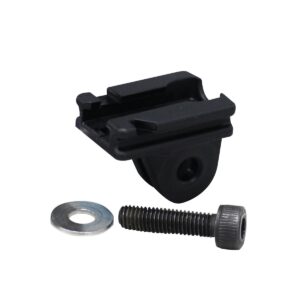
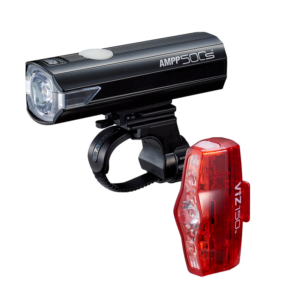
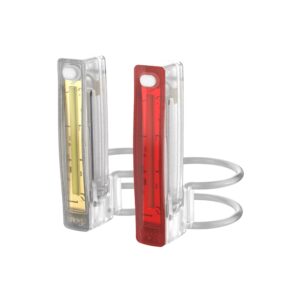
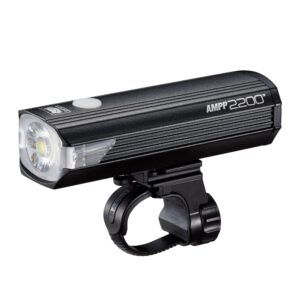
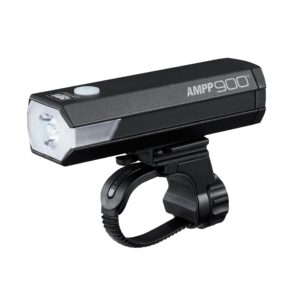
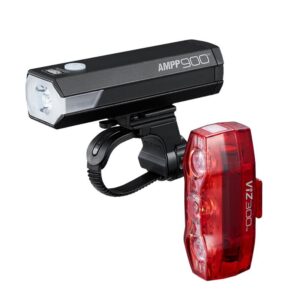


The right set-up depends on where and when you ride: a rider travelling through well-lit streets has different needs from someone using unlit lanes, commuting through winter or riding technical off-road routes after dark. Front and rear lights are often sold separately, as a pair or as part of a wider system, so check exactly what is included.
Brightness figures are only one part of the decision. Beam shape, how the light is mounted, battery life at the selected setting and whether the lamp is suitable for your riding environment all matter. A powerful beam can be uncomfortable for oncoming riders if it points too high, while a compact light may be easy to carry but offer limited run time at its brightest setting.
SuperBike8 is a price comparison site, not a retailer. You can compare available bike lights and retailer offers, then continue to the retailer you choose. Before comparing prices, check that the offers are for the same model and configuration, including whether they contain a front light, rear light, mounts, charging cable or other accessories. Ordering, payment, delivery, returns, warranty and customer service are handled directly by the retailer.
Choosing bike lights for your riding
Start by deciding whether you mainly need to be seen, to see the route ahead, or both. In a town with street lighting, a light intended to make you conspicuous may be sufficient for much of your journey, although a suitable beam can still help you spot potholes and debris. On unlit roads, lanes and trails, you need a front light that illuminates the surface far enough ahead for your speed and stopping distance. A rear light helps following traffic see you, but it does not illuminate the road behind your bike.
Think about your typical conditions rather than choosing solely for the darkest ride you might make. If you regularly ride in winter darkness, rain or on unlit routes, prioritise dependable run time, a useful beam pattern and weather resistance. If you mostly ride in daylight, a compact light that is easy to leave on the bike or carry with you may be more practical. Some riders use separate lights for daytime visibility and night riding, since a setting designed to attract attention is not always the best way to illuminate a road.
Front and rear lights should be treated as a pair in your riding plan, even if you buy them individually. Check that each can be fitted securely to your bike and positioned so it is visible and not obscured by a bag, clothing or accessories. For other cycling accessories, browse the wider Accessories category.
Types of bike lights and related products
The Bike Lights category includes several distinct product types. A front light, rear light, helmet torch and e-bike light do not necessarily serve the same purpose or fit the same power system. The subcategories available include Rechargeable Bike Lights, E-Bike Lights, Helmet & Head Torches and Bike Light Accessories.
| Type | What to consider | Often suits |
|---|---|---|
| Front light | Beam shape, reach, brightness settings, runtime and handlebar or fork mounting. | Riders who need to see the surface ahead as well as be visible. |
| Rear light | Visibility from behind and the sides, attachment position, charging and runtime. | Commuting, road riding and general visibility in low light. |
| Rechargeable light | Charging connection, charge time, battery indication and runtime across modes. | Riders who can charge regularly and want to avoid disposable batteries. |
| E-bike light | Compatibility with the particular motor and electrical system, wiring and installation requirements. | E-bike owners looking for a light powered by the bike’s electrical system. |
| Helmet or head torch | Secure helmet fit, weight, beam direction and whether it is intended to supplement a bike-mounted light. | Off-road riders or anyone who benefits from light following their line of sight. |
Accessories can include replacement or alternative mounting parts, but do not assume a mount fits every lamp, handlebar or seatpost. Check the product details for what is included and verify compatibility with the specific light and bike before choosing an accessory.
Brightness, beam shape and glare
Manufacturers may describe a light’s output in lumens, but that figure alone does not tell you how well the beam illuminates the road. The lens and reflector design determine how the light is distributed: a broad beam can help with peripheral awareness, while a more focused beam can project further. The useful choice depends on your route, speed and the amount of ambient light. Compare beam descriptions and product information where available, rather than treating a higher lumen number as an automatic indication of a better light.
For road use, aim and beam control matter. A front light angled too high can dazzle other road users, particularly on shared paths or busy roads. Follow the manufacturer’s mounting and aiming instructions, and check the beam from a position similar to that of an approaching cyclist or driver. On a dark trail with few other users, a rider may want more illumination, but should still be considerate when meeting others.
Multiple brightness settings are useful when they are easy to select and match your conditions. A lower setting can conserve battery on familiar or lit roads; a stronger setting may be useful on dark sections. Flashing modes can help a light stand out in some situations, but they are not a substitute for a steady beam when you need to see the surface. Consider whether you can switch modes without taking your attention from riding.
Battery, runtime and charging
Runtime claims usually depend on the selected mode and test conditions. The brightest setting will generally use more power than a lower one, and the useful run time can also be affected by battery condition and temperature. Check the stated runtime for the mode you expect to use, rather than relying on the longest figure if it refers to a low-output setting. A battery indicator or clear warning before power runs out can be helpful for regular commuting.
Rechargeable lights are convenient if you have a dependable charging routine. Check the charging connection, whether a cable is supplied, and how long charging takes if that information is provided. If you leave a light attached to the bike, consider whether it is easy to remove for charging and whether you can take it with you when parking. A removable light can be practical, but it is also one more item to remember before a ride.
For long rides, plan around realistic use rather than assuming the battery will last for the whole journey on its highest setting. You may choose a light with additional capacity, carry a suitable spare light, or use lower settings where conditions allow. Do not wait until a battery is nearly empty to find out whether its remaining-power indication is easy to understand.
Mounting, fit and compatibility
A light is only useful if it can be fitted securely in a position where it works. Handlebar-mounted front lights need enough space around the stem, cables, computer and any handlebar bag. Rear lights commonly attach to a seatpost or another part of the bike, but seat bags, racks and clothing can obstruct them. Check the mounting method and the dimensions or compatibility details supplied for the product. If you use more than one bike, confirm that the mount can be moved between them without difficulty.
Helmet lights can point where you look, which is useful when scanning a bend or trail. They are usually best considered as an addition to a properly positioned bike light rather than an automatic replacement: a helmet-mounted beam moves with your head and may not provide the same steady reference to other road users. Check that the light can be attached securely to your particular helmet and that its weight and position are comfortable.
E-bike lights require particular care. Some are designed to connect to a bike’s electrical system, and compatibility can depend on the motor, voltage, wiring, connector and the bike manufacturer’s installation requirements. Do not assume that a light described as an e-bike light works with every e-bike, or that it can be connected without specialist installation. Check the exact product and bike documentation, and consult the bike manufacturer or a qualified bike shop if the required connection is unclear.
Lights for UK roads and changing conditions
In the UK, lighting requirements apply when cycling at night and in conditions of seriously reduced visibility. The rules can depend on the type and approval of the equipment, so check current official guidance and the product information rather than assuming every decorative or visibility light meets the requirements for road use. A front light should be white and a rear light red when required; reflectors and other requirements may also apply. This is general information, not legal advice.
Rain, spray and road grime can reduce visibility and affect equipment. Look for clear information about weather resistance and keep the lens clean so mud and water do not obscure the beam. After riding in wet conditions, check the light and its mount for movement or damage. Avoid leaving a rechargeable light connected to a charger or stored contrary to its manufacturer’s instructions.
In winter, shorter daylight hours make it more likely that a routine ride will finish in darkness. If you commute, include the return journey and likely delays when considering battery capacity. A backup light can be useful for riders who rely on cycling after dark, but check that it is suitable for the same mounting position and conditions.
How to compare bike light offers
Retailers may list different prices for the same light, and colours or versions can be discounted differently. Compare like with like: check the model name, generation, output modes, battery arrangement and included mounts. A bundle may contain a front and rear light, while another listing may be for a single lamp or an accessory only. Read the contents carefully before comparing the headline price.
Delivery costs can affect the total price, and product availability may differ by retailer. Previous-year models or older colour variants may cost less and can still be suitable, but technical details can change under similar product names. Confirm the precise version and its specifications instead of assuming two listings are identical.
On SuperBike8 you can compare products and retailer offers before choosing where to continue. The retailer handles the transaction and all questions about ordering, payment, delivery, returns, warranty and service. If you are comparing a light with related accessories, make sure the mount or charging cable is included or available separately as required.
Typical bike light buying mistakes
- Choosing by lumen figure alone without checking beam shape, reach and intended use.
- Buying a light suited to visibility on lit streets when you regularly need to illuminate unlit roads or trails.
- Ignoring runtime at the brightness setting you are most likely to use.
- Assuming a front-and-rear set is included when the listing is for one light only.
- Overlooking whether the light’s mount fits your handlebar, seatpost, rack or helmet.
- Positioning a powerful front beam too high and dazzling oncoming road users.
- Assuming an e-bike light is compatible with every motor or can be installed without checking the electrical system.
- Forgetting that a bag, rack, clothing or other accessory may obscure a rear light.
- Comparing different product generations or bundles as if they contain identical equipment.
- Relying on a helmet torch alone without considering a stable bike-mounted light and other road users.
- Leaving charging, battery indication and the need to remove the light from the bike until after purchase.
Three typical buying decisions for Bike Lights
1. A commuter riding mainly on well-lit streets
Prioritise a practical front and rear set that is quick to fit, easy to remove and simple to charge. You may not need a trail-oriented beam for most of the route, but choose a front light that remains useful on darker stretches and check its runtime at the setting you plan to use. Make sure the rear light is not hidden by a pannier or jacket.
2. A rider regularly using unlit roads or lanes
Focus on the front light’s beam pattern and usable illumination, not just its maximum output figure. Match the beam to your speed and route, and consider runtime on the setting needed for dark sections. Aim the light carefully to balance seeing the road with avoiding glare for other road users, and choose a rear light that remains visible from behind.
3. An e-bike owner replacing or upgrading integrated lighting
Check the exact e-bike system and the light’s electrical and mounting compatibility before comparing price. Confirm whether the product requires wiring or installation, and whether your bike manufacturer permits the connection. If the specifications are unclear, seek advice from the bike manufacturer or a qualified bike shop rather than buying on the basis of the label alone.
Your checklist before you order
- Decide whether you need a front light, rear light, a set, an e-bike light or a helmet torch.
- Match the light to your usual routes, riding hours and ambient lighting.
- Check beam shape and intended use as well as the advertised brightness.
- Review runtime for the mode you are likely to use.
- Check how the light charges, whether a cable is included and how battery status is shown.
- Confirm the mounting type fits your handlebar, seatpost, rack or helmet.
- Check that bags, clothing and accessories will not block the light.
- For an e-bike light, verify compatibility with the exact bike electrical system and installation requirements.
- Confirm whether the listing is for a single light, a front-and-rear set or an accessory.
- Compare the precise model version, specification and included parts across retailer offers.
- Review weather-resistance information and follow the manufacturer’s care and charging guidance.
- Check current UK lighting guidance and whether the equipment is suitable for the way you intend to ride on roads.
- Consider how you will remove, charge and store the light when the bike is parked.
- Include any delivery costs when comparing retailer offers.
Frequently asked questions about Bike Lights
How bright should a bike light be?
It depends on whether you need to be seen or to see the route ahead, and on how dark and fast your usual rides are. Compare beam shape and the light’s intended use alongside lumen figures; a higher output number alone does not describe how effectively the beam illuminates the road.
Do I need both a front and a rear bike light?
A front light helps you see and be seen from ahead, while a rear light helps other road users notice you from behind. For riding in darkness or poor visibility, a suitable front-and-rear set-up is generally the practical choice. Check current UK requirements for the conditions in which you ride.
Are rechargeable bike lights a good choice?
They can be convenient if you can charge them regularly and remove or access them easily. Check the charging connection, stated runtime at relevant settings and battery indication. Riders on long journeys should plan for the actual mode and duration they need rather than relying on a maximum runtime figure.
Can I use any e-bike light on my electric bike?
No. Compatibility may depend on the e-bike’s motor, electrical system, wiring and connectors, as well as installation requirements. Check the light and bike documentation for the exact system, and ask the bike manufacturer or a qualified bike shop if you are unsure.
Can a helmet torch replace a bike-mounted front light?
A helmet torch can direct light where you look, which can help on trails or when checking a turn. Its beam moves with your head, so it may not provide the same steady lighting or visibility to others as a bike-mounted light. Check the helmet fit and consider using it as a supplement.
Does SuperBike8 sell or deliver bike lights?
SuperBike8 is a price comparison site where you can compare products and retailer offers. After choosing an offer, you continue to the retailer. Ordering, payment, delivery, returns, warranty and customer service are handled directly by that retailer.