Superbike8.co.uk – The ultimate bike search engine and price comparison site

Superbike8.co.uk – The ultimate bike search engine and price comparison site
E-Bike Lights

E-bike lights are designed for use on electric bikes, but the way they receive power varies. Some connect to a compatible e-bike drive system and draw power from its main battery; others have their own rechargeable or replaceable battery. Read more
Showing the single result
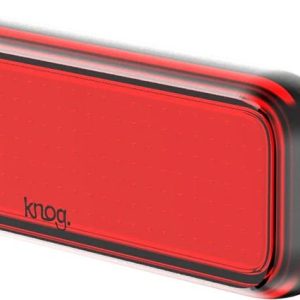
The right choice depends on your bike’s electrical system, how you ride and whether you want a light that is permanently fitted or easy to move between bikes.
Power source is only part of the decision. Check that the light is compatible with your motor system and wiring, then compare the beam pattern, brightness information, mounting position and controls. A focused beam can help you see the road ahead, while a light intended mainly to make you visible may not illuminate an unlit route sufficiently. A high lumen figure on its own does not show how effectively a lamp directs light where you need it.
SuperBike8 is a price comparison site, not a bike shop. You can compare available e-bike lights and retailer offers here, then continue to the retailer whose offer you choose. Check the precise model and included fittings before comparing prices: installation parts, wiring and compatibility can differ. Ordering, payment, delivery, returns, warranty and customer service are handled directly by the retailer.
Choosing an e-bike light by power source
The first question is whether you want the light to use the bike’s main battery or to operate independently. Neither arrangement is automatically best for every rider. A permanently wired light can be convenient for regular commuting, while a self-powered lamp can suit a bike that has no compatible lighting connection or is shared between different bikes.
| Power source | Can suit | What to check |
|---|---|---|
| E-bike battery connection | A bike used regularly where a neat, fixed installation is preferred. | Motor and battery compatibility, supported voltage, connector, wiring and any required settings or installation parts. |
| Rechargeable built-in battery | Riders who want a removable light or need to use it on more than one bike. | Charging method, charging time, stated runtime at each mode, battery indication and how the light attaches. |
| Replaceable batteries | Occasional use or situations where carrying replacement batteries is useful. | Battery type, availability, whether batteries are included and how the light behaves as power runs low. |
Battery-connected lighting may be integrated into the bike’s controls or display, but this depends on the system and light. Do not assume that a light described as suitable for e-bikes will work with every e-bike. Check the manufacturer’s compatibility information for the exact motor system and model, and confirm whether a cable, adapter or professional installation is needed. A connector that looks similar is not proof that the electrical specifications match.
A standalone rechargeable light avoids dependence on the bike’s lighting output, but needs charging and can be forgotten or left behind. Its runtime varies with brightness and mode, so use the manufacturer’s figures for the setting you expect to use rather than relying only on a maximum-runtime claim. If the light is your main source of illumination on dark journeys, consider how you will recharge it and whether its remaining-charge indicator is clear.
Beam pattern, brightness and visibility
Think about where you ride before comparing brightness figures. On lit urban streets, a light’s main job may be to help other road users notice you. On unlit roads or paths, you also need a beam that illuminates the surface ahead, including bends, potholes and changes in the road. A broad beam can help reveal more of the surrounding area, while a more concentrated beam can project light further forward; the useful balance depends on speed, terrain and riding position.
Lumen figures describe the amount of light produced, but do not explain how it is distributed. Two lights with similar stated output can create different beams. Look for product information about beam shape and intended use, and check whether the design is intended for road riding or primarily off-road use. A poorly aimed or unsuitable beam can dazzle other people, particularly on shared paths or roads. Follow the maker’s fitting instructions and adjust the light so it illuminates the route without shining unnecessarily into oncoming eyes.
Front and rear lights have different jobs. The front light helps you see and be seen; the rear light is intended to make you visible from behind. A rear light’s side visibility can matter at junctions, while mounting position affects how visible it is behind a saddlebag, mudguard or rider. Check whether a rear light is included or sold separately, and do not assume that a front-light listing is a complete lighting set.
Mounting, controls and everyday use
For a wired light, check where it can be mounted and how its cable will be routed. A front light may need to fit around the handlebar, display, brake hoses, basket or handlebar bag. Rear lights can attach to a rack, seatpost or another designated fitting, depending on the model. Confirm that the chosen position leaves the lamp visible and that the mount suits the diameter or fitting point stated by the manufacturer.
Removable lights are useful if you park in public places or want to take the light with you, but a quick-release mount should still hold the lamp securely on rough surfaces. If you use a helmet, bag or alternative handlebar setup, check that the beam remains correctly aimed and is not blocked. For a fixed system, make sure the switch is easy to operate while riding and that its controls work with your particular e-bike setup.
Weather resistance and construction are also relevant to UK riding. Check the product details for its stated weather suitability rather than assuming every light can withstand heavy rain or pressure washing. After wet rides, keep charging ports closed as instructed and clean the lens and mount gently. For wired systems, inspect visible cables and fittings for damage, and ask a qualified bike shop or the e-bike manufacturer for help if electrical installation is outside your experience.
Road use and safe lighting
If you ride on public roads after dark or in conditions of seriously reduced visibility, your bicycle needs appropriate front and rear lighting. Requirements can depend on the type of lamp and its use, so check current UK road-lighting rules and the product’s stated suitability for road use. This is general buying guidance, not legal advice. A lamp designed for off-road riding may have a powerful beam that is unsuitable for use around other road users unless it can be adjusted or operated appropriately.
Lights do not replace other visibility measures. Keep lenses clean, make sure the lamps are securely fitted and check that bags or clothing do not obscure them. Before setting off, confirm that both lights switch on and that the battery or e-bike system has sufficient charge for the journey. Carrying a separate backup light can be useful for riders who depend on lighting for regular evening journeys, especially if their main setup relies on a rechargeable battery.
Price, included parts and model versions
Retailer offers can differ, and discounts may apply to particular versions, colours or older model years. When comparing e-bike lights on SuperBike8, check that the offers refer to the same model and configuration. A listing might be for a front light only, a rear light, a set or a light supplied with a particular mount. Compare what is included rather than assuming that cables, brackets or adapters come in every box.
For a bike-battery-powered lamp, the cost of any compatible wiring or fitting components can affect the overall value. For an independent rechargeable light, check whether a charging cable or mounting bracket is included and whether any specified parts are sold separately. Delivery costs can also affect the total price. Once you select an offer, you continue to the retailer; the retailer provides the final product information and handles the transaction and any after-sales matters.
Previous-year models or older colour options may be listed at a lower price and can still suit your needs. However, a similar product name does not guarantee identical features. Check the exact version, connector, beam design, included mount and battery details against the manufacturer’s information before deciding.
Typical e-bike light buying mistakes
- Assuming any e-bike light fits any motor system: verify the exact system, voltage and connector compatibility before buying a wired lamp.
- Confusing e-bike compatibility with battery connection: some lights marketed for e-bikes have their own battery and do not connect to the bike.
- Choosing by lumens alone: consider beam shape, intended use and how the lamp can be aimed, not just its headline output.
- Buying a front light when you need a full set: check whether a rear lamp and the required fittings are included.
- Overlooking the mounting position: displays, cables, racks, bags and mudguards can obstruct a light or make its mount unsuitable.
- Ignoring runtime at the chosen setting: check runtime information for the mode you expect to use and plan how you will recharge the lamp.
- Using an off-road beam around other road users without adjustment: fit and aim the light responsibly, following its instructions.
- Comparing different versions as if they were the same: check model year, connector, bundle contents and fittings on each retailer offer.
- Assuming installation is always plug-and-play: confirm whether wiring, settings, adapters or a bike-shop installation are required.
- Forgetting the total cost: account for any necessary compatible parts and delivery costs when assessing retailer offers.
Three typical buying decisions for E-Bike Lights
1. A regular commuter wants lights that stay on the bike
A permanently fitted, bike-battery-powered light may suit a commuter who rides the same e-bike frequently and values a tidy setup. Before choosing one, confirm compatibility with the exact motor system, check whether the bike has a suitable lighting connection and find out what wiring or installation is needed. If those details are uncertain, a standalone rechargeable light may be a simpler option.
2. A rider needs to swap one light between bikes
A rechargeable standalone light is often practical when you use more than one bike or want to remove the lamp when parking. Prioritise a secure, compatible mount, straightforward charging and runtime that suits your journeys. If you use the light on both lit streets and darker routes, check that its beam and modes are appropriate for both conditions.
3. A rider regularly uses unlit roads and paths
For dark routes, look beyond visibility and assess how well the front beam illuminates the surface ahead. Compare the beam information, mounting adjustment and brightness modes, and check how the light can be aimed to avoid dazzling others. Pair it with a clearly visible rear light and make sure the chosen power source will last for the journeys you actually ride.
Your checklist before you order
- Is the light a front lamp, rear lamp or complete set?
- Does it use the e-bike battery, a rechargeable internal battery or replaceable batteries?
- For a wired light, is it confirmed compatible with your exact motor and battery system?
- Are the required connector, cable, adapter and installation parts included or available?
- Does the beam suit your usual routes, including any unlit roads or paths?
- Have you considered beam shape and aiming as well as the stated brightness?
- Can the mount fit your handlebar, rack, seatpost or other intended position?
- Will the light remain visible with your display, bags, mudguards and riding position?
- Does the stated runtime suit the mode and journey length you expect?
- Is the charging method or replacement battery type practical for you?
- Is the product described as suitable for the road use you have in mind?
- Are the retailer offers for the same model version and included fittings?
- Have you checked delivery costs and any extra parts needed for a complete setup?
- Have you read the manufacturer’s installation, aiming and care instructions?
Frequently asked questions about E-Bike Lights
Can I use any bike light on an e-bike?
A standalone battery-powered light can often be fitted to an e-bike if its mount suits the bike. A light that connects to the e-bike battery must be compatible with the specific electrical system, so check the manufacturer’s details before buying.
Do all e-bike lights run from the main battery?
No. Some connect to the bike’s battery, while others have a built-in rechargeable battery or use replaceable batteries. Check the product listing to confirm the power source and whether it needs a compatible connection to the bike.
Are rechargeable bike lights suitable for e-bikes?
They can be, provided the mount fits and the light meets your needs. A standalone rechargeable light does not usually depend on the e-bike’s electrical system, but you will need to keep it charged and check its runtime for the modes you use.
How bright should an e-bike light be?
It depends on where and when you ride. A light used mainly to help you be seen on lit streets has a different job from one expected to illuminate dark roads or paths. Compare beam design and intended use as well as the stated output, and make sure the light can be aimed considerately.
Do I need a separate rear light?
Check the product description carefully. Some listings cover only a front light, while others may include both front and rear lamps. A rear light has a separate visibility role, so make sure your setup includes one and that it can be seen clearly from behind.
Can I install a battery-connected light myself?
Installation depends on the light and e-bike system. Some setups may need compatible wiring, settings or additional parts. Follow the manufacturer’s instructions and, if you are unsure about electrical compatibility or fitting, ask the e-bike manufacturer or a qualified bike shop.
What should I check when comparing e-bike light prices?
Compare the exact model and version, power source, compatibility, beam details, mounting hardware and what is included. A low listed price may not include a needed cable, adapter or rear light. Delivery costs can also affect the total. SuperBike8 lets you compare available products and retailer offers; the retailer handles the purchase and related service.