Superbike8.co.uk – The ultimate bike search engine and price comparison site

Superbike8.co.uk – The ultimate bike search engine and price comparison site
Full Suspension E-Bikes
Showing all 2 results
-
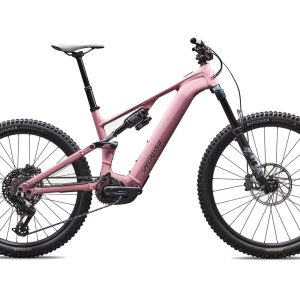 Specialized
 Turbo Levo Comp Alloy G4 – 840 Wh – 29/27.5″ – Full suspension
View DetailsFull-sus · Specialized · 840 Wh · 27.5"Price range: 0,00 £ through 5.999,99 £ -
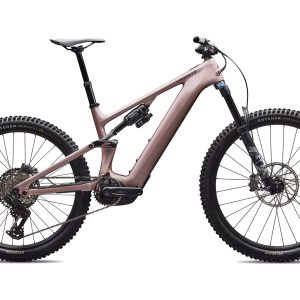 Specialized
 Turbo Levo Comp Carbon G4 – 840 Wh – 29/27.5″ – Full suspension
View DetailsFull-sus · Specialized · 840 Wh · 27.5"Price range: 6.336,00 £ through 7.999,00 £
Full suspension e-bikes combine a motor and battery with suspension at both the front and rear. The rear shock helps the back wheel track uneven ground, while the fork absorbs impacts at the front. This can make rough descents, rocky trails and root-strewn tracks more controlled and comfortable than they may be on a rigid or front-suspension-only bike. The extra equipment also brings trade-offs: full suspension designs can be heavier, more complex and more expensive than hardtails.
The right model depends on where and how you ride. A bike intended for steep, technical trails may have different suspension travel, geometry and components from one designed for flowing woodland paths or general off-road riding. Motor assistance can make long climbs more manageable, but it does not remove the need to choose suitable tyres, brakes, gearing and a frame size that fits your body.
On SuperBike8, you can compare full suspension e-bikes and retailer offers by model and specification. Check the exact model version, size, colour and included equipment before comparing prices: similar names can cover different builds or model years. Once you have chosen an offer, you continue to the retailer. Ordering, payment, delivery, returns, warranty and customer service are handled by that retailer.
What makes a full suspension e-bike different?
A full suspension e-bike has a suspension fork at the front and a rear suspension system, usually built around a shock and a linkage in the frame. The design allows the rear wheel to move in response to bumps. On rough terrain, that movement can help keep the tyre in contact with the ground, which may support grip and control. It can also reduce some impacts reaching the rider, especially on repeated bumps.
Suspension is not automatically an advantage on every ride. On smooth paths and roads, the additional rear mechanism may add weight and require more maintenance without offering much benefit. Some designs include suspension settings or a lockout intended to reduce movement when climbing or riding smoother surfaces; the exact features vary by model. A rear shock also needs to be set up for the rider and maintained according to the manufacturer’s instructions.
Compared with Hardtail E-Bikes, full suspension models add rear suspension and generally suit riders who expect to spend more time on uneven, technical trails. A hardtail has a simpler rear end and can be a practical choice for smoother routes or riders prioritising simplicity. Both are part of the wider Electric Mountain Bikes category.
Match the bike to your terrain
Think about the roughest terrain you regularly ride, not just the occasional challenging trail. For smooth bridleways and forest tracks, a long-travel bike built for demanding descents may be more bike than you need. If your rides include steep, rocky sections and repeated impacts, a more trail-focused design may offer useful control and composure. Geometry, suspension design and component choices all affect how a bike feels; travel figures alone do not tell the whole story.
| Riding pattern | What to prioritise | Potential compromise |
|---|---|---|
| General off-road riding and flowing trails | A balanced trail setup, manageable handling and components suited to your usual routes | A more downhill-oriented build may feel cumbersome on flatter or less technical rides |
| Steep or rough trails with regular descents | Stable geometry, suitable suspension and dependable brakes and tyres | A robust build can add weight and may be less lively on smoother routes |
| Long rides with substantial climbing | A motor and battery setup suited to your ride length, a comfortable position and practical gearing | Range depends on the system, route, rider and conditions; assistance does not guarantee a particular distance |
| Mostly smooth paths or mixed everyday use | Consider whether rear suspension is genuinely useful for the routes you ride | A full suspension frame has extra moving parts and may be unnecessary for consistently smooth surfaces |
Suspension travel, setup and geometry
Suspension travel describes how far the fork or rear wheel can move through its suspension stroke. More travel can help a bike cope with larger impacts, but it is not a simple measure of quality or suitability. The frame’s geometry, suspension design, shock tune and intended use affect how that travel behaves. Compare the complete bike rather than choosing solely by the largest figure.
Suspension setup should take account of rider weight, riding style and the manufacturer’s guidance. If the suspension is too soft or too firm for you, the bike may not feel as controlled or comfortable as intended. Some shocks offer adjustments that influence how quickly suspension compresses or returns; the controls and adjustment range differ between products. If you are new to suspension setup, ask the retailer or a qualified bike mechanic what support is available, and consult the manufacturer’s instructions.
Geometry influences stability, climbing position and how readily the bike changes direction. A longer, more stable-feeling design may suit steeper descents, while a more compact or upright-feeling setup may appeal to riders who value manoeuvrability or a comfortable position. These are broad tendencies, not guarantees: compare geometry figures such as reach and stack where available, and consider them alongside a test ride if one is possible. Do not assume that two bikes with the same nominal wheel size or frame label will handle alike.
Motor, battery and range considerations
Electric mountain bike systems differ in motor assistance, controls, battery configuration and available modes. A motor can help on climbs and make it easier to maintain momentum, but assistance is affected by factors including terrain, gradient, rider input, selected mode, load, temperature and battery condition. For that reason, a stated battery capacity or a range estimate should not be treated as a guaranteed distance for every ride.
Consider your usual ride length and whether there are charging opportunities, rather than focusing on battery capacity in isolation. A larger battery may be useful for longer rides or routes with sustained climbing, but can contribute to the bike’s overall weight. Some bikes have a removable battery, while others use a battery integrated into the frame; configurations vary. If you expect to charge the battery away from the bike, check whether the specific design and retailer’s information confirm that it can be removed.
Motor assistance is intended to complement pedalling, not replace it. Controls should be easy to understand while riding, and assistance modes should suit the terrain and your preference. Check the system’s compatibility with any app, display or charger you expect to use, and make sure replacement or service arrangements are clear to you through the relevant manufacturer and retailer.
In the UK, an electrically assisted pedal cycle (EAPC) must meet applicable requirements to be treated as an ordinary pedal cycle on public roads. These generally include assistance that cuts off at 15.5 mph (25 km/h), a motor with a maximum continuous rated power of 250 watts, and pedals that can propel the cycle. Different rules may apply to vehicles that do not meet the EAPC requirements, so check current official guidance for your intended use rather than assuming every electric mountain bike has the same legal status.
Frame size, fit and riding position
A suitable frame size helps you control the bike, reach the controls comfortably and move around the bike on technical terrain. Manufacturers use different sizing systems and geometry, so a size label such as medium is not consistent across brands. Use the specific manufacturer’s size chart and recommendations, and compare measurements such as reach and stack where the information is available.
Your height can be a useful starting point, but it does not tell the whole story. Inseam length, arm and torso proportions, flexibility and preferred riding position can all affect fit. Reach describes the horizontal distance from the bottom bracket area to the top of the head tube, while stack describes the corresponding vertical distance. These figures can help compare frame proportions, but they do not replace a complete fit assessment.
Do not choose a smaller frame simply because you expect it to feel more agile, or a larger one because it appears more stable. Either choice can affect comfort and control. Also check the saddle height range, handlebar position and dropper seatpost specification, if fitted. If you sit between sizes, use the brand’s guidance and consider how you want the bike to handle; a knowledgeable bike shop can help assess fit.
Components that affect control and durability
Brakes and tyres
Full suspension e-bikes are used on terrain where reliable braking and grip matter. Compare the brake specification and rotor sizes between versions, but do not assume that a larger rotor alone determines braking performance. Brake setup, pad condition, rider and bike weight, terrain and riding style also matter. Tyres influence grip, rolling resistance and comfort: a more aggressive tread may suit loose or muddy trails, while a less pronounced tread can roll more readily on hard-packed ground. Check the tyre width and frame clearance if you may want to change tyres later.
Gearing and drivetrain
The gear range affects how easily you can pedal when assistance is low, when climbing, or if the battery runs out. A wide-range cassette can help on steep climbs, while closer gear steps may be useful if you ride at a steady pace on less varied terrain. Check the number and range of gears, but also consider the motor system and the trails you ride. Keep the drivetrain clean and follow the component maker’s maintenance advice, as off-road riding can expose the chain and gears to dirt and grit.
Wheels, contact points and practical details
Wheel size and tyre choice influence how the bike rolls over obstacles and changes direction, but the complete geometry and wheel-and-tyre combination matter more than a single label. Check whether the bike is supplied with the pedals you need, as equipment can vary by model and retailer. Mudguards, lights and a kickstand are not guaranteed on a mountain bike, so confirm what is included if you need them for commuting or everyday use.
Weight, upkeep and ownership
Full suspension e-bikes generally have more frame and suspension components than simpler bikes, while their motor and battery add further mass. The actual weight depends on the model and specification; compare published figures only when they refer to the same size and build. Consider whether you need to lift the bike onto a rack, carry it up steps or store it in a confined space. A heavier bike may also feel different when manoeuvring without assistance.
Rear suspension includes pivots and a shock that need inspection and maintenance. Dirt, water and repeated impacts can contribute to wear, so clean the bike appropriately after muddy rides and follow the manufacturer’s service guidance. Avoid directing high-pressure water at bearings, seals, electrical connections or other sensitive areas. The motor and battery also require care; use the specified charger and follow the system maker’s instructions for charging, storage and cleaning.
Before choosing a model, consider access to suitable servicing and parts for its suspension and electrical system. Warranty terms and service arrangements depend on the manufacturer and retailer. SuperBike8 helps you compare products and retailer offers; it does not handle repairs or provide warranty service.
Comparing prices and model versions
Retailer offers can differ, and discounts may apply to particular sizes, colours or model years rather than every version. A previous-year model can be worth considering if its specification suits your riding, but do not assume that a bike with a familiar name is unchanged from one year to the next. Frame details, motor system, battery, suspension or components may differ. Compare the full specification and model year before deciding.
On SuperBike8, check that the offers you compare relate to the same model version and size. Also check whether the displayed offer is for a complete bike and what equipment is included. Delivery costs can affect the total price. Bikes may arrive partly assembled; the retailer’s offer should clarify the assembly provided and any steps you will need to complete before riding. Ordering, payment, delivery, returns, cancellation rights, warranty and customer service are handled exclusively by the retailer you choose.
Typical buying mistakes to avoid
- Choosing by suspension travel alone instead of considering geometry, shock setup and the terrain you ride.
- Buying a downhill-oriented or particularly heavy build when most rides are on smooth paths and moderate trails.
- Assuming a larger battery guarantees a specific range without accounting for terrain, assistance mode and riding conditions.
- Picking a frame size from height alone and overlooking inseam, reach, stack and manufacturer-specific sizing.
- Comparing different model years or component builds as though they were identical because their names are similar.
- Ignoring brake, tyre and drivetrain specifications when the bike will be used on steep or demanding trails.
- Forgetting to check whether the battery is removable if you need to charge it away from the bike.
- Assuming pedals, mudguards or other accessories are included without checking the product and retailer information.
- Overlooking the bike’s weight when you need to lift, store or transport it regularly.
- Comparing an offer without accounting for delivery costs, assembly details or the retailer’s terms.
- Expecting a full suspension e-bike to need no setup or maintenance; suspension and electrical systems require appropriate care.
Three typical buying decisions for Full Suspension E-Bikes
1. You ride varied trails and want a balanced all-rounder
Prioritise a comfortable fit, predictable handling and a suspension setup suited to the roughest trails you regularly ride. Compare the complete specification, including brakes, tyres and gearing, rather than choosing the bike with the most travel. A balanced model may be easier to enjoy on both climbs and flowing descents than a more specialised build.
2. Your regular routes are steep and technically demanding
Look closely at geometry, suspension design, brake specification and tyre choice. A stable-feeling bike with components suited to repeated descents may be more useful than a lighter build designed around smoother terrain. Check the fit carefully too: control on challenging trails depends on being able to move comfortably around the bike.
3. You want rear suspension but also ride long distances
Balance suspension and component choices with battery configuration, comfort and the bike’s overall weight. Consider your usual distance, climbing and charging options, but treat range estimates as dependent on riding conditions. Compare model versions carefully and decide whether the benefits of rear suspension on your routes justify the extra complexity and upkeep.
Your checklist before you order
- Does the bike’s intended use match the terrain and difficulty of your regular rides?
- Have you compared suspension design and overall geometry, not just travel figures?
- Does the manufacturer’s size chart support your chosen frame size?
- Have you considered reach, stack, inseam and your preferred riding position?
- Is the motor and battery configuration suitable for your typical routes and charging arrangements?
- Have you checked the model’s legal status for the way you intend to use it?
- Are the brakes, tyres and drivetrain appropriate for your terrain?
- Have you checked the bike’s weight and whether it will be practical to lift or store?
- Are you comparing the same model year, size, colour and component build?
- Have you confirmed whether pedals and any accessories you need are included?
- Have you checked delivery costs and the retailer’s information about assembly?
- Have you read the retailer’s terms for ordering, delivery, returns, warranty and service?
- Do you understand the manufacturer’s guidance for charging, cleaning and suspension maintenance?
Frequently asked questions about Full Suspension E-Bikes
Are full suspension e-bikes suitable for beginners?
They can suit beginners who expect to ride uneven trails and value the rear suspension’s added comfort and control. Consider fit, handling, weight and the complexity of maintenance as well as the motor. For smoother routes, a full suspension design may not provide enough benefit to justify its added cost and upkeep.
What is the difference between a full suspension e-bike and a hardtail e-bike?
A full suspension model has suspension at the front and rear, while a hardtail has a suspension fork but no rear suspension. Rear suspension can be beneficial on rougher trails, whereas a hardtail has a simpler frame design and may suit smoother routes. The best choice depends on your terrain, priorities and budget.
Does more suspension travel always mean a better bike?
No. More travel can help a bike handle larger impacts, but it does not determine overall quality or suitability. Geometry, suspension design, setup and components all affect how the bike performs. Choose according to your regular terrain rather than the largest travel figure.
How far can a full suspension e-bike travel on one charge?
There is no single distance that applies to every bike or ride. Range depends on the motor and battery system, assistance mode, gradient, surface, rider and carried load, among other conditions. Use manufacturer information as a guide and consider your route and charging options rather than treating an estimate as guaranteed.
How do I choose the right frame size?
Start with the size chart for the specific manufacturer and model. Frame labels are not consistent between brands, and height alone may not establish the best fit. Consider inseam, reach, stack and your preferred riding position; seek advice from a bike shop if you are between sizes or unsure.
Can I compare previous-year full suspension e-bikes?
Yes. Previous-year models can offer a useful alternative, but specifications may change even when the model name is similar. Check the model year, motor, battery, suspension and components to confirm that the bike meets your requirements before comparing offers.
Does SuperBike8 sell or deliver full suspension e-bikes?
No. SuperBike8 is a price comparison site where you can compare products and retailer offers. When you choose an offer, you continue to the retailer. The retailer handles ordering, payment, delivery, returns, warranty and customer service.