Superbike8.co.uk – The ultimate bike search engine and price comparison site

Superbike8.co.uk – The ultimate bike search engine and price comparison site
Electric Touring Bikes
Showing all 4 results
-
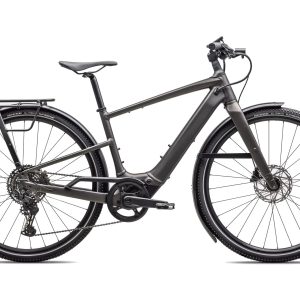 Specialized
 Turbo Vado SL 2 4.0 EQ – 520 Wh – 28″ – Diamond – 2026
View DetailsSpecialized · 520 Wh · 28" · 20.3 kg2.499,00 £ -
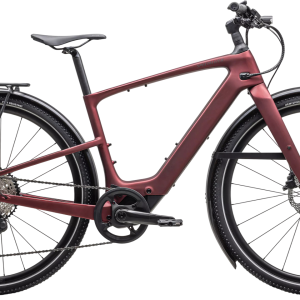 Specialized
 Turbo Vado SL 2 6.0 EQ Carbon – 520 Wh – 28″ – Diamond – 2026
View DetailsSpecialized · 520 Wh · 28"Price range: 0,00 £ through 6.500,00 £ -
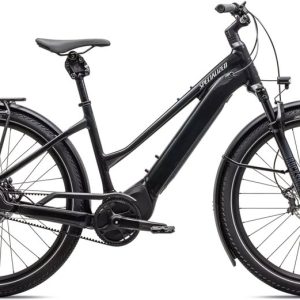 Specialized
 Turbo Vado 5.0 IGH ST NB – 710 Wh – 27.5″ – Trapezeee
View DetailsSpecialized · 710 Wh · 27.5"3.599,00 £ -
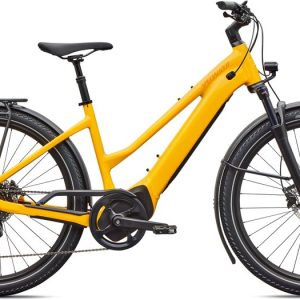 Specialized
 Turbo Vado 4.0 ST – 710 Wh – 27.5″ – Trapezeee – 2026
View DetailsSpecialized · 710 Wh · 27.5"2.799,00 £
Electric touring bikes combine pedal assistance with a practical setup for longer rides, everyday journeys and trips carrying luggage. They are designed to help you cover distance and manage hills or headwinds, while features such as a comfortable riding position, broad gear range and mounting points can make them more suitable for touring than a bike focused solely on speed or minimal weight. Equipment varies: some models come ready for regular use with mudguards, lights and a rack, while others leave you to choose or add accessories.
The right choice depends on where and how you ride. A route of quiet roads and cycle paths calls for different tyres and gearing from a tour that includes rough tracks or steep climbs. Consider how much luggage you expect to carry, how easy it is to handle the bike when it is loaded, and whether the motor and battery suit the length and terrain of your usual journeys. Frame shape, fit, braking and the availability of practical accessories matter just as much as the headline motor specification.
On SuperBike8 you can compare electric touring bikes and retailer offers in one place. Check that each offer refers to the same model year, frame style and specification before comparing prices: colour and size availability can differ, and previous-year models may be listed alongside newer versions. Once you choose an offer, you continue to the retailer. Ordering, payment, delivery, returns, warranty and customer service are handled directly by that retailer.
What makes an electric touring bike suitable for longer rides?
A touring e-bike is best judged as a complete system rather than by its motor alone. The frame needs to fit you and remain manageable with any luggage; the tyres and brakes need to suit the route and load; and the battery, gearing and assist settings need to match the terrain and distance you ride. A powerful-feeling assist mode cannot compensate for an uncomfortable fit, unsuitable gearing or a load that exceeds the bike’s stated limit.
Some electric touring bikes are equipped for practical use from the outset, but do not assume every model includes a rear rack, mudguards, lights or a kickstand. Check the product specification and images carefully, including whether accessories are fitted, supplied separately or simply shown for illustration. If you plan to use panniers, confirm that the rack is included and designed for the bike, then check its permitted load and the bike’s total system weight limit.
Touring, commuting and mixed-surface riding
For road touring and commuting, a stable riding position, predictable handling and reliable wet-weather equipment may matter more than a particularly aggressive riding posture. Mudguards help keep spray off you and the bike, while lights suitable for your journeys improve visibility. If the route includes unsealed paths, tyre width, tread and clearance become more important. Wider tyres can offer extra comfort and grip on suitable surfaces, but the exact fit depends on the frame and fork; do not assume you can replace the original tyres with any width you prefer.
Electric touring bikes can also be used for everyday errands, but compare the bike’s size and weight with where you will store it and how you will move it when the motor is off. A loaded e-bike can be cumbersome to lift onto a car carrier or up steps. If you often need to manoeuvre the bike in confined spaces, try to assess its handling and consider the position of the battery and other removable components.
Motor, battery and realistic range
Motor position and assistance behaviour influence how an e-bike feels. Many touring models use a mid-drive motor, which acts through the drivetrain and can feel natural as you pedal, particularly when changing assistance to suit the gradient. Hub motors are mounted in a wheel and have a different feel. Neither layout alone tells you whether a bike is right for your route: motor response, controls, gearing, total weight and how you ride all contribute to the experience.
Battery capacity is one factor in how far you can ride with assistance, but there is no single range figure that will apply to every journey. Distance varies with terrain, rider and luggage weight, wind, temperature, tyre pressure, chosen assist level, stops and the condition of the battery. Frequent steep climbs or sustained high assistance generally use more energy than flatter riding at a lower setting. Treat manufacturer range estimates as an indication under stated conditions, not a guaranteed distance.
Think about your typical ride rather than choosing solely for the largest battery available. A larger battery may be useful if you regularly ride longer routes, carry luggage or want more reserve, but it can add weight and cost. Check whether the battery is removable, how it is charged and whether the charger is included. If you cannot charge where the bike is stored, removable-battery convenience may make a practical difference. For longer tours, plan charging stops around your route and allow a margin rather than relying on assistance to last until the final kilometre.
Assistance modes let you balance support and energy use. A lower setting can be sufficient on level roads, while more support may help on climbs or when carrying a load. Learn how the controls work and whether you can change settings easily while riding. The motor assists your pedalling; it does not remove the need to select suitable gears or maintain a steady cadence.
Gearing, brakes and touring equipment
Touring routes often combine fast sections with steep gradients, so look at the usable gear range rather than the number of gears alone. Easier gears help you maintain a comfortable cadence uphill, especially with luggage. Closer gear steps can feel more consistent on flatter roads, but may offer less low gearing depending on the setup. The best range depends on your fitness, route and load, as well as how the motor delivers assistance.
Follow the drivetrain manufacturer’s guidance when changing gear under motor assistance. E-bike components may experience substantial loads, particularly during hard pedalling on a climb, and easing pressure on the pedals while shifting can help reduce strain. A chain drivetrain is familiar and straightforward to inspect, while some bikes use an internally geared hub or belt drive. These systems have different maintenance needs and may affect which gears or accessories are compatible. Confirm the specific configuration rather than assuming parts can be swapped freely.
Disc brakes are common on e-bikes and provide braking at the wheel hubs, but equipment varies by model. Check the brake specification and consider the bike’s intended load and terrain: regular descents and a touring load place greater demands on braking than short, flat journeys. Keep pads and rotors in good condition, and have the system checked if braking becomes noisy, weak or inconsistent.
Racks, mudguards, lights and a kickstand can make a touring bike much more useful, but fit and load limits are important. A rack must suit the frame and the luggage you intend to carry. Panniers should be attached securely and kept clear of the wheels, brakes and moving parts. A front rack or handlebar luggage may affect steering, so follow the bike and accessory makers’ fit instructions. When comparing offers, separate included equipment from optional extras.
| Feature | What to check | When it matters most |
|---|---|---|
| Battery | Capacity, charging arrangements, removability and replacement information | Longer routes, hilly rides or storage without a nearby charging point |
| Gearing | Lowest gear, overall range and drivetrain type | Steep climbs, touring with panniers and routes with varied gradients |
| Tyres | Width, tread, puncture protection and frame clearance | Rough paths, wet roads or a preference for comfort over a fast-rolling setup |
| Luggage capacity | Rack inclusion, rack limit and the bike’s total permitted load | Multi-day touring, shopping or carrying work essentials |
| Frame and fit | Size chart, reach, riding position and step-through or crossbar design | Comfort on longer rides, mounting the bike and handling it when loaded |
Frame shape, size and riding comfort
Electric touring bikes may have a traditional crossbar frame or a lower step-through design. A step-through frame can make mounting and dismounting easier, especially when you are carrying luggage or wearing everyday clothing. A crossbar may suit riders who prefer that frame layout. Frame shape does not determine fit by itself: compare the geometry and available sizes, and consider how the bike feels when you are seated, stopping and getting on or off.
Sizes are not standardised across manufacturers. A medium in one range can differ from a medium in another, so use the specific maker’s size chart rather than relying on a size label or the bike you currently own. Your height and inside leg measurement can help narrow the choice, while reach and stack describe important aspects of the distance to the handlebars and the height of the front end. If you are between sizes, the intended riding position and the manufacturer’s fit guidance can help you decide.
For longer days in the saddle, pay attention to hand position, saddle comfort and the relationship between the saddle and handlebars. A more upright position can feel relaxed and provide a clear view of the road, though it may expose you to more wind than a lower posture. A saddle that feels comfortable on a short test ride may not suit a full day, and small adjustments to saddle height or angle can matter. If possible, test the fit or seek advice from a qualified bike shop before settling on a size.
Electric touring bikes can be heavier than non-electric bikes, partly because of their motor and battery. This affects lifting and manoeuvring, as well as the effort required when assistance is switched off or the battery is depleted. Check the stated weight where available and consider your own storage, transport and handling needs, not just the riding experience.
E-bike rules for UK riding
For an ordinary electrically assisted pedal cycle used on public roads in Great Britain, the EAPC rules generally require working pedals, a motor with a maximum continuous rated power of 250W, and assistance that cuts out when the cycle reaches 15.5 mph (25 km/h) or when you stop pedalling. The rider must be at least 14. Rules and requirements can differ in Northern Ireland and for vehicles that do not meet the EAPC definition. Check current official guidance for where you intend to ride; this information is not legal advice.
Confirm that the specific model and its configuration are suitable for your intended use. Do not assume that a bike described generally as an e-bike has the same legal status as an EAPC. Changes to the motor or assistance system can affect compliance, so use the bike as supplied and follow the manufacturer’s instructions.
Comparing electric touring bike prices
Retailer offers can differ by size, colour, model year and included equipment. Compare the full model name and specification, not just a similar-looking product photo. A lower-priced offer may relate to a different frame style, battery configuration or component package, while a rack, mudguards or other accessories may be optional rather than included.
Previous-year models and older colourways can be worth considering if their fit and specification suit your needs. However, a familiar model name does not guarantee that every year has the same components. Check the listed details for the motor, battery, drivetrain, brakes and equipment, and confirm that the advertised size is available. Delivery costs can affect the total price, so review them with the retailer before deciding. Bikes may arrive partially assembled; check what assembly the retailer offers and what you will need to complete before riding.
On SuperBike8 you can compare available products and retailer offers, then continue to your chosen retailer. Payment, ordering, delivery, returns, warranty and after-sales service are handled by that retailer, not by SuperBike8. For other electric bike styles, you can also compare E-Bikes, E-City & Urban Bikes and Electric Road & Gravel Bikes.
Typical buying mistakes with electric touring bikes
- Choosing by battery capacity alone: range also depends on hills, assistance level, load, weather and riding style.
- Buying the wrong size: compare the manufacturer’s size chart and geometry rather than assuming sizes match across brands.
- Ignoring the loaded-bike limit: add your own weight, luggage and accessories, and check the stated system and rack limits.
- Assuming touring equipment is included: verify whether the rack, mudguards, lights and other pictured accessories are part of the offer.
- Overlooking the lowest gear: a bike that feels fine on a flat test ride may be difficult on steep climbs with panniers.
- Comparing different versions as if they were identical: check model year, frame type, battery, components, colour and size.
- Ignoring tyre suitability: consider your surfaces and confirm that any replacement tyre will fit the frame and fork.
- Forgetting handling and storage: motor and battery weight can make the bike harder to lift or manoeuvre when not riding.
- Assuming the bike is ready to ride straight away: check the retailer’s assembly arrangements and have safety-critical adjustments checked before your first trip.
Three typical buying decisions for Electric Touring Bikes
1. The regular commuter who also tours at weekends
Prioritise a comfortable fit, reliable everyday equipment and a battery suited to your normal commute with some reserve. Mudguards and lights may be more valuable than a particularly low weight, while a suitable rack makes it easier to carry work items or touring luggage. Check that the bike remains practical to store and manoeuvre at home or work.
2. The rider planning hilly trips with panniers
Look closely at the lowest gear, motor behaviour at climbing speeds, rack capacity and the bike’s permitted total load. Choose tyres that suit the route, and allow for greater battery use when climbing or riding with luggage. A larger battery can provide useful reserve, but does not remove the need to plan charging for longer journeys.
3. The rider wanting relaxed rides on roads and cycle paths
Focus on frame fit, a comfortable riding position, manageable handling and tyres suited to the surfaces you use most. A step-through frame may make getting on and off easier, while a crossbar layout may suit your preference. Compare the complete specification and included accessories, rather than paying extra for features you are unlikely to use.
Your checklist before you order
- Is this the correct electric touring bike model, model year and frame version?
- Does the manufacturer’s size chart indicate a suitable size for you?
- Have you considered reach, riding position and how easily you can mount the frame?
- Does the motor and assistance system suit your typical terrain and riding pace?
- Is the battery arrangement practical for your usual rides and charging location?
- Have you treated range estimates as conditional rather than guaranteed?
- Does the gear range include a low enough gear for your hills and luggage?
- Are the tyres appropriate for your surfaces, and is there suitable clearance?
- Are the rack, mudguards, lights and other accessories included in this offer?
- Will the rack and bike support the load you plan to carry?
- Have you checked the bike’s stated total load limit?
- Does the braking equipment suit the bike’s intended use and likely load?
- Are the colour and size actually available from the retailer?
- Have you compared like-for-like specifications, including battery and components?
- Have you checked delivery costs and the retailer’s assembly arrangements?
- Have you confirmed the retailer’s terms for ordering, returns, warranty and service?
Frequently asked questions about Electric Touring Bikes
What is an electric touring bike?
It is a pedal-assisted bike intended for practical longer rides and touring. Depending on the model, it may combine a touring-friendly riding position and gearing with a motor, battery and fittings such as rack mounts or mudguards. Equipment and intended surfaces vary, so check the individual specification.
How far can an electric touring bike go on one charge?
There is no fixed distance that applies to every rider. Range depends on battery capacity, terrain, rider and luggage weight, wind, temperature, tyre pressure, assist level and riding style. Use published estimates as a guide for the stated conditions, and plan with a reserve for your actual route.
Can I use an electric touring bike for commuting?
Many can suit commuting as well as longer rides, particularly if the specification matches your route and includes or supports practical equipment such as mudguards, lights and a rack. Check the bike’s size, weight, storage needs and included accessories before choosing.
Can I carry panniers on an electric touring bike?
Yes, if the bike has a compatible rack or suitable rack mounts and the rack and bike are rated for your intended load. Check the permitted weight, ensure panniers attach securely and keep them clear of the wheels and moving parts. Do not exceed the bike’s total load limit.
Are racks and mudguards included with electric touring bikes?
Not always. Equipment differs between models and retailer offers, so check the written specification for each listing. A rack or mudguard shown in a photograph may be optional or illustrative rather than included.
What should I check when choosing a size?
Use the manufacturer’s size chart for the specific model, since sizing and geometry vary between brands. Your height and inside leg measurement are useful starting points; reach and stack help describe how the bike may fit your upper body. If possible, check the fit in person or seek advice from a bike shop.
Are electric touring bikes legal to ride on UK roads?
In Great Britain, an EAPC that meets the applicable requirements can generally be ridden on public roads without the registration and driving licence requirements that apply to other motor vehicles. The rules include working pedals, a maximum continuous rated motor power of 250W and assistance cutting out at 15.5 mph (25 km/h) or when you stop pedalling; the rider must be at least 14. Requirements can differ in Northern Ireland and for bikes outside the EAPC definition. Check current official guidance for your location.
How do I compare electric touring bike offers on SuperBike8?
Compare the exact model, size, colour, model year, battery, components and included accessories, then consider delivery costs shown by the retailer. On SuperBike8 you compare products and retailer offers; when you select an offer, you continue to the retailer. Ordering, payment, delivery, returns, warranty and customer service are handled by that retailer.