Superbike8.co.uk – The ultimate bike search engine and price comparison site

Superbike8.co.uk – The ultimate bike search engine and price comparison site
Electric Road & Gravel Bikes
Showing all 3 results
-
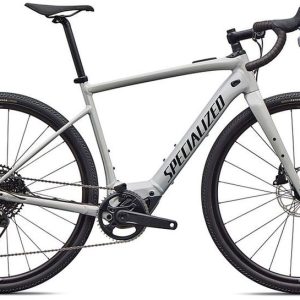 Specialized
 Turbo Creo SL E5 Comp – 320 Wh – 28″ – Diamond – 2026
View DetailsSpecialized · 320 Wh · 28"Price range: 3.499,00 £ through 3.999,00 £ -
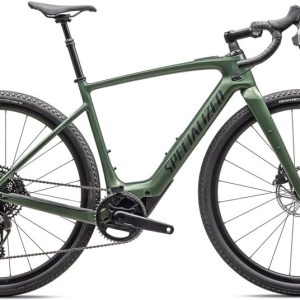 Specialized
 Turbo Creo SL Comp Carbon – 320 Wh – 28″ – Diamond
View DetailsSpecialized · 320 Wh · 28" · 14.6 kgPrice range: 4.245,00 £ through 4.899,00 £ -
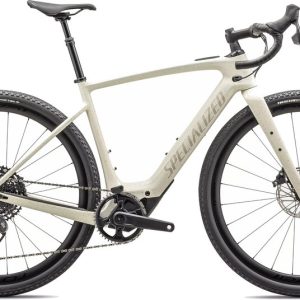 Specialized
 Turbo Creo SL Expert Carbon – 320 Wh – 28″ – Diamond
View DetailsSpecialized · 320 Wh · 28"6.399,00 £
Electric road and gravel bikes combine drop handlebars with pedal assistance, but they are designed for different kinds of riding. Road-focused models tend to prioritise efficient progress on tarmac, while gravel-oriented bikes usually allow for wider tyres and are built to handle a broader mix of road surfaces. Within either group, motor position, battery capacity, frame geometry, gearing and equipment can vary considerably.
The right choice depends on where you ride and what you expect the assistance to do. A light-feeling system may suit rolling roads and long rides where you want a helping hand without changing the character of a drop-bar bike too much. More substantial assistance can be useful on steep climbs or when carrying extra kit, but may come with additional weight or a different ride feel. Think about your usual routes, the surfaces you encounter and how much support you want before comparing individual specifications.
SuperBike8 is a price comparison site: you can compare available electric road and gravel bikes and retailer offers, then continue to the retailer for the offer you choose. Colours, sizes and model versions may appear at different prices, and availability can change. Ordering, payment, delivery, returns, warranty and customer service are handled directly by the respective retailer.
Road or gravel: choose for the surfaces you ride
An electric road bike is generally the more natural fit if most of your riding is on tarmac. Its geometry and component choices may favour a purposeful position and efficient riding on paved roads. Some models can accommodate wider tyres than a traditional road bike, but check the stated maximum clearance rather than assuming that a road-oriented frame will take gravel-sized tyres.
An electric gravel bike is worth considering if your routes regularly include rough lanes, gravel roads or other unpaved tracks where cycling is permitted. Wider tyres can improve comfort and grip on loose or uneven surfaces, while a more relaxed position may be preferable on longer mixed-surface rides. That versatility can have trade-offs: wider, more treaded tyres may feel slower on smooth roads, and the geometry or gearing may not suit someone who mainly wants a fast road ride.
Neither label tells the whole story. Some electric road bikes are intended for endurance riding rather than racing, and some electric gravel bikes are set up for quick rides on firm surfaces rather than heavily loaded touring. Look at the geometry, tyre clearance, gearing and supplied equipment of the specific model to understand what it is designed to do.
| What to compare | Road-focused electric bike | Gravel-focused electric bike |
|---|---|---|
| Typical surfaces | Primarily tarmac, including road climbs and longer paved rides | A mix of tarmac, gravel roads and suitable unpaved routes |
| Tyre considerations | Prioritise a suitable road tyre and confirm frame clearance before considering a wider option | Clearance for wider tyres can add comfort and grip on loose surfaces; check the maximum specified width |
| Position and handling | May favour a more road-oriented riding position and responsive handling | May favour stability and control across changing surfaces |
| Potential compromise | May be less suited to rough surfaces if tyre clearance and intended use are limited | A more versatile set-up may feel less focused on smooth-road speed |
Motor support, ride feel and control
Electric assistance can make climbs and headwinds more manageable, but the system’s behaviour matters as much as the headline motor specification. Consider how naturally assistance builds as you pedal, how easy it is to select a support level and whether the controls are straightforward to use from the riding position. If you can test a model, pay attention to how the assistance starts and stops, how the bike feels when support is low and whether the system suits your preferred cadence.
Motor location affects the feel of the bike. A motor at the bottom bracket can provide assistance through the drivetrain, while a hub motor applies assistance at a wheel. Systems differ, so do not assume that one arrangement is automatically best. Think about the type of riding you do, the way the bike responds on climbs and how the motor and battery are integrated into the frame.
Assistance levels give you a way to balance support and battery use. A higher setting can be useful for a steep climb or when you need more help, but using it frequently can reduce how far you can ride before recharging. A lower setting may be enough on flatter ground and can preserve charge. The real distance available depends on factors such as total system and rider weight, terrain, wind, temperature, tyre choice, riding style and selected support mode. Treat any quoted range as dependent on conditions rather than a guaranteed distance.
Check where the display and controls sit and what information they show. A clear display can help you see the selected assistance level and remaining battery information, but layouts and functions vary by system. Also check whether the battery is removable and how it is charged. A removable battery may be convenient if you cannot easily bring the whole bike to a charging point; an integrated battery can make for a clean frame design but may require you to charge the bike where it is stored.
Battery, weight and carrying the bike
The battery is a central part of an electric bike’s weight and packaging. A larger-capacity battery can be useful if your rides are long, hilly or regularly use stronger assistance, but it can add weight. If your rides are shorter or you are comfortable managing support levels, a less substantial battery may be adequate for your routine. Compare the actual battery specification of each model and consider your typical route rather than choosing by capacity alone.
Weight matters when you lift the bike onto a rack, carry it up steps, store it indoors or manoeuvre it without assistance. Electric road and gravel bikes can differ noticeably in total weight because of their frame, motor, battery and component choices. Check the manufacturer’s stated figure for the exact size and version where available; equipment and frame size can affect the quoted weight. Do not assume that a model described as light will have the same battery, motor or equipment as another version with a similar name.
Think about how you will transport and store the bike, too. Confirm that your bike rack is suitable for the bike’s weight and frame shape, and check whether the battery needs to be removed for transport according to the manufacturer’s instructions. If the bike will be stored in a shared or exposed area, consider how you will secure it and protect the electrical components from avoidable damage.
Frame geometry, size and riding position
A suitable size is essential for control and comfort, especially on longer rides. Frame-size labels such as S, M and L are not consistent across manufacturers, and even two bikes with the same nominal size can fit differently. Use the manufacturer’s size chart for the exact model and compare the recommended rider measurements rather than selecting a size by name alone.
Reach and stack are useful geometry measurements when comparing drop-bar bikes. Reach gives an indication of the horizontal distance from the bottom bracket area to the upper part of the head tube; stack describes its vertical height. Together with handlebar shape, stem length and saddle position, these dimensions influence how stretched or upright you feel. A longer reach may suit a rider seeking a more extended position, while a higher front end can help create a less demanding posture, but the right fit depends on your body proportions and flexibility.
Measure your inside leg if the manufacturer requests it, and check any sizing guidance for intended riding position. If you fall between sizes, do not assume that the smaller or larger frame is automatically right: compare the geometry and consider how the bike will be used. A local bike shop can help with sizing and adjustment. Saddle height, handlebar reach and lever position can often be adjusted within limits, but adjustments cannot make every frame fit every rider.
Also check whether the frame’s design and the bike’s overall weight suit your handling preferences. A stable feel can be reassuring on loose surfaces and longer rides; a more responsive feel may appeal on paved routes. Geometry is only one part of the ride, so consider it alongside tyre width, handlebar position and the bike’s intended terrain.
Tyres, wheels and clearance
Tyres are one of the most important choices for a bike that may encounter both tarmac and gravel. On smooth roads, a narrower or less aggressively treaded tyre may suit riders who prioritise a quick, direct feel. On loose or broken surfaces, a wider tyre can provide a larger contact area and allow a more comfortable ride, depending on tyre pressure and construction. More pronounced tread can help on some surfaces but may feel less efficient on smooth tarmac.
Frame and fork clearance set a limit on tyre size, and the manufacturer’s stated maximum is the safest reference. Allow for the fact that a tyre’s actual width can vary with its casing and rim. Do not assume that a tyre marked with a particular width will measure exactly that when fitted, or that a tyre which fits statically will provide enough clearance for the conditions in which you ride. Mud, wheel movement and frame design all matter.
Check the wheel and tyre specification of the exact version you are considering. If you plan to change tyres later, confirm compatibility before purchase rather than relying on appearance or a general description of the bike as gravel-ready. Wheel size, tyre clearance, brake arrangement and the intended use all need to work together.
Gearing, brakes and equipment
Gearing should suit both the terrain and the way you use motor support. A lower climbing gear can help on steep gradients, particularly if you ride without the highest assistance setting or carry extra kit. Closer gear steps can suit a rider who spends more time on flatter roads and wants to make smaller cadence changes. Compare the chainring and cassette ranges where the information is available, and consider the steepest climbs on your regular routes.
Electric assistance does not remove the need for appropriate braking. The bike’s brakes should be suitable for its intended use and overall weight, and you should be comfortable with the lever position and braking feel. Component specifications can change between model versions, so check the exact listing rather than relying on a general product-family description.
Look at the equipment included with the bike. Mudguards, lights, racks and other practical fittings are not universal, even on bikes intended for everyday use. If you want to use the bike for commuting or all-weather riding, check whether these items are supplied, whether the frame has mounting points and whether any additions are compatible. For gravel riding, confirm which accessories the frame is designed to accept instead of assuming that every bike has the same mounting options.
UK rules for electric pedal cycles
In Great Britain, an electric bike that meets the requirements for an electrically assisted pedal cycle (EAPC) is generally treated as a bicycle rather than a motor vehicle. The key requirements include usable pedals, a motor with a maximum continuous rated power of 250W and assistance that cuts out when the bike reaches 15.5 mph (25 km/h), or when the rider stops pedalling. Rules and classifications can depend on the specific vehicle and where it is used, so check current official guidance if you are unsure whether a particular model qualifies.
Do not rely only on a product’s appearance or the broad description “electric bike”. Check the specification and intended market of the exact version, especially if the motor’s output or assistance behaviour differs from the usual EAPC arrangement. This is general information, not legal advice.
Comparing prices and model versions
Retailer offers can differ for the same model, and individual colours or sizes may be discounted differently. Previous-year models can also be less expensive and may still be a good functional match for your needs. However, do not assume that two bikes with similar names are identical: frame details, motor systems, batteries, gearing and supplied equipment can change between model years or versions.
When comparing offers on SuperBike8, match the exact model, size, colour and specification before deciding which price is relevant. Check whether an offer is for the complete bike or a different configuration, and include any delivery costs when assessing the total. Bikes may be delivered partly assembled; check the retailer’s listing for details of what assembly is required and what it offers. Once you choose an offer, you continue to the retailer. The retailer handles ordering, payment, delivery, returns, warranty and customer service.
If you are also considering other styles, compare this category with E-Bikes, E-City & Urban Bikes and Electric Touring Bikes. The right category depends on your routes and equipment needs: a road or gravel bike’s drop-bar position and surface focus may suit a different kind of ride from an urban or touring set-up.
Typical buying mistakes with electric road and gravel bikes
- Choosing a road-focused model for regular rough-surface riding without checking tyre clearance and intended use.
- Assuming every gravel bike is suitable for heavily loaded touring or every road bike is designed for racing.
- Picking a frame size from an S, M or L label without checking the manufacturer’s model-specific chart and geometry.
- Comparing battery capacity without considering route length, elevation, assistance level and how you plan to recharge.
- Ignoring the bike’s weight when you need to carry, store or transport it.
- Assuming a larger battery or stronger assistance is always better, even if it adds weight you do not need.
- Overlooking whether mudguards, lights, racks or other practical equipment are included or compatible.
- Assuming a tyre will fit because its marked width is below the frame’s stated maximum, without considering actual tyre dimensions and clearance.
- Comparing similarly named model years without checking motor, battery and component differences.
- Forgetting to include delivery costs or check the retailer’s information about assembly.
Three typical buying decisions for Electric Road & Gravel Bikes
1. Mostly tarmac, with assistance for hills and headwinds
If your rides are predominantly on paved roads, begin with an electric road bike whose geometry and tyre set-up suit the position you want. Compare motor response, battery arrangement and gearing for the climbs you actually ride. Check the tyre clearance before deciding that the bike will also cover regular gravel routes; a road label alone does not guarantee the width or comfort you need.
2. Mixed routes with gravel lanes and imperfect surfaces
If your usual ride moves between tarmac and suitable unpaved roads, focus on an electric gravel bike with appropriate tyre clearance and a stable fit. Consider whether the supplied tyres match your surface mix or whether you would want a different tread. A versatile set-up may be less focused on smooth-road speed, so compare the compromises against how often you ride on rougher ground.
3. Longer rides where range and practical charging matter
If you plan longer or hillier rides, compare the battery and support modes alongside the bike’s weight and charging arrangements. Think about where you can recharge and whether a removable battery would make storage easier. Do not treat a quoted range as guaranteed: terrain, wind, rider and bike weight, temperature, tyres and assistance choices all affect real-world distance.
Your checklist before you order
- Confirm whether the bike is road-focused or gravel-focused and whether that matches your regular surfaces.
- Check the exact model year, model version, colour and frame size in the retailer’s offer.
- Use the manufacturer’s size chart and compare geometry measurements if you are between sizes.
- Consider reach, stack and riding position, not just the frame-size label.
- Check the motor system, assistance controls and support levels.
- Review battery capacity, charging method and whether the battery is removable.
- Consider the bike’s weight for lifting, storage and transport.
- Check the supplied tyres, their intended use and the frame’s stated tyre clearance.
- Compare the gearing with the climbs and riding pace you expect.
- Check the brake and component specification for the exact model version.
- Confirm whether mudguards, lights, racks or other wanted equipment are included or compatible.
- Check that any accessories you plan to fit are supported by the frame and fork.
- Review the retailer’s delivery costs and information about partial assembly.
- Compare like-for-like retailer offers, including the size, colour and equipment specification.
- Check current official guidance if you need to confirm whether the specific electric bike meets EAPC requirements.
Frequently asked questions about Electric Road & Gravel Bikes
What is the difference between an electric road bike and an electric gravel bike?
An electric road bike is generally intended primarily for paved roads, while an electric gravel bike is designed to handle a wider mix of tarmac and suitable unpaved surfaces. Geometry, tyre clearance and supplied tyres vary, so compare the exact model rather than relying on the category name alone.
How far can an electric road or gravel bike travel on one charge?
There is no single distance that applies to every bike and rider. Range depends on battery capacity, terrain, elevation, wind, temperature, total weight, tyres, riding style and assistance level. Use any manufacturer estimate as a guide and consider your own routes and charging options.
Can I ride an electric gravel bike on the road?
Many electric gravel bikes are designed for mixed riding, including paved roads, but the exact bike’s tyres and set-up affect how it feels. Check that the specific model meets the relevant rules for use on public roads in your location, and follow the manufacturer’s instructions.
What tyre width should I choose for an electric gravel bike?
Choose tyres according to the surfaces you ride and the frame’s permitted clearance. Wider tyres can offer more comfort and grip on rough or loose ground, while a less treaded option may suit rides with more tarmac. Check the manufacturer’s maximum tyre size and allow for differences in actual tyre width between models.
Are electric road and gravel bikes legal to ride in the UK?
In Great Britain, an electric bike that meets the requirements for an EAPC is generally treated as a bicycle rather than a motor vehicle. Requirements include usable pedals, a maximum continuous rated motor power of 250W and assistance that cuts out at 15.5 mph (25 km/h), or when pedalling stops. Check current official guidance for the exact bike and where you plan to ride; this is not legal advice.
How do I choose the right size?
Use the manufacturer’s size chart for the exact model and consider your measurements, reach, stack and preferred riding position. Size labels are not standardised across brands, so an M in one range may fit differently from an M in another. If you are unsure, ask a bike shop for help with sizing.
Can I compare previous-year electric bike models?
Yes. Previous-year models can be worth considering and may be offered at a different price, but specifications can change between years even when model names are similar. Compare the exact motor, battery, frame details, equipment, size and colour before choosing an offer.
Who handles delivery, returns and warranty?
SuperBike8 lets you compare products and retailer offers; it is not the seller. Once you choose an offer, you continue to the retailer. Ordering, payment, delivery, returns, warranty and customer service are handled directly by that retailer.