Superbike8.co.uk – The ultimate bike search engine and price comparison site

Superbike8.co.uk – The ultimate bike search engine and price comparison site
E-City & Urban Bikes
Showing the single result
-
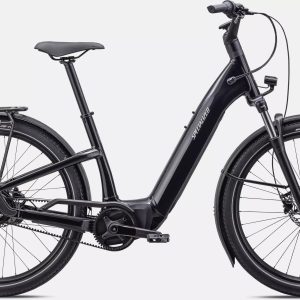 Specialized
 Turbo Como 3.0 IGH Cast Black / Silver Reflective 2022 – Unisex-27.5″ –
Price range: 1.799,00 £ through 3.000,00 £View Details
E-City & Urban Bikes are electric bikes designed around everyday journeys through towns and cities. They can make commuting, shopping and local errands easier, particularly when your route includes hills, frequent stops or a longer distance than you would comfortably cover on a conventional bike. The category includes different frame shapes and equipment levels, so the right choice depends on how and where you ride rather than on motor assistance alone.
Think about your route, how much you need to carry and where you will store the bike. A step-through frame can make getting on and off convenient when you are wearing everyday clothes or stopping often; a more conventional frame may suit riders who prefer that layout. Motor position, battery design, gears, brakes, tyres and included accessories all affect how a bike feels and works in daily use. A powerful-sounding specification does not automatically make a model the best fit for your commute.
SuperBike8 is a price comparison site, not a bike retailer. You can compare available E-City & Urban Bikes and retailer offers, then continue to the retailer for the offer you choose. Check that you are comparing the same model, frame style and specification, and take any delivery costs or assembly arrangements into account. Ordering, payment, delivery, returns, warranty and customer service are handled directly by the respective retailer.
What makes an electric city bike suitable for urban riding?
City riding often involves a mixture of cycle paths, roads, junctions, traffic and short stops. An urban e-bike is generally configured to make those journeys practical: the riding position is often relatively upright, and many models are designed to accept or include useful everyday equipment. The exact specification varies, so check each listing rather than assuming that every bike comes with mudguards, a kickstand, lights or a rack.
Assistance can make it easier to get moving again after a stop and to maintain a comfortable pace on a hilly route. It does not remove the need to pedal on a standard pedal-assist e-bike, and the feel of the assistance depends on the motor system and its settings. Consider whether you want help mainly on steep sections, throughout a longer ride or when carrying a load. The best choice is one that suits your normal trips without adding features or weight you do not need.
If you are comparing the wider electric-bike range, see E-Bikes. Riders prioritising road or mixed-surface performance can also compare Electric Road & Gravel Bikes, while a bike intended for longer rides and carrying touring equipment may be closer to an Electric Touring Bike.
Choose a frame and riding position for your journeys
Frame shape affects how easy the bike is to mount, how it feels when you ride and how well it fits your body. Step-through designs have a lower section to cross, which can be useful if you stop frequently, have restricted mobility or want to get on and off without swinging a leg high over the saddle. They are not limited to one type of rider. A conventional frame may be the right option if you prefer its feel or layout.
Do not select a frame solely by its label or appearance. Geometry, frame size, handlebar position and saddle adjustment all contribute to fit. E-bike batteries and motors can make a bike heavier than a comparable non-electric model, so consider whether you will need to lift it over steps, carry it into a property or manoeuvre it in a narrow storage space. If possible, arrange a test ride through a retailer to assess handling, mounting and the position of the controls.
Manufacturers do not use identical sizing systems. A nominal frame size from one brand may not fit like the same size from another, and step-through frame options may be offered in a different size range from conventional frames. Consult the specific manufacturer’s size chart and compare its recommended rider height and, where provided, measurements such as reach and standover height. Rider height alone cannot capture every fit preference; if you are between sizes or have particular comfort needs, ask the retailer for guidance.
Motor position, assistance and ride feel
Electric city bikes may use a motor in the front hub, rear hub or around the cranks in a mid-drive arrangement. Each layout can feel different, and the motor position is only one part of the riding experience. Assistance settings, sensor response, gearing, total bike weight and the way you ride all matter. Check the specification for the actual system fitted to each model rather than comparing bikes by a broad motor description alone.
| Motor arrangement | What to consider | May suit |
|---|---|---|
| Front hub | The motor drives the front wheel. Consider how the bike feels when pulling away, on loose or wet surfaces, and when steering at low speed. | Riders who want a straightforward city-bike layout, subject to the model’s overall specification and ride feel. |
| Rear hub | Assistance comes through the rear wheel. Check how the motor, gears and rear-wheel removal requirements work together, particularly if puncture repairs matter to you. | Riders who prefer the feel of drive from the rear, provided the gearing and support arrangements suit their journeys. |
| Mid-drive | The motor is positioned around the cranks and works with the bike’s transmission. Appropriate gear use is important, especially when setting off or climbing. | Riders who want assistance integrated with the pedalling and gearing feel; compare the system and service requirements for the specific bike. |
Some systems respond to how quickly you pedal; others also measure how much force you apply. This can influence how immediate or natural the assistance feels, but system names and behaviour vary. If you can test ride, try starting from a standstill, changing assistance level and pedalling up a familiar incline. Check that the controls are easy to operate without taking your attention away from the road.
Gearing remains relevant on an e-bike. A suitable range helps you pedal comfortably when assistance is low or unavailable and gives you options for hills. Think about the route rather than simply choosing the highest number of gears. If the bike uses an internally geared hub, belt drive or another less common configuration, check its maintenance needs and how it suits your expected riding. Do not assume that every replacement part or repair will be interchangeable between different systems.
Battery, range and charging for daily use
There is no single range figure that applies to every rider or journey. The distance you can cover on a charge depends on factors including the battery and motor system, assistance setting, hills, stops, wind, temperature, tyre pressure, rider and luggage weight, and how much you pedal. Treat any quoted range as an estimate for a particular system and set of conditions, not a guaranteed distance for every trip.
Start with your typical journey and consider whether you can charge at home or at your destination. A larger battery may provide more capacity between charges, but can add weight and affect the bike’s price and handling. A removable battery can be convenient if you cannot bring the whole bike near a socket; check how it is removed, where it can be charged and whether the retailer’s listing specifies a charger. If the battery is integrated into the frame, consider your storage and charging arrangements before choosing.
For regular commuting, leave a sensible margin rather than planning every trip around the maximum advertised range. Frequent high-assistance use, stop-start traffic and hilly routes may use energy differently from steady riding on flatter roads. Follow the manufacturer’s instructions for charging, storage and care, and check what battery support or service arrangements apply through the retailer. Avoid assuming that batteries from different models or brands are compatible even if their external appearance is similar.
Brakes, tyres and practical equipment
Brakes should be easy to operate and provide predictable control in the conditions you ride in. Many city e-bikes use disc brakes, while other braking arrangements are also possible. Check the actual specification, including the brake type, and consider the regular wet-weather use common on UK roads. Braking performance depends on the whole system, its adjustment and maintenance, not just a component name.
Tyre width and tread affect comfort, rolling feel and grip. Wider tyres may offer more cushioning and can be useful on uneven streets, but the appropriate size depends on the frame and fork clearance. Do not assume that a tyre can be replaced with any wider option: check the manufacturer’s permitted tyre sizes and whether mudguards are fitted or planned. Keep tyres at a suitable pressure for the tyre, bike and load, following the manufacturer’s guidance.
For everyday use, check whether lights, mudguards, a rack, a kickstand and a lock are included or need to be bought separately. A rack can help with a bag or shopping, but confirm its stated load limit and compatibility with the intended panniers. Mudguards are valuable for wet commutes, yet their fit depends on the frame and tyre clearance. Lights may be battery-powered or connected to the bike’s electrical system; confirm what is supplied and how it is powered.
Think about where the bike will be parked. A built-in lock or removable battery may help with convenience, but neither should be treated as a complete substitute for a suitable security plan. Check the bike’s weight and dimensions against your storage space, lift or bike parking arrangements. If you need to carry the bike up stairs or place it on a car rack, confirm that the handling and weight are practical for you.
E-bike rules in Great Britain
In Great Britain, an electrically assisted pedal cycle can be used as a standard pedal cycle on public roads if it meets the relevant EAPC requirements. In general, the rider must be able to pedal, the motor’s maximum continuous rated power must not exceed 250W, and assistance must cut out when the bike reaches 15.5mph (25km/h). Riders must be at least 14. Throttle-only operation beyond assistance for walking may affect how a bike is legally classified. Rules can differ by jurisdiction and circumstances, so check current official guidance for where you intend to ride; this is general information, not legal advice.
Before choosing a model, check the product information clearly identifies its intended market and specification. Do not rely on a product title alone if its motor or control arrangement is unclear. If a bike does not meet the applicable EAPC requirements, different rules may apply to its use on public roads and other public places.
Price comparison: compare like with like
Retailers may list different prices for the same bike, and discounts can vary by colour, frame size or model year. When comparing offers on SuperBike8, make sure the product versions match: a similarly named bike may have different components, battery details or included accessories. Check whether the listing is for the complete bike or a separate item, and read the retailer’s product information for the exact configuration.
Previous-year models or older colourways can be worth considering if their specification meets your needs. However, a familiar model name does not guarantee that the parts or equipment are unchanged between model years. Compare the listed components and confirm details such as battery, motor, brakes, gearing and accessories. Delivery costs can also affect the total price, and e-bikes may be delivered partially assembled. Check the retailer’s delivery and assembly information before choosing an offer.
Typical buying mistakes with E-City & Urban Bikes
- Choosing by motor or battery headline alone: A headline figure does not tell you whether the position, feel, assistance settings and charging arrangements suit your route.
- Assuming a range estimate is guaranteed: Hills, frequent stops, high assistance and carrying luggage can change energy use. Allow a margin for your normal journey.
- Getting the frame size wrong: Brand sizing differs. Check the manufacturer’s size chart and consider reach, standover and riding position, not just rider height.
- Ignoring the weight: A bike that rides well may still be awkward to lift, store or manoeuvre through a narrow space. Check its stated weight and your storage needs.
- Overlooking what is included: Mudguards, lights, rack, kickstand and charger can vary by model or offer. Confirm the specification instead of assuming they are supplied.
- Planning a tyre change without checking clearance: Frame, fork and mudguard space limit the sizes that can be fitted safely.
- Comparing different model years as if they were identical: Check the actual component and battery specification, even when the model name is similar.
- Forgetting retailer terms and delivery: Delivery charges, assembly and after-sales arrangements are set by the retailer. Review the offer details before proceeding.
Three typical buying decisions for E-City & Urban Bikes
1. A step-through bike for frequent stops and easy mounting
If you ride short urban journeys, stop often or prefer not to lift your leg over a high top tube, a step-through frame may be the more convenient layout. Prioritise a comfortable fit, manageable weight and controls you can use easily. Check the frame size and handling in person if possible; the step-through design does not remove the need for the right fit.
2. A commuter bike for a hilly route and regular charging
For a commute with repeated climbs, compare the motor system and gearing as well as battery capacity. Think about how much assistance you need, whether you can charge at work and how much range margin you want. Mudguards and suitable lights can be important for year-round travel, so check whether they are included or add their cost and compatibility to your comparison.
3. A practical bike for shopping and carrying everyday items
If you expect to carry a work bag or shopping, check for a compatible rack or other carrying solution and its stated load limit. Consider the bike’s weight, stability when loaded and the route to your storage area. A bigger battery is not automatically necessary for short trips; choose capacity around your actual journeys and charging options.
Your checklist before you order
- Does the bike’s intended use match your commute, errands or local journeys?
- Have you checked the frame style, size chart and riding position?
- Will the bike fit your body, storage space and any steps or lift you need to manage?
- Have you checked the motor position, assistance behaviour and gearing?
- Is the battery capacity suitable for your usual trip with a realistic range margin?
- Can you charge the battery conveniently, and is the charger included?
- Are the brakes and tyres suitable for your regular routes and typical weather?
- Are the tyre sizes and mudguard clearance suitable for the setup you want?
- Are lights, mudguards, rack and kickstand included, or do you need to budget for them?
- If you plan to carry luggage, is the rack compatible and is its load limit appropriate?
- Have you checked the complete specification and model year, rather than relying on the model name?
- Are you comparing the same frame style, size, colour and component version across offers?
- Have you checked delivery costs and the retailer’s assembly information?
- Have you reviewed the retailer’s arrangements for ordering, returns, warranty and service?
Frequently asked questions about E-City & Urban Bikes
What is an E-City & Urban Bike?
It is an electric bike intended mainly for everyday riding in towns and cities, such as commuting and local errands. Frame shape, motor system and included equipment vary between models, so compare the individual specifications.
How far can an electric city bike travel on one charge?
There is no universal distance. Range depends on the particular battery and motor system, assistance level, terrain, weather, stops, rider and luggage weight, and how much you pedal. Use manufacturer information as an estimate and allow a margin for your regular route.
Is a step-through frame better for city riding?
It can make mounting and getting off easier, particularly when stopping often or wearing everyday clothes. It is not automatically the right choice for everyone: compare frame size, riding position, handling and your own comfort.
Are E-City & Urban Bikes legal to ride on public roads in the UK?
In Great Britain, a pedal-assist bike that meets the relevant EAPC requirements can generally be used as a standard pedal cycle. Requirements include a maximum continuous rated motor power of 250W, assistance cutting out at 15.5mph (25km/h), and a minimum rider age of 14. Check current official guidance for your location and the specific bike, as rules and classifications can depend on the details.
Do E-City & Urban Bikes come with lights and mudguards?
Some models include them and others do not. Check the exact product specification and offer details. If you plan to fit your own mudguards, confirm that they are compatible with the frame and tyre size.
Can I compare different model years on SuperBike8?
You can compare available products and retailer offers, including older model years where listed. Check the specification carefully, because components, colours and equipment can change even when the model name is similar.
Who handles payment, delivery and returns?
SuperBike8 is a price comparison site. Once you choose an offer, you continue to the retailer, which handles ordering, payment, delivery, returns, warranty and customer service.