Superbike8.co.uk – The ultimate bike search engine and price comparison site

Superbike8.co.uk – The ultimate bike search engine and price comparison site
Cyclocross
Showing the single result
-
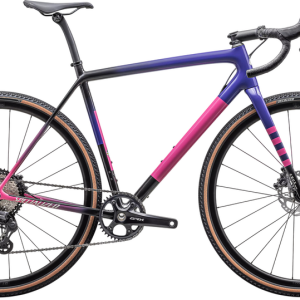 Specialized
 Crux Comp – 28″ – Diamond – 2026
View DetailsDiamond · 28" · 12-speedPrice range: 2.999,00 £ through 3.999,00 £
Cyclocross bikes are built for fast riding on short, demanding off-road courses, where grass, mud, gravel and tight corners can come in quick succession. They usually combine drop handlebars and an efficient pedalling position with knobbly tyres, strong braking and a frame designed to cope with rough ground. Some riders also use them for winter road rides or mixed-surface routes, although the best setup depends on where and how you ride.
When comparing cyclocross bikes, look beyond the label. Frame material and geometry affect handling and comfort; tyre clearance influences mud performance and the option to fit different tyres; and gearing and brakes shape how the bike behaves on steep, slippery sections. A race-focused model may have fewer fittings for racks and accessories than a bike intended for longer rides, so consider whether you need a dedicated competition bike or something more adaptable.
On SuperBike8 you can compare available cyclocross bikes and retailer offers. The comparison currently includes one listed product, and availability can change. Check the exact model, size, colour and specification shown by the retailer before you continue to them. Ordering, payment, delivery, returns, warranty and customer service are handled directly by the respective retailer.
What makes a cyclocross bike different?
A cyclocross bike is designed around the demands of cyclocross racing: repeated acceleration, sharp turns, short climbs and surfaces that can change from firm grass to deep mud. Its drop-bar position supports an efficient pace, while the tyres and frame are intended to provide control away from smooth tarmac. On a course, riders may need to dismount and carry the bike over barriers or steep sections, so a clear, manageable frame layout can be useful.
Compared with a typical road bike, a cyclocross bike is set up for rougher surfaces and generally has more suitable tyre clearance and off-road tread. Compared with a gravel bike, it is often more focused on responsive handling and racing than on long-distance comfort, luggage and broad accessory compatibility. These are general design tendencies, not guarantees: geometry, fittings and component choices vary between models.
If your riding will mainly be on maintained gravel tracks and longer mixed-surface routes, compare the options with Gravel Bikes and All-Road Bikes. For fast riding primarily on tarmac, Race Road Bikes and Endurance Road Bikes may be a closer match. The right category is the one that reflects your routes and priorities, not simply the bike’s name.
Cyclocross, gravel and cross bikes: choosing the right type
These categories overlap in appearance and intended surfaces, but differences in geometry, tyre setup and equipment can make one a better fit for your riding. Treat the table as a guide to common design priorities; check each bike’s actual specification, because manufacturers do not follow one universal formula.
| Bike type | Typical priority | Check before choosing |
|---|---|---|
| Cyclocross | Agile handling and efficient efforts on short, technical off-road courses. | Tyre and mud clearance, race position, gearing, brakes and whether the bike has the fittings you need. |
| Gravel | Versatile riding over longer distances on mixed surfaces, often with an emphasis on comfort and adaptability. | Tyre options, mounting points, riding position and the balance between road speed and rough-track control. |
| Cross bike | A broad category that can include practical or fitness-oriented bikes for varied surfaces. | Handlebar style, equipment, intended terrain and whether its design matches your use rather than relying on the category name. |
For everyday trips where upright control and practical equipment matter more than a drop-bar race position, you could also compare City Bikes or Cross Bikes. These categories are not interchangeable with cyclocross bikes, so compare the actual features rather than assuming a similar-sounding name means the same riding style.
Frame material, geometry and ride feel
Aluminium frames
Aluminium is common in performance and entry-level bikes because it can provide a relatively light, responsive frame at a range of price points. Frame design, tubing and fork construction all affect how a particular bike feels, so material alone does not tell you whether it will be comfortable or durable. If you expect to ride rough ground frequently, consider the complete bike, including its fork, wheels, tyres and contact points, rather than treating the frame material as the only measure of comfort.
Carbon frames
Carbon can be shaped to balance stiffness, weight and vibration control, but the result depends on the design and construction. It may suit riders who prioritise a responsive race bike, though a carbon frame is not automatically a better choice for every rider or route. Consider your budget, intended use and how you will look after the bike. Check the manufacturer’s guidance for inspection and care, and take care to use the correct clamping and torque procedures when fitting components.
Frame geometry matters just as much as material. A more responsive front end can help when negotiating tight turns, while a longer or more relaxed position may feel steadier over distance. Geometry charts can help you compare models, but figures such as reach and stack are not a complete substitute for trying a similar bike where possible. Handlebar width, stem length, saddle position and crank length also influence how a bike fits and handles.
Tyres, tread and mud clearance
Tyres have a direct effect on grip, rolling resistance and comfort. A pronounced tread can provide purchase on soft ground, while a smoother centre section may roll more easily on firm paths and tarmac. The best tread depends on your usual conditions: a very aggressive pattern may feel slow or noisy on road sections, while a fast-rolling tyre can offer less confidence in wet grass or loose mud.
Check the specified tyre size and the frame and fork clearance before planning a change. Clearance is not just about whether a tyre fits when the bike is clean: mud can build up around the frame and fork, particularly during winter riding. The usable space depends on the bike’s design, the tyre’s actual width and the conditions in which you ride. Do not assume that a bike will accept a wider tyre simply because another model in the same range does.
Tyre construction and pressure also affect the ride. Tubeless-compatible wheels and tyres can be useful for riders seeking to run lower pressures or reduce the chance of certain punctures, but compatibility must be confirmed for the complete setup and installation requires suitable components and sealant. Inner tubes remain a straightforward option. Whichever system you use, choose pressure with regard to rider weight, tyre width, surface and manufacturer guidance; too much pressure can reduce comfort and grip on rough ground.
Gearing for courses and mixed riding
Cyclocross courses often involve frequent changes of pace, short climbs and turns where you need to accelerate quickly. A wide gear range can help if your routes include steep gradients or you also use the bike for general riding. Closer gear steps can make it easier to maintain a preferred cadence on flatter, faster sections. The useful range depends on your fitness, terrain and whether you prioritise racing or all-round use.
Some bikes use a single chainring at the front, while others have more than one. A single-ring setup is mechanically simpler and avoids front shifting, which can be convenient in muddy conditions. Its available range and the gaps between gears may not suit every route, however. A multi-ring setup can offer a broader choice of ratios or smaller changes between gears, but adds another shift control and front derailleur to maintain. Compare the cassette and chainring sizes, not just the number of gears advertised.
Also consider how you will use the bike beyond a race course. A rider tackling long road sections or steep climbs may value a different range from someone riding short, flat circuits. If the bike will carry luggage, the extra load can make lower climbing gears more useful. Check that the listed components match the intended model version, since specifications can vary between years or retailers.
Brakes and control in wet conditions
Disc brakes are widely used on modern cyclocross bikes and can provide consistent braking in wet and muddy conditions. Mechanical disc brakes are operated by a cable; hydraulic systems use fluid and may offer a different lever feel and modulation. Hydraulic systems can require specialist servicing, while mechanical systems may be easier for some riders to adjust with familiar tools. Neither type removes the need to check pad wear, rotor condition and correct setup.
Older or particular models may use other brake designs, so inspect the product specification rather than assuming a system from the category name. If you are replacing wheels or planning future upgrades, check brake compatibility, including the mounting arrangement and rotor fit. A rotor that is too small or large for the frame and fork’s approved setup is not an appropriate substitution.
Braking technique matters as well as equipment. Mud, wet leaves and loose surfaces reduce grip, so leave more room to slow down and avoid sudden inputs when cornering. A well-maintained brake system cannot compensate for unsuitable tyres or riding beyond the available traction.
Fit, sizing and riding position
A good fit supports efficient pedalling and control, especially when the course requires frequent changes of position. Brands do not use identical sizing, so a labelled size such as medium or a particular frame measurement can correspond to different reach, stack and handling across manufacturers. Use the specific manufacturer’s size chart and geometry information for the exact model and model year.
Your height can be a useful starting point, but it is not the only measurement that matters. Inseam length helps assess standover and saddle-height range; reach and stack describe the frame’s horizontal and vertical proportions at the front. Arm and torso length, flexibility and riding style also influence whether the position feels suitable. A low, stretched position may suit a rider seeking an aggressive race fit, but can be uncomfortable or difficult to control if it is too demanding.
Do not assume you can correct a substantially wrong frame size by fitting a very short or long stem. That can alter steering and still leave the saddle and handlebars in unsuitable positions. Check the adjustment range of the seatpost and handlebar setup, and seek a professional bike fit if you are unsure or have recurring discomfort. The manufacturer’s size recommendations are a starting point, not a guarantee that one size will suit every body shape.
Race equipment, fittings and everyday use
A dedicated race bike may keep equipment and fittings minimal to reduce clutter and suit a competition setup. If you plan to ride through the British winter, useful practical details may include mudguard compatibility, bottle-cage mounts and space for lights or a small repair kit. Not every cyclocross frame has these fittings, and some mudguards may not work with the available tyre clearance. Check the frame and fork details before assuming you can add accessories later.
Drop handlebars provide several hand positions, which can help on longer rides and allow changes in posture. Their width and shape affect comfort and control, so check whether the supplied bars are appropriate for your shoulder width and riding position. Pedals may be supplied or may need to be chosen separately; check the retailer’s listing and ensure the pedals suit your shoes and intended use.
For racing, consider how easily you can maintain the bike between muddy sessions. Simple access to the drivetrain and brake components can make cleaning and routine checks more convenient. After wet or gritty rides, clean the chain and drivetrain as appropriate, dry the bike and lubricate the chain with a product suited to the conditions. Regularly inspect tyres, brake pads, cables or hydraulic components and wheel fixings according to the manufacturer’s instructions.
Comparing prices, specifications and model years
Retailer offers can differ, and colour or frame-size variants may be discounted differently. Compare the same model, model year, size and specification wherever possible. Two bikes with similar names may have different brakes, wheels, gearing or frame details, while a retailer may list a particular colour or component version separately. Read the full offer details before deciding that one price represents the same bike as another.
Previous-year models or older colourways can offer good value when their specification suits your needs. They may still be a sensible choice, but do not assume that a bike with a familiar model name is unchanged from one year to the next. Check the precise year and equipment, particularly if you care about tyre clearance, gearing, brake type or accessory fittings.
Look at the total cost presented by the retailer, including any delivery costs and any required assembly or adjustment. Bikes may arrive partially assembled, and the level of preparation offered can differ by retailer. Confirm what assembly is included and whether you are comfortable completing the remaining steps safely. On SuperBike8 you compare products and retailer offers; once you select an offer, you continue to the retailer, where ordering, payment, delivery and after-sales matters are handled.
Typical cyclocross bike buying mistakes
- Choosing by category name alone: check the geometry and equipment to make sure the bike suits racing, winter riding or your intended mixed-surface use.
- Buying the wrong frame size: use the exact manufacturer’s chart and compare reach and stack, rather than relying only on a size label or height estimate.
- Ignoring mud clearance: a tyre that fits in dry conditions may leave too little room for mud on a wet course.
- Focusing only on tyre tread: consider rolling speed, grip, tyre width, pressure and the surfaces you actually ride.
- Assuming a single chainring suits every route: check the total gear range and the gaps between ratios against your terrain and fitness.
- Overlooking brake compatibility: confirm the fitted brake type and check compatibility before buying replacement wheels, rotors or other parts.
- Expecting race-focused frames to accept every accessory: verify mounts and mudguard compatibility if you need a practical winter setup.
- Comparing different model versions as if they were identical: check model year, size, colour and component specification for each retailer offer.
- Assuming a bike is ready to ride straight from its box: confirm the retailer’s assembly arrangements and make sure final setup is completed safely.
Three typical buying decisions for Cyclocross bikes
1. A dedicated bike for local cyclocross racing
Prioritise a suitable race position, predictable handling, tyres appropriate to the courses and gearing that lets you accelerate and climb efficiently. Check how much mud clearance the frame and fork provide, and whether the brakes and drivetrain match your maintenance preferences. If you do not need racks or full-length mudguards, a minimal race setup may be appropriate, but confirm that the fit is comfortable enough to sustain repeated hard efforts.
2. One bike for winter training and mixed surfaces
Look for a versatile tyre setup and enough frame clearance for the wet conditions you expect. Mudguard mounts, bottle-cage fittings and a practical gear range may matter more than the lightest possible build. Check that the bike can accommodate the accessories you plan to use, and compare the riding position with an endurance road or gravel bike if most of your rides are longer than a typical race.
3. A first drop-bar bike for occasional off-road riding
Focus on a manageable fit, dependable components and tyres that suit the balance of road and off-road riding you expect. Avoid paying for a race-focused specification if its position or lack of practical fittings does not suit your everyday needs. Compare cyclocross bikes with gravel and cross bikes, then choose according to terrain, comfort and equipment rather than assuming one category is universally more capable.
Your checklist before you order
- Confirm that a cyclocross bike suits your main routes and riding style.
- Check the exact model year, frame size, colour and specification in the retailer’s offer.
- Use the manufacturer’s size chart and compare reach, stack and inseam guidance.
- Check tyre size, tread and frame-and-fork clearance, including room for mud.
- Make sure the gearing range suits your gradients, pace and intended use.
- Confirm the brake type and consider maintenance and replacement-part compatibility.
- Check whether wheels and tyres are tubeless-compatible if that matters to you.
- Verify that the frame has the mounts you need for bottles, mudguards or other accessories.
- Check that planned mudguards will fit alongside the intended tyres.
- Compare the actual components rather than relying on a similar model name.
- Include any delivery costs when assessing the retailer offer.
- Confirm how much assembly and adjustment the retailer provides.
- Check the retailer’s terms for ordering, returns, warranty and customer service.
- Make sure pedals, lights or other essentials are included or budgeted for separately.
Frequently asked questions about Cyclocross bikes
Can I use a cyclocross bike for gravel riding?
Yes, many cyclocross bikes can be ridden on gravel if their tyres, gearing and fit suit the route. They may be more race-focused than a gravel bike, so check comfort for longer rides, tyre clearance and whether the frame has the mounts you need for accessories or luggage.
What tyres should I choose for cyclocross?
Choose tread and width to suit the surfaces and conditions you expect. More open or pronounced tread can help on soft ground, while a faster-rolling pattern may suit firm courses and road sections. Check the bike’s stated clearance and allow for mud, rather than choosing only by the tyre’s advertised size.
Are cyclocross bikes comfortable for long rides?
They can be, but comfort depends on fit, geometry, tyres, pressure and contact points. Some models prioritise a responsive race position, which may feel demanding over long distances. If you regularly ride for several hours, compare the position and equipment with gravel and endurance road bikes as well.
Is a single-chainring cyclocross bike better?
Not for everyone. A single chainring simplifies front shifting and can be convenient in muddy conditions, but the available range and steps between gears may not suit your routes. Compare the chainring and cassette ratios with your terrain, rather than choosing by the number of chainrings alone.
How do I choose the right cyclocross bike size?
Use the size chart and geometry information for the exact manufacturer, model and year. Brands differ, and size labels are not standardised. Height and inseam can help narrow the options, while reach and stack give useful information about the frame’s proportions. If you are between sizes or unsure about fit, seek advice from a qualified bike fitter or bike shop.
Can I fit mudguards to a cyclocross bike?
It depends on the frame and fork. Some models have fittings for mudguards, while others are designed with a more race-focused setup. Even where fittings are present, tyre clearance and mudguard shape can limit compatibility. Check the manufacturer’s details for the exact bike and intended tyre size.
How should I compare cyclocross bike offers on SuperBike8?
Compare the same model year, size, colour and component specification, and check any delivery costs and assembly details shown by the retailer. SuperBike8 is a price comparison site: when you select an offer, you continue to the retailer, which handles ordering, payment, delivery, returns, warranty and service.