Superbike8.co.uk – The ultimate bike search engine and price comparison site

Superbike8.co.uk – The ultimate bike search engine and price comparison site
Cross Bikes
Showing all 2 results
-
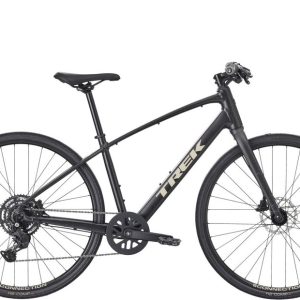 Trek
Trek FX 2 Stepover Gen 4 – 28″ – Diamond – 2026
View DetailsDiamond · 28" · 9-speedPrice range: 650,00 £ through 699,00 £ -
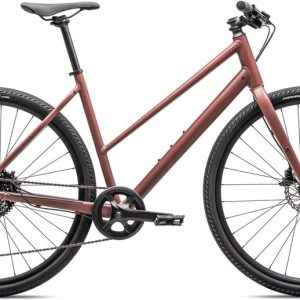 Specialized
 Sirrus X 2.0 ST – 28″ – Trapezeee
View DetailsTrapezee · 28" · 8-speed · 12.1 kgPrice range: 573,75 £ through 749,00 £
Cross bikes are versatile bicycles designed for a mix of tarmac, cycle paths and smoother unpaved routes. The term is not used identically by every manufacturer: it often describes a flat-bar bike with a practical, sporty riding position, but the exact frame, tyres, gearing and equipment vary by model. Check the product specification rather than relying on the category name alone.
For a typical cross-bike ride, comfort and control on varied surfaces matter alongside efficient progress on roads. Tyre width and tread, riding position, gear range and braking system all affect how a bike feels. Some models prioritise a lighter, faster ride, while others may be equipped for everyday journeys. Mudguards, a rack or lights should not be assumed unless the listing confirms them.
On SuperBike8 you can compare available cross bikes and retailer offers. Use the specifications to check that you are comparing the same model and equipment level, then choose an offer and continue to the retailer. Ordering, payment, delivery, returns, warranty and customer service are handled directly by that retailer.
What is a cross bike?
A cross bike generally sits between a road-oriented hybrid and a more robust trekking-style bicycle. Many have flat handlebars, which provide a familiar hand position and straightforward control, and wheels suited to efficient riding on roads and paths. Depending on the model, tyres may be relatively smooth for pavement or have a more pronounced tread for loose or damp surfaces.
The name can be confused with cyclocross. A cyclocross bike is usually a drop-bar bicycle built around the demands of cyclocross racing, whereas a cross bike is commonly aimed at general riding across mixed surfaces. The labels are not a guarantee of a particular specification, so compare the frame design, handlebar type, tyres and intended use. If you are comparing race-focused options, see Cyclocross.
Cross bikes also overlap with other categories. A City Bike may put more emphasis on everyday equipment and an upright position. A Gravel Bike typically has drop bars and is designed for longer rides on a wider range of unpaved routes. Cross-bike specifications vary, so consider the journeys you actually make rather than treating category boundaries as strict rules.
Choosing a cross bike for your riding
Roads, cycle paths and everyday journeys
If most of your riding is on tarmac, look for a tyre tread and gear setup suited to steady road speeds. A smoother tyre can roll efficiently on pavement, while a moderately wider tyre may offer more comfort on broken surfaces. A cross bike used for commuting may need practical additions such as mudguards, a rack or lights; check whether these are included, compatible accessories or absent from the listed build.
Think about where you will leave and secure the bike, how often you will ride in poor weather, and whether you need to carry a bag. A model that is ready for your daily routine can be more useful than one with a sportier specification but no provision for the accessories you rely on.
Gravel tracks and towpaths
For firm gravel, towpaths and maintained forest tracks, tyre volume and grip are important. Wider tyres can provide a more forgiving ride and a larger contact area, but the frame and fork must have suitable clearance. Check the maximum tyre size stated by the manufacturer if you plan to fit different tyres later. Clearance can be affected by mud, wheel size and the exact tyre casing, so do not assume that two tyres with the same nominal width will fit identically.
Loose, rutted or rocky trails may call for a bike with more substantial tyres and a different geometry. A cross bike should not automatically be treated as a mountain bike: consider the terrain, expected control and durability requirements. For more demanding off-road riding, compare the options in Mountain Bikes.
Longer rides and a sportier feel
A cross bike can suit fitness rides and mixed-surface outings where you prefer flat bars. Compare the reach to the bars, saddle position and gearing, as these affect comfort over time as well as handling. If you want a drop-bar bike for longer paved rides, an Endurance Road Bike may better match your preferred riding position. For more speed-focused road riding, consider the differences in Race Road Bikes.
Key specifications to compare
| Feature | What to check | Why it matters |
|---|---|---|
| Frame and fork | Frame material, geometry, fork type and accessory mounts | These influence fit, ride feel, weight and how easily you can adapt the bike for your journeys. |
| Tyres and clearance | Width, tread, intended surface and stated frame clearance | Tyres affect grip, comfort and rolling feel; clearance determines which replacements may fit. |
| Gearing | Number of chainrings, cassette range and gear steps | A wider range can help on steep climbs, while closer steps can be useful for maintaining a steady cadence on flatter roads. |
| Brakes | Brake type, rotor size where relevant, and replacement-part compatibility | The system affects braking feel and maintenance. Confirm exact parts and specifications for the model rather than assuming they match another version. |
| Equipment | Mudguards, rack, kickstand, lights and reflectors | Included equipment can save separate purchases, but accessories may also need to be bought and fitted separately. |
Frame material, fork and ride comfort
Aluminium is common on practical, sporty bikes because it can provide a relatively light and stiff frame at a range of price points. The ride is not determined by frame material alone: tyre choice and pressure, frame geometry, fork design and contact points all contribute to comfort. A well-chosen tyre can make a noticeable difference on rough tarmac or firm gravel, so consider the whole setup rather than focusing only on the frame.
Some cross bikes have a suspension fork, while others use a rigid fork. A suspension fork can reduce the impact of bumps on rougher paths, but it adds components that need maintenance and can use some of your effort when climbing or accelerating, depending on its design and setup. For mainly smooth roads and well-maintained paths, a rigid fork may be simpler and more direct. Choose suspension for the surfaces you regularly ride, not simply because it sounds more capable.
Handlebar shape also affects comfort. Flat bars offer a direct, familiar hand position, but provide fewer places to rest your hands than drop bars. Check whether the grips, brake levers and controls suit your hand size and preferred position. If you expect to ride for long periods, a test ride or professional fitting advice can help you assess reach and hand comfort.
Gears and braking for mixed terrain
Choose gearing around the steepest climbs and the speeds you expect to ride. A broad gear range can make hills more manageable, particularly if you carry luggage, but the size of the range is not the only consideration. The spacing between gears affects how easily you can find a comfortable cadence. Riders on mostly flat roads may prefer smoother steps; riders tackling varied terrain may prioritise a low climbing gear.
Cross bikes can use different gear arrangements. A single chainring at the front is straightforward to operate, while multiple chainrings can offer a wider range or different gear spacing depending on the cassette. Compare the actual range and intended use rather than judging by the number of gears alone. Also consider maintenance: drivetrain wear depends on use and care, and replacement components need to be compatible with the fitted system.
Rim and disc brakes are both found on bicycles, but do not assume a particular cross bike uses one or the other. Disc brakes can offer consistent braking in varied conditions when correctly maintained, while rim brakes have their own service requirements. If comparing versions, verify the brake type and any model-specific component differences in the retailer listing.
Fit and frame size
A suitable frame size helps you ride with control and comfort. The same labelled size can fit differently between manufacturers because geometry, frame shape and component choices vary. Use the maker's size chart for the exact model, and treat height guidance as a starting point rather than a guarantee.
Your inside-leg measurement can help assess saddle height, while reach and stack describe the frame's horizontal and vertical relationship to the handlebars. These measurements can be more informative when comparing different frame designs, but they do not replace checking the whole riding position. Saddle height, stem length, handlebar shape and adjustment range also affect fit.
Do not choose a smaller or larger frame solely to obtain a more upright or stretched position. A frame that is too small may feel cramped, while one that is too large can make steering and handling less comfortable. If you are between sizes, compare the manufacturer's guidance and consider your proportions, flexibility and intended riding style. For younger riders, check the dedicated Youth Bikes category as well as adult frame sizing.
Equipment, weather and maintenance
For year-round riding in the UK, mudguards can reduce spray on wet roads, but they need to be compatible with the frame, fork and tyre clearance. A rear rack is useful for panniers, although the frame must have appropriate mounting points or a compatible alternative must be used. Check the stated load limits for the bike and accessories if you plan to carry substantial luggage.
Regular cleaning and basic checks help keep a cross bike working well. Remove grit from the drivetrain, keep the chain lubricated appropriately for riding conditions, and check tyre condition, brake operation and fasteners. Wet and dirty conditions can accelerate wear on the chain, cassette and brake components. If a part needs replacing, confirm its size and interface with the manufacturer's information or a qualified bike shop; similar-looking components are not necessarily interchangeable.
Compare cross-bike offers carefully
Prices can differ between retailers, and discounts may vary by frame size, colour or model year. A previous-year version may be attractive if its specification suits you, but do not assume that bikes with similar names are identical. Compare the frame, fork, drivetrain, brakes, tyres and included equipment for the exact version.
On SuperBike8 you can compare available products and retailer offers before continuing to the retailer you choose. Check whether the displayed price includes delivery costs and whether the listed bike is the correct size and colour. Bikes may be delivered partially assembled, and the retailer's listing should explain what assembly is required or offered. Ordering, payment, delivery, returns, warranty and service are handled by the retailer, not SuperBike8.
If a listing describes a bundle or accessory package, confirm what is included. A bike with a rack or lights is not the same offer as a bike alone, and photographs may show accessories that are not part of the specification. Read the variant details before comparing prices.
Typical cross-bike buying mistakes
- Choosing by category name alone: cross-bike specifications differ, so verify handlebars, tyres, fork and intended use.
- Buying the wrong frame size: check the manufacturer's chart for the exact model and consider reach as well as nominal size.
- Overlooking tyre clearance: do not assume wider replacement tyres will fit just because they fit another bike.
- Expecting accessories to be included: confirm whether mudguards, a rack, lights and a kickstand appear in the specification.
- Choosing suspension for smooth routes without considering trade-offs: it may add maintenance and may not be necessary for your regular surfaces.
- Judging gears by the number alone: compare the usable range and gear steps with your terrain and riding pace.
- Confusing a cross bike with a cyclocross or gravel bike: compare handlebar style, frame design and intended riding before deciding.
- Comparing different model versions: similar names can have different components, colours or model-year specifications.
- Ignoring total cost and assembly: check delivery charges, included equipment and the retailer's information about bike preparation.
Three typical buying decisions for Cross Bikes
1. A cross bike mainly for commuting and errands
Prioritise a comfortable fit, dependable everyday gearing and compatibility with mudguards and a rack. If the listing does not include lights or other equipment you need, account for those separately and check that they can be fitted to the bike. A more elaborate off-road setup may add little value if your journeys are mostly on roads and cycle paths.
2. A cross bike for roads, towpaths and firm gravel
Look for tyres and clearance suited to the roughest regular route, along with a gear range that makes local climbs manageable. Wider or more grippy tyres can improve comfort and confidence on loose surfaces, but may feel less quick on smooth tarmac. Balance the surfaces you ride rather than selecting a specification for occasional terrain alone.
3. A sportier bike for longer fitness rides
Compare riding position, frame fit and the gear steps you will use at your usual pace. Flat bars may suit riders who prefer direct control, while a drop-bar endurance or gravel design may be a better match if you want several hand positions for longer rides. Choose based on comfort and route, not on the assumption that one category is automatically faster or more capable.
Your checklist before you order
- Confirm that the bike's intended use matches your roads, paths and off-road routes.
- Check the exact frame size against the manufacturer's chart for that model.
- Consider reach, stack and riding position as well as the size label.
- Verify the handlebar type and whether it suits your preferred hand position.
- Compare tyre width, tread and stated frame clearance.
- Check whether the fork is rigid or suspended and whether that suits your regular terrain.
- Compare the usable gear range and gear spacing, not just the number of gears.
- Confirm the brake type and exact specification of the version listed.
- Check whether mudguards, rack, lights and other pictured accessories are included.
- Verify compatibility and mounting options for accessories you plan to add.
- Compare model year, colour and component specification across offers.
- Make sure the listed size and colour are the variants you want.
- Check delivery costs and the retailer's information about assembly and preparation.
- Read the chosen retailer's terms for ordering, payment, delivery, returns and warranty.
Frequently asked questions about Cross Bikes
What is the difference between a cross bike and a cyclocross bike?
A cross bike commonly refers to a versatile flat-bar bicycle for roads and paths, although manufacturers use the term differently. A cyclocross bike is generally a drop-bar design associated with cyclocross racing. Check the individual bike's specification and intended use rather than relying on the name alone.
Can I ride a cross bike on gravel?
Many cross bikes are suitable for firm gravel and maintained paths, but capability depends on tyre tread, clearance, geometry and the surface. For rough, loose or technical trails, check whether the bike's design and equipment are appropriate before riding it there.
Do cross bikes come with mudguards and a rack?
Some models may include practical accessories, while others are supplied without them. Check the exact retailer listing and confirm whether the frame has suitable mounting points if you plan to add mudguards or a rack.
How do I choose the right cross-bike size?
Use the manufacturer's size chart for the exact model, since sizing and geometry vary between brands. Height can provide a starting point, while inside leg, reach and stack help assess fit. If you are between sizes or unsure, seek advice from a bike shop or arrange a suitable test ride where possible.
Are wider tyres better on a cross bike?
Wider tyres can offer more comfort and grip on rough or loose surfaces, but the best choice depends on your routes and the bike's clearance. Smoother, narrower tyres may suit riders who mainly use tarmac. Check the manufacturer's permitted tyre sizes before changing the fitted tyres.
Can I compare different model years on SuperBike8?
You can compare available products and retailer offers, including versions that may differ by model year. Check each listing's exact components, colour, size and included equipment: a similar model name does not mean the specifications are identical.