Superbike8.co.uk – The ultimate bike search engine and price comparison site

Superbike8.co.uk – The ultimate bike search engine and price comparison site
Hardtail Mountain Bikes
Showing the single result
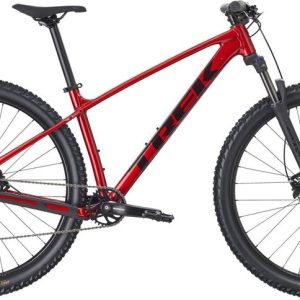
Hardtail mountain bikes have suspension at the front and a rigid rear triangle, rather than a rear shock and moving suspension linkage. This simpler layout can suit trail riding, forest tracks, bridleways and everyday off-road use. It also tends to make the bike easier to maintain than a full-suspension design, although the front fork still needs appropriate care.
The right hardtail depends on where and how you ride. A bike intended mainly for cross-country routes may prioritise efficient climbing and a relatively light build, while a trail-focused model may have geometry and components better suited to steeper, rougher terrain. Tyre clearance, fork design, brakes, gearing and frame fit all affect how a bike feels; the word “hardtail” alone does not tell you what a particular model can do.
On SuperBike8, you can compare available bikes and retailer offers. The comparison currently includes one product, so check its exact model name, size and specification rather than assuming there are multiple variants. Once you choose an offer, you continue to the retailer. Ordering, payment, delivery, returns, warranty and customer service are handled directly by that retailer.
Hardtails sit within the wider mountain bike category, itself part of the range of bikes. Use the advice below to judge whether a hardtail matches your routes and to compare the details that make a practical difference.
What makes a hardtail mountain bike different?
A hardtail normally combines a rigid frame at the rear with a suspension fork at the front. The fork helps absorb impacts from roots, stones and uneven ground, while the rear wheel follows the frame directly. There is no rear shock to adjust or suspension linkage to service, which can mean less complexity and fewer moving parts than on a full-suspension bike.
That simplicity does not mean every hardtail is basic or suitable for the same riding. Frame geometry, fork quality, tyres, brakes and component specification vary considerably. A well-matched hardtail can be an effective choice for riders who spend much of their time climbing, on smoother trails or on mixed routes, but rough descents place more of the comfort and control demands on your legs, arms, tyres and riding technique.
Compared with a full-suspension mountain bike, a hardtail will not have rear suspension to help the back wheel track over repeated bumps. It can feel direct when pedalling, but may be less forgiving over rough ground. Consider your usual terrain rather than buying solely on the basis of lower maintenance or a simpler frame.
Match the bike to your riding
| Typical riding | What to look for | Trade-off to consider |
|---|---|---|
| Cross-country routes, trails and longer rides | A comfortable, efficient fit; suitable gearing for climbs; tyres that balance grip and rolling ease | A fast-rolling set-up may offer less grip or cushioning on loose, rough sections |
| Forest tracks, bridleways and general off-road riding | Versatile tyres, dependable brakes and a fork suited to the surfaces you ride | A broad all-round specification may not be the lightest or most specialised option |
| Rougher trails and steeper descents | Stable handling, appropriate tyre grip, confident braking and a frame designed for trail use | A hardtail remains less forgiving at the rear than a full-suspension bike on repeated impacts |
| Mixed paths and occasional everyday journeys | A practical riding position and checks for fittings such as mudguard or rack mounts if you need them | Not every mountain bike has the mounts or accessories needed for regular commuting |
Think about the roughest terrain you ride regularly, not just the easiest route you might tackle once. If most of your riding is on firm paths, an aggressive trail set-up may be unnecessary. If you frequently ride rocky, root-covered descents, prioritise control and a suitable frame and fork over a specification focused only on low weight or fast rolling.
Frame, geometry and fit
Hardtail frames are commonly made from aluminium or carbon fibre, though the material alone does not determine comfort or capability. Aluminium is widely used and can provide a durable, practical frame at different price points. Carbon fibre can allow manufacturers to tune frame shapes and manage weight, but the overall design, components and intended use still matter. Compare complete bike specifications rather than treating one material as an automatic guarantee of a better ride.
Geometry affects how the bike climbs, turns and feels on descents. A more upright position may feel comfortable for steady riding and visibility, while a longer or lower cockpit can feel more purposeful on faster trails. Reach and stack are useful measurements when comparing frames: reach relates to the horizontal distance from the bottom bracket area to the head tube, while stack describes their vertical relationship. The figures need to be considered alongside handlebar, stem and saddle set-up.
Frame sizes are not standardised between manufacturers. A medium from one brand may not fit like a medium from another, and even bikes with the same wheel size can have different proportions. Check the manufacturer's size chart and, where available, compare the recommended rider height and geometry measurements with a bike that fits you well. Height alone may not settle the choice; inseam, arm length, flexibility and preferred riding position can also matter.
Do not choose a larger frame simply because you want a more stable bike, or a smaller one because you expect it to be easier to handle. A size that is too large can make the bike awkward to control and difficult to position; one that is too small may feel cramped. If you are between sizes, compare the manufacturer's guidance and the geometry figures, and ask the retailer about fit before proceeding.
Suspension fork and front-end control
The fork is a key part of a hardtail because it is the bike's only suspension unit. Its design, adjustment options and condition influence comfort, grip and control on uneven ground. A fork that is appropriate for smooth trails may not provide the same support or adjustment range as one intended for more demanding riding. Check the product description for the actual fork model and features rather than relying on a general claim that the bike has front suspension.
Some forks offer adjustments such as preload, rebound or a lockout, but equipment varies by model. A lockout can be useful when pedalling on smooth climbs or roads, though it is not a substitute for a fork matched to the terrain. More adjustments can help you tune the ride, but they also require you to understand and use them. If you want a straightforward bike, a simpler fork may be preferable to paying for features you are unlikely to set up.
Suspension forks need maintenance according to the manufacturer's instructions. Keep the exposed areas clean, avoid directing high-pressure water at seals and service the fork at the recommended intervals. If you ride frequently in wet or muddy conditions, regular cleaning and checks become particularly important.
Wheels, tyres and traction
Hardtails may be offered with different wheel sizes, including 27.5" and 29". These sizes can influence how the bike rolls over obstacles and how it feels to manoeuvre, but frame geometry, tyre choice and your fit are just as important. Do not assume that one wheel size is automatically right for every rider. Check the exact size listed for the model and make sure it suits your height, handling preferences and intended terrain.
Tyre width, tread and casing affect grip, rolling resistance and comfort. A more pronounced tread can be useful on loose or muddy ground, while a less aggressive pattern may roll more easily on hard-packed paths. Wider tyres can offer a larger contact area and allow lower pressures in some set-ups, but they need suitable frame and rim clearance. Never assume that you can fit a wider tyre later: check the manufacturer's stated clearance and consider whether mud or debris could reduce the available space.
Tyre pressure depends on factors including rider weight, tyre construction, rim compatibility and terrain. Too much pressure can make the bike skitter over rough ground; too little can increase the risk of impacts or damage. Use the tyre and rim manufacturers' guidance as a starting point and make adjustments carefully within their limits. Tubeless compatibility, if stated, does not necessarily mean the bike is supplied set up tubeless; check what is included.
Gearing and brakes
Gearing should suit both your fitness and your routes. A lower climbing gear can help on steep hills, while the overall range determines how well the bike covers both slow ascents and faster sections. Close gear steps can make it easier to find a comfortable cadence on flatter routes; a wider range may be more useful if your riding includes varied gradients. Count of gears on its own is not a reliable measure of suitability: check the chainring and cassette range where those details are provided.
Disc brakes are common on mountain bikes, but the brake model and rotor specification can differ. Hydraulic disc brakes use fluid to transmit force and can provide easily modulated braking; mechanical disc brakes are cable-operated and may be simpler to adjust in some situations. The actual performance depends on the complete system, set-up, pad and rotor condition, and riding conditions. If you ride steep or wet trails, consistent braking and appropriate maintenance matter more than a headline component name alone.
Check that replacement parts are available and that the specification is clear if you expect to maintain the bike yourself. Brake pads and drivetrain parts wear over time, especially with frequent riding in mud. Regular cleaning and timely replacement can help preserve performance and prevent worn components from damaging other parts.
Specification, durability and ongoing care
Compare the whole build, not just one component. The fork, wheels, tyres, brakes and drivetrain work together, and a strong part in one area does not make every other part equivalent. A more expensive component may be worthwhile if it addresses a need you have, such as a useful gear range or an adjustable fork. It may offer little practical benefit if it adds complexity or performance you will not use.
Mountain biking exposes parts to grit, water and impacts. After muddy rides, rinse gently, clean the drivetrain and dry the bike where practical. Lubricate the chain appropriately and remove excess lubricant so it does not collect dirt. Check tyres for cuts, brakes for wear, bolts for security and the wheels for damage. Follow the manufacturer's maintenance advice, particularly for the fork and brakes.
If you need to carry luggage or fit mudguards, lights or a kickstand, check for the relevant mounts and clearances. A hardtail mountain bike may not be supplied with these accessories, and not all frames are designed to accept them. Verify compatibility before buying separate parts rather than assuming standard fittings are present.
Compare like for like on SuperBike8
Retailers can list different prices for the same bike, and the available size or colour can affect which offers are relevant. Model names may also cover different specifications or model years, so compare the exact version, frame size, wheel size and component details shown in each listing. A previous-year colourway may cost less and still suit your needs, but do not assume that two bikes with a similar name have identical parts or geometry.
Consider the total cost shown by the retailer, including any delivery charges. Check whether the bike is supplied partially assembled and what assembly is required before riding; this can vary by retailer and model. If an offer description is unclear, confirm the specification and included items with the retailer before continuing. SuperBike8 helps you compare products and retailer offers, but the retailer handles the transaction and any subsequent delivery, returns, warranty or customer service.
Typical buying mistakes with hardtail mountain bikes
- Choosing by wheel size alone instead of checking the complete geometry and whether the frame fits.
- Assuming a hardtail is suitable for any trail because it has a suspension fork; rough descents can be demanding without rear suspension.
- Buying a bike for occasional extreme riding when most rides are on smooth paths, or choosing a light cross-country set-up for consistently rough terrain.
- Judging gearing by the number of speeds rather than checking whether the low gear is suitable for the climbs you ride.
- Overlooking tyre tread, width and clearance, then finding the bike does not suit the surfaces or future tyre changes you had in mind.
- Assuming tubeless-ready parts mean the bike arrives set up tubeless with sealant and all necessary components.
- Comparing similar model names without checking model year, fork, brakes, drivetrain, frame size and wheel specification.
- Forgetting to check for rack or mudguard fittings when the bike will also be used for practical journeys.
- Ignoring the retailer's assembly information, delivery charges or details of what is included with the bike.
Three typical buying decisions for Hardtail Mountain Bikes
1. Mostly smooth trails, bridleways and longer rides
Prioritise a comfortable fit, manageable climbing gears and tyres that roll efficiently on the surfaces you use most. A lighter or simpler specification may be appealing, but make sure the fork and brakes remain suitable for the roughest sections of your regular routes. You do not need an aggressive trail set-up if it brings a weight or rolling trade-off without a clear benefit for your riding.
2. Mixed off-road riding with occasional rough trails
Look for a balanced build with dependable brakes, tyres offering useful grip and a fork suited to varied ground. Check the frame geometry and tyre clearance rather than relying on a broad “mountain bike” label. This type of choice can work well for varied riding, but it will not provide the rear-wheel comfort of a full-suspension bike on sustained rough descents.
3. A hardtail that also needs to handle practical journeys
Check your riding position, the bike's suitability for the surfaces you cover and whether it has compatible mounts for any accessories you need. Mudguards, luggage and lights may not be included, and mounting options vary between frames. Confirm compatibility before comparing the bike's price with the cost of separate accessories.
Your checklist before you order
- Confirm that a hardtail is suitable for the terrain and riding you do most often.
- Check the exact model name, model year, colour and component specification.
- Use the manufacturer's size chart; do not assume sizes match between brands.
- Compare reach, stack and recommended rider height if those details are available.
- Confirm the wheel size and that the frame size is appropriate for you.
- Check the fork model and adjustment features against your riding needs.
- Review the gear range, especially the lowest gear for your steepest regular climbs.
- Check brake type and specification, and consider the conditions in which you ride.
- Review tyre width, tread, clearance and whether any tubeless equipment is actually included.
- Check for accessory mounts if you need mudguards, a rack or other fittings.
- Compare the same version of the bike across retailer offers, not just similar model names.
- Include any delivery charges when considering the total retailer offer.
- Read the retailer's information about assembly and what is supplied with the bike.
- Ask the retailer to clarify any uncertain specification or compatibility detail before proceeding.
Frequently asked questions about Hardtail Mountain Bikes
What is a hardtail mountain bike?
A hardtail has a rigid rear frame and suspension at the front, usually in the fork. It does not have a rear shock or rear suspension linkage, so it is mechanically simpler than a full-suspension bike but offers less cushioning at the back over rough ground.
Are hardtail mountain bikes suitable for beginners?
They can suit beginners who want to ride trails, bridleways and forest tracks, provided the bike fits and its specification matches the terrain. A hardtail's simpler rear end can make maintenance more straightforward, but it still needs regular care, and a front suspension fork is not designed to make every rough trail comfortable.
Is a hardtail or full-suspension mountain bike better?
Neither is best for every rider. A hardtail has no rear suspension to maintain and can suit smoother trails, climbing and mixed off-road rides. Full suspension can provide more rear-wheel movement and comfort on rough terrain, but adds components and maintenance. Base the decision on the trails you ride and the compromises you are willing to make.
Should I choose a 27.5" or 29" hardtail?
Both wheel sizes are used on mountain bikes, and the better choice depends on fit, geometry, handling preference and the particular model. Check the manufacturer's sizing information and the exact specification rather than choosing on wheel size alone. A suitable frame fit is more important than following a general rule about one wheel size.
How do I choose the right hardtail frame size?
Use the manufacturer's size chart for the exact model, as sizing and geometry differ between brands. Check recommended rider height alongside measurements such as reach and stack where available. If you are between sizes or unsure, ask the retailer about the bike's fit rather than assuming that the same letter size will fit across manufacturers.
Can I use a hardtail mountain bike for commuting?
A hardtail can be used for practical journeys, but check that the riding position, tyres and gearing suit your route. Verify whether the frame has the mounts and clearance needed for mudguards or a rack, as these are not present on every model. You may need to buy compatible accessories separately.
Does SuperBike8 sell or deliver hardtail mountain bikes?
No. SuperBike8 is a price comparison site where you can compare products and retailer offers. After choosing an offer, you continue to the retailer. Ordering, payment, delivery, returns, warranty and customer service are handled directly by that retailer.