Superbike8.co.uk – The ultimate bike search engine and price comparison site

Superbike8.co.uk – The ultimate bike search engine and price comparison site
Road Bikes
Showing the single result
-
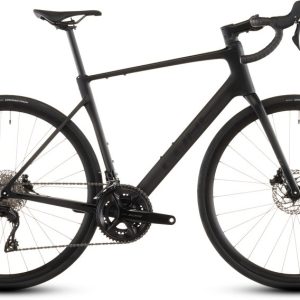 Cube
CubeCube Attain C:62 Race – 28″ – Diamond – 2026
View DetailsDiamond · 28" · 24-speed · 9.2 kgPrice range: 1.529,00 £ through 1.899,00 £
Road bikes are designed for paved roads, with a riding position and components suited to steady miles, fast rides and longer outings. Within the category, models can differ substantially: some prioritise a relaxed position and comfort over distance, while others are built around an aerodynamic shape or a more responsive feel for faster riding. Tyre clearance, gearing, brakes and frame geometry all influence how a bike behaves once the road surface or ride length changes.
The right choice depends on where and how you ride, as well as how the bike fits your body. A light, performance-focused set-up may appeal for quick club rides, but a more upright position and lower climbing gears can be more useful for long days, hilly routes or a first road bike. Think about your usual roads, the distances you expect to cover and whether you want to carry luggage or fit wider tyres before comparing individual specifications.
SuperBike8 is a price comparison site where you can compare available road bikes and retailer offers. Check that the model, size, colour and specification match before comparing prices: similar names can refer to different versions or model years. Once you choose an offer, you continue to the retailer. Ordering, payment, delivery, returns, warranty and customer service are handled directly by that retailer.
Road bike styles and how they differ
Road bikes are not all designed around the same kind of ride. Manufacturers use different frame shapes, riding positions and equipment to suit different priorities. The labels below are useful guides rather than strict standards; compare the geometry and specification of each particular model, as naming can vary between brands.
| Style or feature | Often suits | What to consider |
|---|---|---|
| Endurance-oriented | Long rides, sportive routes and riders who value a less stretched position | A taller front end and geometry intended for comfort can help on long outings, but the precise position still depends on frame size and set-up. |
| Race-oriented | Fast group riding, racing and riders who are comfortable in a lower position | A more performance-focused position may feel demanding if you lack the flexibility or experience to sustain it comfortably. |
| Aerodynamic design | Riders prioritising speed on exposed, relatively fast roads | Shaped tubes and integrated components can affect adjustment and replacement options. Check the actual fit and specification, not just the aero styling. |
| Road bike with wider tyre clearance | Riders who encounter rough tarmac or want extra comfort and grip on paved routes | Confirm the manufacturer's stated clearance and allow for the wheel and tyre combination. Clearance can be limited by the frame, fork or brakes. |
These descriptions do not guarantee that every model labelled endurance, race or aero will have the same handling or comfort. Frame geometry, wheelbase, front-end height, handlebar reach and your own position all contribute. If possible, use a test ride or a professional bike fit to check how a model feels before committing to a size.
Frame geometry and finding a comfortable fit
Correct fit matters as much as the frame material or component level. A bike that is too large can leave you over-stretched and make it harder to control; a frame that is too small may feel cramped and can require substantial changes to the saddle or handlebar position. Do not assume that the same size label means the same fit across manufacturers. One brand’s 54 cm frame, for example, may not fit like another brand’s 54 cm frame.
Start with the manufacturer’s size chart for the exact model and model year. Your height and inside-leg measurement can help narrow the options, but they do not describe your proportions fully. Reach (the horizontal distance through the frame to the front of the bike) and stack (the vertical height of the front end) help explain whether a frame is long or low compared with another. Torso length, arm length, flexibility and riding experience also affect what position will be comfortable.
Pay attention to the position you want to hold for the length of your usual rides. A low handlebar position may feel fast for a short effort but tiring after several hours. Conversely, a more upright set-up can provide comfort and confidence, although it may not suit someone seeking an aggressive racing position. Saddle height, saddle setback, stem length and handlebar reach can fine-tune a good frame fit, but they cannot reliably correct a frame that is fundamentally the wrong size.
Also check the size range offered for the particular model and whether the listed offer is for the size you need. Price and availability can differ by size and colour, so compare like for like rather than relying on a model name alone.
Frame materials: aluminium and carbon
Aluminium and carbon fibre are common frame materials for road bikes, but neither is automatically the better choice. Frame design, tube shapes, component specification, wheels and tyres all influence weight, comfort and handling. Consider the complete bike and your intended use rather than choosing by material name alone.
| Material | Practical considerations | Possible trade-offs |
|---|---|---|
| Aluminium | Can offer a robust, practical frame and may allow more of the budget to go towards components or wheels. | Ride comfort depends on the frame design and, importantly, the tyres and pressure. Aluminium frames are not all equally light or compliant. |
| Carbon fibre | Allows manufacturers to shape the frame in different ways and can be used to create a light, performance-focused bike. | The price and specification vary widely. Carbon needs appropriate care: avoid overtightening clamped components and follow the manufacturer's inspection and maintenance guidance. |
Ride comfort is not determined by the frame alone. Tyre width and pressure, wheel construction, saddle choice and handlebar tape can make a noticeable difference on imperfect UK roads. If you want a smoother ride, check the maximum tyre clearance and the tyres supplied as standard as well as the frame material.
Gearing for hills, flats and everyday rides
Road bike gearing affects how easily you can pedal up a climb and how closely you can adjust your effort on flatter roads. Look at both the chainrings at the front and the cassette sprockets at the rear. A smaller chainring paired with a larger rear sprocket gives an easier climbing gear; larger combinations are useful for higher speeds, provided your cadence and fitness allow you to use them.
If you ride hilly routes, carry extra kit or are new to road cycling, make sure the easiest gear is low enough for the climbs you expect to face. A wide-range cassette can make steep gradients more manageable, though the steps between gears may feel less closely spaced. Riders who mostly ride flat roads at a steady pace may prefer closer gear steps to make smaller cadence adjustments. The right balance depends on terrain and fitness, not on the number of gears alone.
Check the actual gearing specification rather than relying on phrases such as “race gearing” or “wide range”. Compare the chainring sizes and cassette range, and consider whether the bike’s gearing suits the steepest roads in your area. If you later change the cassette or chainrings, compatibility with the drivetrain and rear derailleur needs to be checked.
Brakes, wheels and tyres
Road bikes commonly use disc brakes or rim brakes. Disc brakes act on a rotor attached to the wheel, while rim brakes apply force to a braking track on the rim. Disc systems can offer consistent braking in wet conditions, but the exact performance depends on the components, set-up and maintenance. They also require compatible frame and fork mounts, wheels and rotors. Rim-brake bikes use a different wheel and frame arrangement, so these systems are not interchangeable without checking compatibility.
When comparing bikes, note the brake type and, for disc models, whether the system is hydraulic or mechanical. Hydraulic disc brakes use fluid to transfer lever force; mechanical systems use cables. Each has its own maintenance requirements, and you should consider whether local bike shops can support the system you choose. Check the specified rotor sizes and mounting arrangements before planning any replacement parts.
Wheels and tyres affect the feel of a road bike, but the wheelset specification is only one part of the decision. Tyre width, tyre quality and clearance can influence comfort, grip and puncture protection. Wider tyres, where the frame and wheels permit them, can be run at an appropriate pressure for a more comfortable ride on rougher tarmac. Do not assume that a tyre will fit simply because its nominal width seems suitable: actual width can vary between manufacturers and rims.
Road bikes are often supplied with slick or lightly treaded tyres intended for paved surfaces. If you expect to ride on unpaved tracks regularly, check whether the bike is designed for that use and has suitable clearance; a road bike should not be assumed to have the same capacity as a gravel bike. For winter riding, consider whether the frame has suitable clearance for the tyres you want and whether mudguards can be fitted. Mudguard compatibility and mounting points vary between models.
Components and specification: what deserves attention
A higher component level can bring lighter or more refined parts, but the best specification is the one that suits your riding and budget. Check the drivetrain, brakes, wheels and finishing kit as a complete package. If one bike has a more expensive groupset but a fit or gearing that does not suit you, that upgrade may not make it the better choice.
- Drivetrain: Compare the number of chainrings, cassette range and shifting system. Confirm the exact component names, as specifications can vary within a model family.
- Brakes: Identify disc or rim brakes and check the type of disc system where relevant. Consider the maintenance you are comfortable with.
- Wheels: Compare the supplied wheelset and tyre combination, not just the frame. Check whether the wheels suit the type of riding you intend to do.
- Contact points: Handlebar width, stem length, saddle and crank length can affect comfort and fit. Some parts may need adjustment or replacement to suit you.
- Mounts and practical details: Check for bottle-cage mounts, mudguard eyelets and any luggage provisions you need; their presence is model-specific.
Do not assume every photograph shows the exact specification offered. Product images may show a representative colour or build, while the description lists the components for sale. Confirm the model year, frame material, drivetrain, brakes, wheelset, size and colour with the retailer’s offer details before choosing it.
Model years, colours and comparing retailer offers
Road bike names can remain similar across different years even when the colour, components or frame details change. A previous-year model may be less expensive and still suit your needs, but do not assume it is identical to the current version. Compare the stated specification carefully, particularly the drivetrain, brakes, wheels, frame material and mounting options.
Colours and frame sizes may have different availability and pricing. When you compare offers on SuperBike8, make sure they refer to the same version and size. Also check whether the offer is for a complete bike and whether the listed components match the specification you expect. Retailers can set different prices, and delivery costs may affect the total price. Bikes may be delivered partly assembled; check the retailer’s information about preparation and assembly before ordering.
SuperBike8 helps you compare products and retailer offers, but it does not sell or dispatch bikes. After selecting an offer, you continue to the retailer, where you can confirm the final price, delivery details and terms. Ordering, payment, delivery, returns, warranty and service are handled by the retailer.
Typical buying mistakes when choosing a road bike
- Choosing a frame by size label alone: Sizes differ between manufacturers. Check the exact model’s geometry and sizing advice rather than assuming a familiar number or letter will fit.
- Buying for an imagined riding style: A low, aggressive position may be a poor match for long, relaxed rides. Be realistic about your flexibility, experience and typical ride length.
- Ignoring the easiest gear: A tall gear range can make steep climbs difficult. Check the chainrings and cassette against the hills and loads you expect to ride.
- Focusing only on the groupset: Fit, tyre clearance, brakes and wheels can matter more to your day-to-day experience than a higher component label.
- Assuming all road bikes take the same tyres: Frame, fork and brake clearance vary. Check the manufacturer's limit and the specific tyre and rim combination.
- Missing compatibility details: Brake type, wheel fit, rotor mounts and drivetrain parts must match if you plan upgrades or replacements.
- Comparing different versions as if they were identical: Similar model names can hide changes between sizes, colours or model years. Confirm the complete specification.
- Forgetting practical equipment: If you need mudguards or luggage mounts, check that the frame and fork provide the fittings you require.
- Looking only at the displayed price: Compare the retailer’s delivery costs and check what assembly is required or included in its offer.
Three typical buying decisions for Road Bikes
1. Choosing a road bike for long rides and sportives
If your priority is covering distance comfortably, focus on a position you can sustain, suitable climbing gears and tyre clearance that works for your roads. An endurance-oriented geometry may be a useful starting point, but compare the actual reach and stack figures and check the size guidance. Comfort also depends on tyre choice and pressure, saddle position and correct set-up.
2. Choosing a faster bike for group rides
If you regularly ride quickly with a group, a more performance-focused frame and gearing may suit you, provided the riding position is comfortable and controllable. Compare the fit, wheelset and drivetrain rather than choosing on aerodynamic styling alone. Make sure the gearing covers the climbs on your routes as well as the speeds you aim to ride on flatter sections.
3. Choosing a practical road bike for mixed weather
If you ride through the year, give clearance, tyre choice and braking set-up careful attention. Check whether the frame accepts the tyres and mudguards you want, and confirm that any mounting points are present on the exact model. A practical specification that suits wet roads and routine maintenance may matter more than saving a small amount of weight.
Your checklist before you order
- Is the bike intended for the riding you do most often?
- Have you checked the exact model and model year?
- Does the manufacturer’s size guidance match your measurements and preferred position?
- Have you considered reach and stack, not just the size label?
- Is the easiest gear low enough for your local climbs and fitness?
- Does the drivetrain specification match the offer you are comparing?
- Are the brake type and system clear?
- Does the tyre clearance suit the tyres you want to use?
- Can you fit mudguards or luggage if you need them?
- Are the wheelset, tyres and finishing kit appropriate for your riding?
- Do the colour and frame size in the offer match your requirements?
- Have you checked whether the listed specification differs from product images?
- Have you compared the same version when reviewing retailer offers?
- Have you checked delivery costs and the retailer’s assembly information?
- Are you aware that ordering, payment, delivery, returns and warranty are handled by the retailer?
Frequently asked questions about Road Bikes
What is the difference between an endurance and a race road bike?
Endurance models are generally designed around a position suited to longer rides, while race models tend to prioritise a more performance-focused position and handling. Names are not standardised, so compare the geometry and specification of the particular bike rather than relying on the label alone.
How do I choose the right road bike size?
Use the manufacturer's size chart for the exact model and consider your height, inside-leg measurement and preferred riding position. Frame sizing varies between brands, so check geometry such as reach and stack where available. If you are between sizes or unsure, seek advice from a knowledgeable bike shop or arrange a fit assessment.
Are disc brakes better than rim brakes on a road bike?
They are different systems rather than a universal better-or-worse choice. Disc brakes can provide consistent braking in wet conditions, while rim brakes use a simpler braking arrangement at the wheel rim. Consider the bike's specification, maintenance requirements and compatibility with replacement wheels and parts.
Can I fit wider tyres to a road bike?
Only if the frame, fork, brakes and wheels provide enough clearance. Check the manufacturer's stated maximum and confirm compatibility with the specific rim and tyre combination. Nominal tyre width does not always equal the measured width once fitted.
Is an aluminium or carbon road bike the better choice?
Neither material is automatically best. Aluminium can be a practical option, while carbon allows different frame shapes and can feature in lighter performance-focused builds. Compare the complete bike, fit, components and price, and follow the manufacturer's care guidance for the frame material.
Can I compare different model years on SuperBike8?
You can compare available products and retailer offers, but check each offer's model year and specification carefully. Similar model names may refer to bikes with different colours, components or details. Confirm the exact version with the retailer before choosing an offer.
Who handles payment, delivery and returns?
After selecting an offer on SuperBike8, you continue to the retailer. Ordering, payment, delivery, returns, cancellation rights, warranty and customer service are handled directly by that retailer.