Superbike8.co.uk – The ultimate bike search engine and price comparison site

Superbike8.co.uk – The ultimate bike search engine and price comparison site
City Bikes
Showing the single result
-
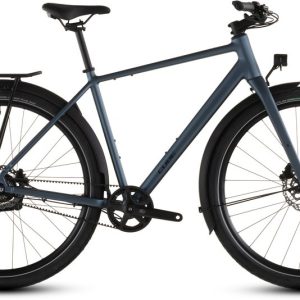 Cube
CubeCube Editor Pro FE – 29″ – Diamond – 2026
View DetailsDiamond · 29" · 8-speed · 16 kgPrice range: 1.199,00 £ through 1.299,00 £
City bikes are designed for everyday journeys on roads and cycle paths, from commuting and shopping to relaxed rides around town. Compared with bikes built primarily for racing or technical off-road riding, a city bike typically prioritises an upright, practical riding position and equipment that makes regular use more convenient. The exact specification varies: some models are simple and lightweight, while others arrive with mudguards, a luggage rack, lights, a kickstand or enclosed gearing.
The right choice depends on how you ride and what you need to carry. A short, mostly flat commute may suit a straightforward bike with low-maintenance components; regular hills, heavy bags or longer journeys can make gear range, braking performance and riding position more important. Frame shape matters too: a step-through frame can make frequent stops and mounting easier, while a traditional high top tube may suit riders who prefer that style of frame. Neither frame shape is automatically the right fit for everyone.
On SuperBike8 you can compare city bikes and retailer offers rather than buying directly from the comparison site. Use the specification to check that you are comparing the same model and version, then consider the full setup you will need for your routes. Once you have chosen an offer, you continue to the retailer; ordering, payment, delivery, returns, warranty and customer service are handled by that retailer.
What makes a city bike suitable for everyday riding?
City bikes cover a range of designs rather than one fixed specification. Many are made for paved streets, cycle paths and occasional poorer surfaces, with a position that gives you a clear view of traffic and surroundings. Some are supplied ready for practical errands, while others have a more minimal build that leaves you to choose accessories separately.
Think about your usual journey, not just the occasional ride. A bike used for a few miles on smooth roads has different priorities from one ridden daily through wet weather, parked outside shops and loaded with work equipment. For year-round commuting, full mudguards and dependable lights may be more useful than a small difference in component weight. If you regularly carry shopping, check whether a rack is included and whether it is suitable for the luggage you intend to use.
| Feature | Why it matters in town | What to check |
|---|---|---|
| Riding position | A more upright posture can make it easier to look around and may feel comfortable at everyday speeds. | Check reach to the handlebar, saddle adjustment and whether the posture suits your planned journey length. |
| Mudguards and lights | They can make regular riding in changeable weather more practical and help you be seen. | Confirm whether they are fitted, included separately or absent from the listed specification. |
| Luggage provision | A compatible rack or suitable mounting points can make carrying a bag easier than wearing it on your back. | Look for a rack included with the bike or check which fittings are provided for adding one. |
| Gearing and brakes | The appropriate range and braking setup depend on hills, load, weather and how often you stop. | Compare the actual gear system and brake type, rather than relying on a model name alone. |
Frame shape, fit and riding position
Step-through and traditional frames
A step-through frame has a lower section to step over, which can be convenient when you are mounting the bike in everyday clothes, stopping frequently or carrying a child seat or luggage. A traditional frame has a higher top tube. Frame design alone does not determine comfort, strength or suitability: compare the complete bike and make sure the frame size and riding position work for you.
Do not assume a step-through frame is only for one type of rider, or that a traditional frame is inherently faster. Consider how easy it is to get on and off, the space you have to store the bike and whether you can reach the controls comfortably. If you regularly ride with a loaded rack, check the manufacturer’s guidance on accessory compatibility and any stated load limits.
Choosing a size that feels controlled
Bike sizing is not fully standardised. A small, medium or large from one manufacturer may not match the same label from another, and frame geometry can make two bikes of the same nominal size feel different. Use the manufacturer’s size chart for the exact model and consider your height and inside leg measurement where requested. If you are between sizes, compare the geometry and seek a test ride or professional advice where possible.
Frame size is only part of fit. Reach describes how far forward you sit towards the bars, while stack relates to the height of the front end. A long reach can feel stretched in stop-start traffic; a very short reach can feel cramped. Saddle height should allow a comfortable pedalling position, but raising the saddle does not correct a frame that is fundamentally the wrong size. Check that the handlebar, brakes and gear controls are easy to reach without straining.
Gears for flat streets, hills and carrying loads
City bikes may use derailleur gears, hub gears or a single-speed setup. Each can make sense for a different rider. Derailleur systems offer a choice of gear ratios and are common across many types of bike, but the exposed chain and moving parts need routine cleaning and adjustment. Hub gears enclose much of the mechanism and can be convenient for frequent urban stops; the available ratios and operation depend on the specific system. A single-speed bike is mechanically simple, but its one gear may feel hard on hills or too easy when you want to ride faster.
Consider the steepest regular hill on your route, how much you carry and whether you want to pedal at a comfortable cadence across different speeds. A broad gear range can help on climbs with shopping or a work bag, while closely spaced gears can feel more consistent on flatter routes. More gears do not automatically mean a better bike: the range, maintenance requirements and controls matter more than the number printed in the specification.
Also check how the gearing works when you are stopped. Some hub gears can be changed while stationary, which may help if you have to stop unexpectedly in a high gear; derailleur gears generally need the pedals to turn to shift. Exact operation varies by system, so confirm the specification and instructions for the model you are considering.
Brakes, tyres and wet-weather equipment
Rim brakes and disc brakes are both found on bikes, but the right choice depends on the complete design and your riding conditions. Rim brakes act on the wheel rim, while disc brakes act at a rotor attached to the wheel. Disc systems can provide consistent braking in wet conditions, but their performance depends on the brake type, setup and maintenance. Do not assume that a particular brake label alone guarantees stopping performance; check the full specification and keep brakes correctly maintained.
Tyre width and tread affect comfort, rolling feel and grip. Wider tyres can provide more cushioning on rough tarmac and uneven cycle paths, provided the frame and fork have sufficient clearance. A smoother tread is generally suited to paved streets; a more pronounced tread may be useful on loose or muddy paths, though it can add rolling resistance on roads. Check the actual tyre width in millimetres and the clearance available if you expect to change tyres later. Do not rely on wheel size alone to confirm compatibility.
Mudguards are particularly useful if you ride in wet conditions or want to protect clothing from spray. Some bikes include full mudguards; others may have mounting points but require you to buy them separately. Lights can be battery-powered or, on some models, connected to a dynamo system. Check what is included, how the lights are powered and whether the arrangement suits both your commute and how you will store or secure the bike.
Frame materials, weight and day-to-day durability
Aluminium is common on city bikes because it can keep the frame relatively light and is not prone to rusting like untreated steel, although the finish and other components still need care. Steel frames are also used and can offer a durable, repairable construction, but the weight and ride feel depend on the particular frame design and tubing. Material alone does not tell you how comfortable, strong or long-lasting a bike will be: geometry, build quality, components and maintenance all play a part.
Weight matters most when you need to carry the bike up stairs, lift it onto storage or manoeuvre it frequently. On the road, a heavier bike can still be a sensible choice if it includes useful fittings and feels stable with your usual luggage. Conversely, a lighter bike may need extra spending on mudguards, a rack or lights before it is ready for your commute. Compare the complete setup rather than treating the lowest listed weight as the only measure of value.
Accessories, luggage and everyday security
Make a list of what you need before comparing offers. A fitted rack, mudguards, lights and kickstand can save the effort of sourcing accessories, but included equipment should still suit your needs. If you use panniers, check that the rack has compatible fittings and enough room for your bags. If you prefer a basket, confirm that it can be mounted safely and does not interfere with steering or the lights.
For commuting, consider where you will leave the bike and how you will secure it. A lock is often not included, so check the listed contents rather than assuming it comes with the bike. Think about where you will store the bike at home or work, whether you will need to carry it and how much maintenance you are prepared to do. Keeping the chain clean and lubricated, checking tyre pressure and inspecting brakes can help the bike remain dependable; follow the maker’s maintenance guidance for the specific components.
Conventional or electric city bike?
A conventional city bike may suit you if your routes are manageable under your own power and you want a simpler setup. An electric city bike can assist with pedalling and may be worth considering for longer commutes, steep routes or carrying heavier loads. Motor, battery, controls and total bike weight differ between models, so compare the particular specification rather than assuming every electric bike behaves the same way. Consider where you can store and charge it, and how you will manage its weight when manoeuvring or carrying it.
In the UK, an electrically assisted pedal cycle (EAPC) that meets the relevant requirements is treated differently from a motor vehicle for road use. The rules depend on the bike’s design and status, and requirements can change; check current official guidance before riding if you are unsure whether a particular model qualifies. Do not infer legal status from the word “electric” or from a listing title alone.
How to compare city bike prices and specifications
Retailers may list different prices for the same bike, and reductions can vary by frame size, colour or model year. When comparing offers on SuperBike8, confirm the exact model name, year, frame style, size and component specification. Similar names can refer to bikes with different brakes, gears or included accessories. A previous-year model or older colourway may be less expensive and still suit your needs, but check for changes to the frame, components and equipment rather than assuming it is identical to the current version.
Check whether the offer is for a complete bike and what is included. Accessories, such as a rack or lights, may appear in one version but not another. Delivery costs can affect the total price, and a bike may arrive partially assembled; check the retailer’s listing for what assembly is required or offered. The retailer is responsible for the transaction and for questions about stock, delivery, returns, warranty and after-sales service.
If you are comparing city bikes with other riding styles, the distinction is mainly about intended use and setup. For mixed paved and unpaved routes, you could also compare Cross Bikes or Gravel Bikes. For a broader view of the range, see Bikes. Choose by the surfaces and riding position you need, rather than by category name alone.
Typical city bike buying mistakes
- Choosing by frame label alone: sizes vary between manufacturers, so check the exact model’s size chart and geometry.
- Buying for an occasional ride rather than everyday use: if you commute in wet weather, missing mudguards or lights may become an immediate extra cost.
- Assuming a rack or accessories are included: verify the contents of the exact offer and check compatibility before buying add-ons.
- Picking too narrow a gear range: a bike that feels fine on flat roads may be uncomfortable on regular hills or with a loaded bag.
- Focusing only on the number of gears: the useful gear range and shifting system matter more than the headline count.
- Ignoring tyre clearance: replacement tyres must fit the wheels and have enough clearance from the frame and fork.
- Comparing different model versions as if they were identical: check year, frame style, size, brakes, gearing and equipment.
- Overlooking weight and storage: consider stairs, secure parking and how you will handle the bike off the road.
- Forgetting the full cost of the setup: delivery, a lock and any missing everyday accessories can affect the overall value.
Three typical buying decisions for City Bikes
1. A straightforward bike for short, flat journeys
If your rides are brief, mostly flat and do not involve carrying much, prioritise a comfortable fit, dependable brakes and a manageable maintenance routine. A simple gear setup may be sufficient, but make sure the chosen ratio will not make starts or modest inclines uncomfortable. Decide whether you need to add mudguards, lights or a lock, then compare the cost of the complete setup rather than the bare bike.
2. A year-round commuter carrying work or shopping
For regular trips with a bag, look for a suitable luggage solution, useful gear range and equipment that matches wet-weather riding. A rack and full mudguards can be practical, while appropriate lights matter if you ride when visibility is poor. Check frame size carefully and make sure the bike is stable and comfortable with the load you expect to carry. If accessories are not included, confirm that the frame has compatible mounting points.
3. A city bike for hilly routes or easier assisted riding
For regular climbs, compare the available gear range and braking setup, especially if you carry luggage. If you are considering an electric city bike to make hills or longer rides easier, compare the motor and battery specification, total weight, charging arrangements and the model’s legal status for UK use. Check current official EAPC guidance where relevant, and make sure you can store and handle the bike comfortably.
Your checklist before you order
- Does the bike suit your usual routes, surfaces and journey length?
- Have you checked the manufacturer’s size chart for the exact model?
- Does the frame shape make mounting and stopping comfortable for you?
- Can you reach the bars, brake levers and gear controls without stretching?
- Is the gear range appropriate for your hills and typical luggage?
- Have you confirmed the brake type and the specification of the exact version?
- Are the tyre width and tread appropriate for your roads and paths?
- Is there enough tyre clearance if you may want to fit wider tyres?
- Are mudguards, lights, a rack and a kickstand included or available separately?
- Will your panniers, basket or other luggage work with the bike’s fittings?
- Have you compared the model year, frame size, colour and components across offers?
- Is the listed offer for the complete bike rather than a frame or partial setup?
- Have you checked delivery costs and what assembly may be required?
- If electric, have you checked the motor, battery, total weight and relevant UK requirements?
- Have you reviewed the retailer’s information on delivery, returns, warranty and service?
Frequently asked questions about City Bikes
What is a city bike designed for?
A city bike is generally intended for everyday journeys on roads and cycle paths, such as commuting, shopping and local trips. Equipment, frame shape and gearing vary, so check that the particular model suits your route and luggage needs.
Are city bikes supplied with mudguards and lights?
Some are supplied with mudguards and lights, while others may have mounting points or require you to add them. Check the exact model specification and the contents of the retailer’s offer before comparing prices.
Is a step-through city bike a good choice?
A step-through frame can make mounting and getting off easier, particularly when you stop often or ride in everyday clothing. Choose based on fit, comfort, handling and the bike’s intended use rather than assuming one frame shape suits everyone.
How do I choose the right city bike size?
Use the manufacturer’s size chart for the exact model, as sizing and geometry differ between brands. Height and inside leg measurement can help identify a starting size, but reach, saddle position and how comfortably you can control the bike also matter.
Should I choose hub gears or derailleur gears?
Hub gears enclose much of the mechanism and can be convenient for stop-start riding, while derailleur gears offer a different range and shifting system with more exposed moving parts. Compare the range, maintenance needs and operation of the specific bike, especially if your route includes hills.
Can I use a city bike on gravel paths?
Many city bikes can handle suitable cycle paths and some firm, unpaved surfaces, but capability depends on the tyres, frame clearance, brakes and intended use. For frequent rough or loose routes, compare bikes designed for mixed terrain and check the specification rather than relying on the category name.
What should I check when comparing city bike offers?
Compare the exact model year, frame size and shape, gears, brakes, tyres and included accessories. Also check delivery costs and assembly information. SuperBike8 lets you compare products and retailer offers; the retailer handles the order and any questions about delivery, returns, warranty or service.