Superbike8.co.uk – The ultimate bike search engine and price comparison site

Superbike8.co.uk – The ultimate bike search engine and price comparison site
Accessories
Showing 97–108 of 177 results
Bike accessories cover practical additions that help you ride, navigate, carry essentials and tailor your bike to your needs. The right choice depends on how and where you ride: a commuter may prioritise dependable lights and a secure phone mount, while a touring rider may need a compatible rack, bottle cages and an easy-to-use pump. Even accessories that seem simple can differ in fit, mounting method and what is included.
Start with the job you need the accessory to do, then check whether it suits your bike and riding position. Handlebar diameter, frame mounting points, wheel and tyre clearance, brake and drivetrain layouts, and the space available around the cockpit can all affect compatibility. Where a product has size or fit options, check its specifications and the manufacturer’s guidance rather than relying on a general description.
SuperBike8 is a price comparison site, not a retailer. You can compare products and retailer offers, then continue to the retailer you choose. Prices may vary by model, colour or included fittings, and delivery costs can affect the overall cost. Ordering, payment, delivery, returns, warranty and customer service are handled directly by the respective retailer.
Explore bike accessory types
Different accessories solve different problems, so compare like with like. These categories can help you narrow your search:
- Bike bells for a clear, convenient way to alert other path and road users.
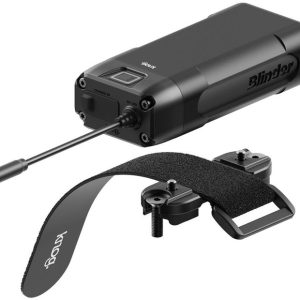
- Bike lights for visibility and seeing the route in low light. Check how and where each light mounts, as well as its intended use.
- Bike pumps for inflation at home or while riding. Consider the valve type and whether you want a compact pump or a larger workshop-style design.
- Bike racks for carrying luggage. Confirm that the rack and its mounting system suit your frame and intended load.
- Bottle cages to keep a bottle accessible. Frame space and bottle clearance matter, particularly on smaller frames.
- GPS & bike computers for displaying ride data or navigation. Compare the functions and mounting arrangements you will actually use.
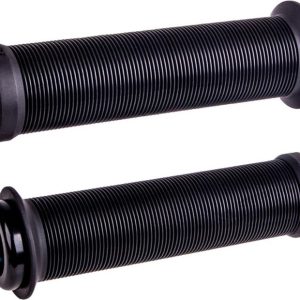
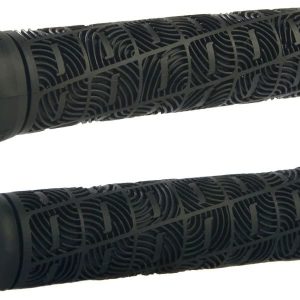
- Handlebar grips to change hand contact and comfort on compatible bars. Check the fitting style and dimensions for your handlebar.
- Pedals to suit your footwear, riding style and preferred connection to the bike.
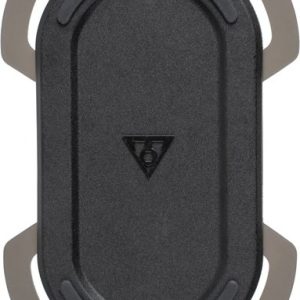
- Phone mounts for positioning a compatible phone on the bike. Check the attachment method, device fit and whether your case can be used with the mount.
| What you need | What to compare | Why it matters |
|---|---|---|
| Carry luggage | Rack attachment points, clearance, mounting hardware and stated load guidance | A rack must fit the frame and leave room for the wheel, tyre, brakes and any mudguards. |
| Keep essentials accessible | Bottle cage or phone mount dimensions, fixing method and available frame or bar space | The accessory needs to fit without obstructing controls, cables or other equipment. |
| Improve ride information or visibility | Functions, mount position, charging or power arrangement, and intended use | A feature-rich device is not necessarily the best choice if it is difficult to operate or mount on your bike. |
| Change contact points | Grip or pedal fit, interface and compatibility with your riding style | The wrong interface can make installation impossible or leave the bike uncomfortable to ride. |
Check compatibility before comparing features
Compatibility is often more important than choosing the most elaborate accessory. Before comparing prices, identify the part of the bike where the accessory will sit and check its measurements, fixing method and any stated requirements. Product names can sound similar while the attachment systems differ.
Mounting points and available space
For a rack or bottle cage, inspect the frame for suitable mounting points and check their position against the product’s installation information. Some bikes have limited space in the frame, particularly smaller sizes or frames with unusual shapes. A bottle cage can also compete for room with a frame bag. With racks, check clearance around the tyre, mudguards, brakes and any suspension components. If the frame does not have the required fittings, do not assume that a clamp-on solution will be suitable; confirm compatibility with the bike and rack manufacturer.
Handlebar accessories need room around the grips, brake levers, shifters and cables. A phone mount or computer should sit where you can view it without compromising control of the bike. Check the bar shape and diameter requirements in the product details. For grips, confirm the fitting style and the length available on your bars, especially if the bike has twist shifters or other controls that occupy part of the grip area.
Interfaces, sizes and replacement parts
Pedals have to match both your preferred riding setup and your footwear. Flat pedals and clip-in systems offer different ways of connecting your foot to the bike, and cleat systems are not automatically interchangeable. If you are replacing existing pedals, check the product’s fitting details and your bike’s requirements rather than relying on appearance alone. A pump must suit the valve fitted to your inner tube or tubeless setup; some pumps support more than one valve type, but this should be confirmed for the model you are considering.
Phone mounts and bottle cages also have size limits. Check the supported phone dimensions or bottle size and consider whether a protective case changes the fit. For any accessory that relies on a separate bracket, clamp, strap or adapter, check whether that part is supplied or needs to be bought separately. Product photographs may show fittings that are not included in every version.
Match accessories to your riding
Think about your regular journeys rather than buying for a feature you may rarely use. A daily commuter who rides through busy streets may value easy-to-reach controls and accessories that can be removed when the bike is parked. A rider exploring unfamiliar roads may place more importance on navigation and a secure computer mount. For longer rides, carrying capacity, bottle access and the ability to deal with a puncture can be more useful than reducing the weight of every component.
Conditions matter too. If you ride in wet or dirty weather, consider whether an accessory is easy to clean and whether its position leaves room for mudguards. Regularly removing a light or computer can make a quick-release mount convenient, but it should still hold the device securely during a ride. For a bike kept outdoors or used year-round, exposed fittings and moving parts may need more frequent inspection and cleaning.
For touring or carrying heavier items, follow the rack manufacturer’s stated guidance and consider how the load will be distributed. A rack that fits the frame may still be unsuitable for the luggage or use you have in mind. For shorter rides, a lighter or simpler setup may be preferable if it carries everything you need without adding unnecessary bulk.
Materials, comfort and day-to-day use
Materials affect weight, feel, durability and care, but the best option depends on how an accessory is used. Metal components can provide a firm, durable structure, while plastic or composite parts may reduce weight or offer more shape and colour options. Neither description alone guarantees suitability: the design, quality of the fittings and intended use matter as well. For parts subject to repeated knocks or weather exposure, check the manufacturer’s use guidance and inspect mounting points periodically.
For grips, surface texture, shape and diameter influence how the handlebar feels in your hands. Softer or more substantial grips may suit some riders on longer journeys, but comfort is personal and depends on hand position, gloves and bike setup. A grip that is too thick or too long can interfere with controls. If possible, compare dimensions and profile rather than choosing by material description alone.
Pedal shape and surface affect how your foot is supported and how securely it stays in place. Consider the shoes you already own and whether you want to be able to reposition your foot easily. Clip-in pedals require compatible cleats and footwear, while flat pedals are generally used with ordinary or cycling shoes. Check what is included with the pedals: cleats, reflectors or other fittings may vary by product.
Choose useful features, not just more features
For electronic accessories such as bike computers and GPS devices, compare the functions that fit your rides. Navigation, ride recording and data display may be useful for different reasons, but a larger feature list can bring extra setup, charging and menu complexity. Check how the device is controlled, what mount it uses and whether the display is practical for your position on the bike. If you rely on a phone for navigation, a mount that holds your particular device securely may be a simpler option, but it does not replace checking the phone’s fit and the mount’s instructions.
For lights, distinguish between being seen and lighting the route ahead. The best arrangement depends on where and when you ride, the mounting position and whether you need to remove the lights between journeys. Check how the light attaches to your bike and how it is powered, then follow the manufacturer’s information about its intended use. A light can be difficult to use in practice if its control is awkward to reach or its mount conflicts with other cockpit accessories.
For pumps, portability involves a trade-off. A compact pump takes less room on the bike but may require more effort to use than a larger floor pump. A pump kept at home can be easier for regular pressure checks, while a small pump is useful for roadside repairs. Compare the size and valve compatibility with the way you ride, and do not assume that a pump’s appearance alone indicates which valve it supports.
Compare retailer offers accurately
On SuperBike8 you can compare available products and retailer offers. The lowest displayed price is not always the most useful comparison if the offers are for different versions, colours, sizes or bundles. Read the product description and check whether required mounting hardware or other parts are included. A set and a single accessory can look similar in search results but are not equivalent purchases.
Retailers may discount colours or variants differently, and previous-year products can sometimes be less expensive. An older model may still suit your needs, but check its actual specification: a similar product name does not guarantee identical fittings, features or included accessories. Delivery costs can also change the overall comparison. Once you select an offer, you continue to the retailer, where you can confirm the final product details and terms.
For accessories that need installation, consider what the job involves before choosing. Some items attach with a straightforward bracket or strap, while others need tools or careful adjustment. Check the retailer’s product information for included fittings and installation guidance, and make sure you are comfortable with the work. Any order, payment, delivery, returns, warranty and service arrangements are dealt with by the retailer, not SuperBike8.
Typical buying mistakes with bike accessories
- Choosing by appearance without checking mounting points, measurements or interface compatibility.
- Assuming a rack will fit because it is described as a bike rack; checking tyre, mudguard, brake and frame clearance is essential.
- Buying a phone mount without checking the supported phone dimensions or whether it accommodates your case.
- Choosing a pump without confirming that it works with the valve on your bike.
- Confusing pedal systems or assuming your existing shoes and cleats will work with a different pedal type.
- Overlooking limited space around handlebars, shifters and brake levers when adding a computer, light or phone mount.
- Comparing a bundle with a single item, or overlooking whether essential brackets and fittings are included.
- Paying for features you are unlikely to use while overlooking ease of use, secure mounting or suitability for your regular rides.
- Assuming similar product names mean the same specification, particularly when comparing previous-year versions.
- Ignoring the cost of delivery when comparing retailer offers.
Three typical buying decisions for bike accessories
1. A practical setup for everyday commuting
For regular journeys, prioritise accessories that are simple to use and fit your bike without obstructing controls. Check the fit and mounting position of lights, decide whether a bell is easy to reach, and consider whether you need a rack to carry work or shopping. If you add a phone mount or computer, make sure there is enough room on the bars and that you can view the screen without changing your normal riding position.
2. A lightweight setup for road or leisure rides
If you carry only a few essentials, compare compact accessories that suit your existing equipment. Check that a pump fits your valve, that bottle cages fit the frame and your bottles, and that your preferred pedals work with your shoes. Choose computer or phone functions around the information you actually want on a ride; avoid adding mounts that crowd the cockpit or make controls harder to reach.
3. A carrying setup for touring and longer outings
When carrying more kit, first confirm that a rack is compatible with your frame and intended load, then check clearance with tyres, mudguards and brakes. Plan where bottles and other essentials will sit, and make sure the chosen accessories do not compete for the same space. Compare the full set of required fittings and accessories rather than choosing a rack or cage on price alone.
Your checklist before you order
- What specific riding need should the accessory meet?
- Does it suit your type of bike and the conditions in which you ride?
- Have you checked the measurements, interface and mounting method?
- For a rack, is there enough clearance around the frame, wheel, tyre, brakes and mudguards?
- For handlebar accessories, is there space around the grips, controls and cables?
- Does a pump support the valve fitted to your bike?
- Do pedals match your preferred footwear and any cleats you already use?
- Will a phone, bottle or other item fit the accessory, including any case or cover?
- Are required brackets, adapters, cleats or other fittings included?
- Are you comparing the same version, colour, size and bundle across offers?
- Have you checked the manufacturer's guidance where compatibility is unclear?
- Is the accessory straightforward to remove, clean or maintain for your intended use?
- Does the offer include the functions you need without unnecessary complexity?
- Have you taken delivery costs into account when comparing retailer offers?
- Have you checked the retailer’s product details and terms before continuing with an offer?
Frequently asked questions about bike accessories
How do I know whether an accessory will fit my bike?
Check the product’s measurements, interface and mounting requirements against your bike. Look for details such as frame mounting points, handlebar dimensions, valve type or pedal compatibility, depending on the accessory. If the information is unclear, consult the manufacturer or retailer before choosing an offer.
Are bike accessories sold with all the fittings shown in product pictures?
Not necessarily. Product images may show an accessory installed or used with other items. Check the product description to see which brackets, adapters, cleats or other fittings are included, and whether any additional parts are required.
Should I choose a phone mount or a bike computer?
It depends on how you ride and what information you want. A phone mount can use a device you already own, while a bike computer may offer a dedicated cycling display and functions that vary by model. Compare mounting compatibility, readability, controls and the features you will use rather than assuming one option suits every rider.
What should I check when buying a bike rack?
Check that the rack’s attachment system suits your frame and that it clears the tyre, mudguards, brakes and other parts of the bike. Consider the luggage you intend to carry and follow the manufacturer’s guidance on compatibility and load. A rack’s stated fit and intended use matter more than appearance alone.
Can I compare different versions of the same accessory?
Yes, but check the precise model, size, colour, fittings and included items. Products with similar names can differ in specification, so make sure the retailer offers are for equivalent versions before comparing prices. Delivery costs can also affect the overall cost.
Does SuperBike8 sell or deliver bike accessories?
No. SuperBike8 is a price comparison site where you can compare products and retailer offers. After choosing an offer, you continue to the retailer. Ordering, payment, delivery, returns, warranty and customer service are handled by that retailer.