Superbike8.co.uk – The ultimate bike search engine and price comparison site

Superbike8.co.uk – The ultimate bike search engine and price comparison site
Mini Pumps
Showing all 5 results
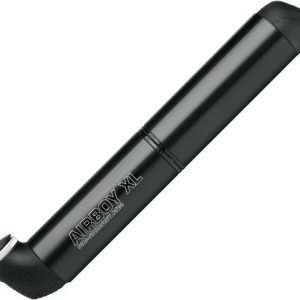
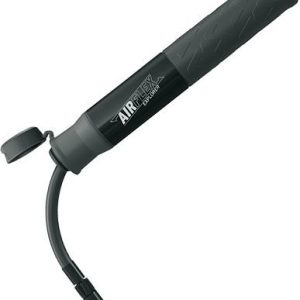
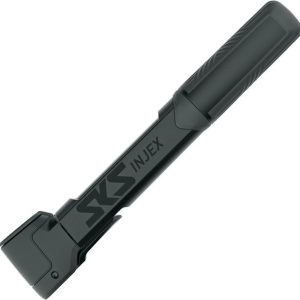
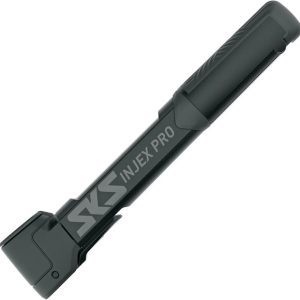
A mini pump is a compact hand pump you can carry on a ride to reinflate a tyre after a puncture or loss of pressure. Unlike a workshop floor pump, it is designed to fit in a jersey pocket, saddle bag or frame mount. That small size is convenient, but it usually means more strokes and effort to inflate a tyre than with a full-size pump.
The right choice depends on your bike and the kind of riding you do. Road riders often prioritise a pump that can reach the pressure their tyres require, while riders with wider gravel or mountain bike tyres may value greater air volume per stroke. Valve compatibility, pump length, handle shape, hose design and how securely the pump attaches to your bike can all affect whether it is useful when you need it.
On SuperBike8 you can compare mini pumps and retailer offers, then check each product’s specifications against your bike. Make sure you compare the same model and any included accessories. Once you choose an offer, you continue to the retailer; ordering, payment, delivery, returns, warranty and customer service are handled directly by that retailer.
What to look for in a mini bike pump
A portable pump has to balance compact dimensions with the ability to inflate your tyre effectively. A very short pump is easier to carry, but may require more strokes. A longer model can move more air with each stroke, though it may be less convenient to fit in a pocket or small saddle bag. Consider where you intend to carry it before focusing on weight or appearance.
Also check how the pump connects to the valve. Some pumps have a head that fits more than one valve type, while others use a reversible insert or require an adapter. Product descriptions vary, so confirm the stated compatibility rather than assuming a pump will fit every valve. If you use a removable adapter, check whether it is included and how you will keep it with the pump.
| Buying factor | Why it matters | What to check |
|---|---|---|
| Valve connection | An incompatible pump head cannot inflate your tyre without the right adapter. | Look for the valve types supported and whether an adapter is supplied. |
| Air volume and pressure | Different tyres need different amounts of air and may require different inflation pressure. | Match the pump’s stated capability to your tyre and riding use. |
| Size and carrying method | A pump is only useful on a ride if you can carry it securely and access it when needed. | Check its dimensions, included bracket and whether it fits your frame or bag. |
| Hose and handle | These influence ease of use and how much force is transferred to the valve. | See whether the hose is integrated or detachable and whether the handle is designed to grip comfortably. |
Pressure-focused pumps and high-volume pumps
Mini pumps are often designed with a bias towards either higher pressure or higher air volume. A pressure-focused design is intended to help with tyres that need relatively high inflation pressure, such as many road tyres. A high-volume design moves more air with each stroke and can be more practical for wider gravel or mountain bike tyres. These are useful general distinctions, not guarantees: check the individual pump’s stated capability and compare it with the requirements of your tyres.
High pressure and fast inflation are not the same thing. A pump may be capable of reaching a suitable pressure but take many strokes to get there. Conversely, a high-volume pump may add air quickly to a large tyre but not be the best match if your road tyres need a higher pressure. If you ride more than one type of bike, decide which one you are most likely to need to inflate away from home, or look for a pump whose specifications cover both uses.
Follow the tyre and bike manufacturers’ guidance when setting pressure. The appropriate pressure depends on factors such as tyre size, bike, rider and load, and whether the tyre is tubed or tubeless. The maximum pressure printed on a tyre should not be treated as a recommended target for every ride. A small gauge can help with repeatability, but it adds another feature to assess; check whether a pump includes one and whether it is suited to your needs.
Valve compatibility: Presta, Schrader and adapters
Before comparing pump dimensions or materials, identify the valves on your bike. Presta valves are common on road and performance bikes, while Schrader valves are familiar from many other types of bike. Some bikes use other valve types, including Dunlop-style valves. A pump may support more than one type, but this varies by model.
Read the product details for the exact connection method. A pump head may have separate openings, an adjustable head or a reversible internal component. Some designs need an adapter for certain valves. If your bike has removable valve cores or deep-section rims, check whether the pump head can be fitted and operated without awkwardly twisting the valve stem. A hose can make this easier by keeping the pump body away from the valve, although it is another part to handle and store.
When attaching a pump, follow its instructions and avoid levering the head sideways against the valve. That can bend or damage a valve, particularly when the pump is pushed directly onto it. If the connection feels loose or leaks air, stop and check the head setting or adapter rather than continuing to pump.
Choose a pump for your bike and riding
Road and sportive riding
For road riding and sportives, check that the pump is intended to reach the pressure your particular tyres require. A compact, pressure-oriented model may suit riders who value a small carrying size, but very short pumps can take considerable effort and repeated strokes. If you ride longer distances away from home, consider whether a slightly longer pump or a model with a hose is easier to use in a puncture repair.
Gravel riding
Gravel tyres are often wider than road tyres, so moving enough air efficiently can matter more than reaching a particularly high pressure. A higher-volume mini pump may be a practical match, especially if you ride on remote routes and need to reinflate after repairing a puncture. Consider the bike’s frame space and how the pump will be protected from mud and knocks if it is carried externally.
Mountain biking
For mountain bike tyres, compare the pump’s volume and handling rather than choosing by compactness alone. A secure grip and a stable connection are useful when inflating a larger tyre trailside. If you use tubeless tyres, remember that a mini pump is primarily an emergency inflation tool; it may not deliver the sudden airflow needed to seat a tyre bead. Check the tyre and rim maker’s guidance and do not assume a portable hand pump can replace a suitable tubeless inflation setup.
Commuting and everyday rides
For regular commuting, a pump that can stay attached to the bike is less likely to be forgotten than one kept loose in a drawer or bag. Check whether a frame bracket is included and whether it fits around your bottle cage or other accessories. If you carry the pump in a bag instead, consider its length and whether it could rub against or damage other items.
Mounting, size and materials
Many mini pumps can be carried in a pocket, saddle bag or frame-mounted bracket, but the available options depend on the product. A bracket may use space near bottle-cage mounts, so check how it will sit alongside bottles, a frame lock or bags. If you attach a pump to the frame, make sure it is held firmly and does not interfere with cables, suspension movement or other fittings. Keep the pump clean and check the bracket occasionally, particularly after riding rough or muddy routes.
Materials can affect the feel and construction of a pump, but they do not tell the whole story about durability. Aluminium components can provide a rigid feel without the pump needing to be large; plastic parts can help keep a design simple and light. The quality of the moving parts, seals, valve head and attachment also matters. Check the product description for the actual construction rather than assuming that a particular material makes every pump more reliable.
Handle design is worth considering if you expect to use the pump under pressure or with cold, wet hands. A T-shaped or fold-out handle may give you a more secure grip than a narrow body, but can affect how compact the pump is. If a hose is detachable or stored inside the pump, check how it is stowed so it is less likely to be lost between rides.
Mini pumps compared with other inflation options
A mini pump is reusable and does not depend on a cartridge, but inflation takes physical effort. A floor pump is generally more comfortable for routine home inflation because it has a longer handle and a stable base; it is not a practical substitute for something carried on every ride. An electric pump is another option for portable inflation, but its size, charging requirements and operation differ from a hand pump. You can compare the available Electric Bike Pumps separately.
CO₂ inflators are also used as compact emergency inflation equipment, but they work differently from hand pumps and require suitable cartridges. They are not a mini pump, and a cartridge is depleted when discharged. Riders who want an option they can use repeatedly without carrying replacement cartridges may prefer a hand pump. For other types of pump, see the wider Bike Pumps category, or browse Accessories.
Check your repair kit and practise at home
A pump is only one part of a roadside puncture repair. Depending on your setup, you may also need tyre levers, a suitable spare tube or a repair kit. Tubeless riders should carry the equipment appropriate to their tyre system. Confirm that these items fit in your saddle bag or pocket alongside the pump, and that you know how to use them before a long ride.
Test a new pump at home. Practise attaching it to your valve, check that the connection does not leak, and make sure the pump can be used with your bike’s rim and tyre. This is a good time to learn how the head is switched between valve types and whether any adapter needs to be kept separately. A pump that appears compatible on paper may be awkward to operate in a confined space or with a deep rim.
Typical mini pump buying mistakes
- Choosing by size alone: the shortest pump may be easy to carry but could require more strokes or effort than you are prepared to use.
- Assuming valve compatibility: check the valve on your bike and confirm that the pump supports it, including any adapter required.
- Mixing up pressure and volume: a pump suited to wide tyres may not be the best match for a road tyre that requires higher pressure, and vice versa.
- Ignoring the carrying method: check that a bracket is included if you need one and that it fits your frame without obstructing other equipment.
- Expecting a mini pump to seat a tubeless tyre: many hand pumps are intended for topping up or reinflating, not for seating a tyre bead.
- Comparing different versions as if they were identical: check the model name, valve head, hose, gauge and included mounting parts on each listing.
- Forgetting the repair equipment: a pump cannot repair a puncture on its own, so check that your tube or tubeless repair kit is suitable for your setup.
- Overlooking the total price: retailer delivery costs and whether an adapter or bracket is included can affect the overall value of an offer.
On SuperBike8, retailer offers can differ, and colours or versions may not be priced in the same way. Previous-year models or older colour options can sometimes be cheaper, but check the specifications rather than relying on the model name alone: pump heads, accessories or other details can vary. Compare like for like, including any delivery costs shown by the retailer. SuperBike8 is a price comparison site; after selecting an offer, you continue to that retailer for the purchase and any subsequent service.
Three typical buying decisions for Mini Pumps
1. A compact pump for road rides
You ride a road bike and want an emergency pump that fits in a jersey pocket. Prioritise confirmed compatibility with your valve and a pressure capability that suits your tyres. Then balance length against how much pumping effort you are willing to accept; a very small model may save space but take longer to use.
2. A higher-volume option for gravel or mountain biking
You ride wider tyres and want to restore useful pressure after a trailside repair. Compare pumps with an emphasis on air volume, grip and a stable valve connection. Check their intended use and do not assume a hand pump will provide the airflow needed to seat a tubeless tyre bead.
3. A pump that stays on your commuter bike
You want the pump available every day rather than relying on remembering to pack it. Check whether a bracket is included, how it attaches and whether the fitted pump clears your bottle cage, frame bag and cables. If the bracket does not suit your frame, compare the pump’s dimensions with the bag or pocket where you plan to carry it.
Your checklist before you order
- Identify the valve type fitted to your bike.
- Confirm that the pump supports that valve directly or includes the required adapter.
- Check the pump’s stated pressure capability against your tyre requirements.
- Consider whether your tyres call for a pressure-focused or higher-volume pump.
- Check the pump’s length and whether it will fit in your pocket, bag or planned frame position.
- Confirm whether a mounting bracket is included and how it attaches.
- Check for clearance around bottle cages, frame bags, cables and other fittings.
- Decide whether a hose or gauge is useful for your riding and whether it is included.
- Read how the pump head works if it has a reversible insert or separate valve settings.
- Check that the handle will be practical to grip and operate.
- Remember that a mini pump may not be suitable for seating a tubeless tyre bead.
- Make sure your puncture repair kit is suitable for your tyres and carried with the pump.
- Compare identical pump versions, including included adapters and mounting parts.
- Check the retailer’s offer details and any delivery costs before choosing an offer.
Frequently asked questions about Mini Pumps
Will one mini pump fit every bike valve?
No. Compatibility varies by pump. Check the valve on your bike and the pump’s stated support for that valve type. Some pumps use a reversible insert or need an adapter, which may or may not be included.
Should I choose a high-pressure or high-volume mini pump?
A pressure-focused pump is often a better match for tyres that require higher inflation pressure, while a high-volume design can be more practical for wider tyres. Check the pump’s specifications against your particular tyres rather than relying on the category label alone.
Can a mini pump inflate a tubeless tyre?
It may be suitable for adding air or reinflating a tubeless tyre after a repair, depending on the pump and tyre. Many mini pumps do not deliver the sudden airflow needed to seat a tyre bead, so check the manufacturer’s guidance and carry a suitable repair and inflation plan.
Is a longer mini pump better?
A longer pump can move more air per stroke, depending on its design, and may be easier to use. It can also be less convenient to carry. Compare the dimensions with your intended pocket, bag or frame mount and check that its capability suits your tyres.
Does a mini pump need a gauge?
A gauge can help you check pressure, but it is not essential for every rider and may add size or complexity. If you want one, confirm that it is included and consider whether it is practical to read on a compact pump. Follow your tyre and bike manufacturers’ pressure guidance.
Where should I carry a mini pump?
Common options include a jersey pocket, saddle bag or frame-mounted bracket. Choose a method that keeps the pump secure and accessible, and check that a bracket does not interfere with bottle cages, cables or other frame-mounted equipment.
How can I compare mini pump offers on SuperBike8?
Compare the exact model and version, including valve compatibility, pressure or volume information, hose, gauge and included bracket or adapter. Check retailer offer details and delivery costs too. When you choose an offer, you continue to the retailer, which handles ordering, payment, delivery, returns, warranty and service.